


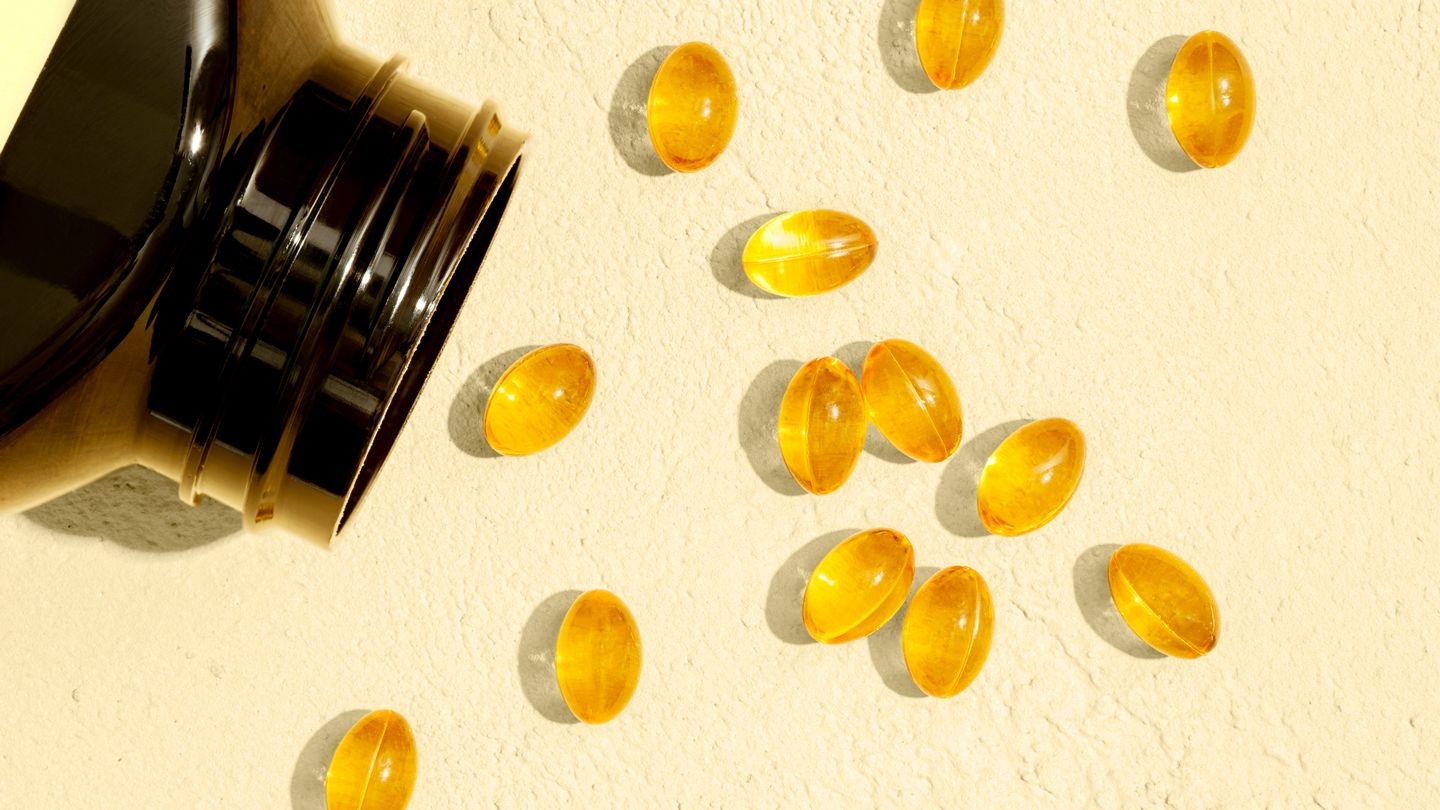
People call it the sunshine vitamin. Cute nickname. It suggests warmth, clarity, maybe a reason to smile. Maybe you even think popping a pill will fix a bad mood. The data isn’t that simple.
Some studies say yes. One review looked at 41 trials and found supplements helped reduce depression symptoms, but the certainty was low. Another review of 20 papers saw a moderate improvement compared to nothing at all. Not a cure. Just a bump.
“Vitamin D levels impact cognitive function… supplementation may help improve symptoms… in people who already have a deficit,” says Marisa Moore, a dietitian in Atlanta.
Note the wording. People who already have a deficit.
One in four adults in the US lacks enough vitamin D. It depends on where you live.
If you live north of San Francisco or Richmond, Va, your skin gets less sunlight. That’s physics. Add that to diet, and it’s tight. Fatty fish like salmon have it. Egg yolks. Mushrooms. Beef liver. Small amounts. Most of what we eat needs fortification. Cow’s milk, oat milk, cereals.
You need a blood test to know your levels. Under 30 nmol/L? Too low. Over 125? Dangerous. Aim for at least 50.
Skin color matters. Darker skin has more melanin. Melanin blocks the sun’s UVB rays from making the vitamin in the first place. Lactose intolerance helps, or hinders depending on how you look at it. Many minority groups—Black, Latino, Native American, Asian—struggle with lactose. Milk is a primary fortified source. No milk means less D.
Others are at risk too:
– Older adults (skin doesn’t work as hard)
– People with obesity (vitamin gets stuck in fat cells)
– Those with gut issues like Celiac or Crohn’s (fat malabsorption stops the fat-soluble D)
– People who stay indoors
The NIH says get 600 IU daily. Your multivitamin probably has this. Check before buying more.
Too much vitamin D makes you sick. Nausea. Muscle weakness. Confusion. Kidney stones. Extremely high levels? Kidney failure. Death. Your body prevents this with sunlight alone—it caps production. Pills do not cap production.
Moore wants a blood test first. Don’t guess.
D2 is from plants. D3 from animals. Both work. You might need 1000 to 2000 IU daily depending on the season, your skin, your blood work. Doctors sometimes shoot up severe cases. Injections. Brutal. Effective.
Eat fat with your D. It needs it for absorption. Sun? Ask a doctor. Skin tone, latitude, time of year.
Sunscreen isn’t the enemy. One small study showed that real-world sunscreen application (people aren’t perfect at spreading it) doesn’t stop vitamin D production much. Other studies back this. You can burn. And you can make vitamin D.
The ending? It’s not neat. Take a test. Get some sun. Maybe eat some fish. But don’t expect a miracle. The science is fuzzy. Your mood is complicated. Vitamin D is just one thread. Pull it, but don’t expect the whole tapestry to change.


