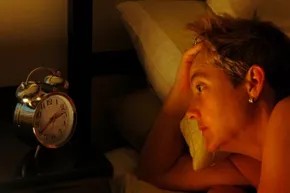
When you are sleep deprived, your brain stops working correctly. Your memory fades. You cannot focus. You become irritable and anxious. Above all, you are exhausted.
Insomnia is not just a bad night. It is a state of being perpetually half-awake. Between 50 and 70 million Americans have a chronic sleep disorder. The Sleep Health Foundation estimates that 10 percent of adults have mild insomnia at any given time. This makes it the most common sleep problem in the US.
Adults need seven to nine hours of sleep nightly. Yet a 2011 poll showed that more than half of Americans aged 13 to 64 do not get enough. They have trouble sleeping every night.
Insomnia, which means “no sleep” in Latin, involves two main issues. You might not be able to fall asleep. You might not be able to stay asleep. Quality suffers. You wake up frequently. You sleep for too few hours. Daytime exhaustion follows.
Normal sleep onset takes no more than 20 minutes. Insomniacs take 30 to 45 minutes or longer. This difficulty initiating sleep is the most common symptom. But the damage extends far beyond the bedroom.
Fatigue, tension headaches, anger, and depression follow you through the day. Gastrointestinal distress is common. Anxiety spikes. You worry about your to-do list. Then you worry about your sleep. This creates a cycle.
Lack of sleep raises the risk of chronic diseases. Type 2 diabetes is a major concern. Stroke risk increases. Hypertension becomes more likely.
Accidents are another danger. Five percent of adults admit to falling asleep while driving in the last 30 days. Sleep deprivation played a role in the Exxon Valdez oil spill. It was a factor in the Chernobyl nuclear accident.
Causes and Risk Factors
Not all insomnia is the same. Types vary. Durations differ.
There are two basic categories: primary and secondary. Primary insomnia is not caused by another health condition. Secondary insomnia is a symptom of another problem. About 80 percent of all insomnias are secondary.
Primary insomnia has three sub-types. Psychophysiological insomnia is driven by worry. Specifically, worry about sleep. Anxiety builds as bedtime approaches. One bad night can lead to many.
Idiopathic insomnia starts early in life. It persists for decades. Stressful events may worsen it, but it does not always.
Paradoxical insomnia is rare. Patients experience severe sleeplessness. They have no daytime drowsiness. It contradicts the typical experience of insomnia.
Secondary insomnia is more common. Stressful events trigger it. Divorce. Job loss. Jet lag. Schedule changes.
Low income increases risk. Sedentary lifestyles contribute. Mental health conditions are a major factor. Depression, anxiety, and bipolar disorder disrupt sleep.
As many as 85 percent of people with major depression also have insomnia.
Medications can keep you up. Allergy drugs cause issues. Cardiovascular drugs are culprits. Asthma treatments may interfere. Painkillers can disrupt sleep. Antidepressants are ironically common offenders.
Specific drug classes include:
– Alpha blockers for high blood pressure
– Beta blockers for hypertension and heart disease
– ACE inhibitors
– ARBs
– Corticosteroids
– H1 antagonists
– Glucosamine
– Statins
– SSRI antidepressants
Anyone can get insomnia. One in three adults has occasional acute insomnia. One in ten has chronic insomnia.
Women are more likely than men to suffer from insomnia. Hormonal shifts are blamed. Infants and children are less affected.
Pregnancy brings high risk. Eighty-four percent of pregnant women report insomnia symptoms.
Seniors over 60 face increased risk as well. Age changes sleep patterns.
Will You Ever Sleep Again?
Transient, acute, and chronic insomnias define the timeline.
Transient insomnia lasts a few days. Acute insomnia lasts weeks. Chronic insomnia lasts months or years.
The body needs recovery time. Without it, health deteriorates.
We all know what it feels like to lose sleep. But do we understand the long-term cost?
The line between tired and ill is thinner than we think.
We usually fixate on the clock. Another night gone. Another hour lost. But insomnia isn’t a monolith with a single duration. It ebbs. It flows. Some people get hit once in a lifetime. Others battle it for decades. The duration defines the type: transient, acute, or chronic. You might experience all three.
Transient insomnia is brief. A few days. Maybe a week. A looming deadline at work or school keeps you staring at the ceiling. This is the classic example. It passes.
Acute insomnia is slightly more persistent. It isn’t just a few nights. It’s bouts of sleeplessness stretching over three weeks. It feels longer. It is longer.
Then there is the chronic kind. The kind that feels like a life sentence. If you get less than six hours of sleep on at least three nights a week for 30 days or more, you have chronic insomnia. About 25% of these cases are diagnosed as primary insomnia, meaning there’s no underlying medical cause or medication driving the sleep loss.
Most of it responds to treatment. The short-term varieties? Lifestyle changes often do the trick. You need to fix your sleep hygiene. That’s just a fancy term for your personal sleep habits.
Keep a regular bedtime and wake time. Even on weekends. Keep the bedroom dark. Quiet. Cool. Reschedule your meals. Don’t eat within a few hours of hitting the pillow. Cut back on caffeine. Nicotine. Alcohol. These things wreck quality sleep, even for the best sleepers.
Insomnia lasting longer than a few nights needs more than just a cold room. It needs heavier artillery.
Behavioral Therapy, Hypnotics and Over-the-counter Treatments
When hygiene isn’t enough, you look at behavioral therapy. Cognitive Behavioral Therapy for Insomnia (CBT-I) is the gold standard. It targets the thoughts and behaviors that keep you awake. You learn to stop associating your bed with worry. You stop spending hours in bed when you can’t sleep. It rewires the brain’s response to sleep.
Hypnotics are the other route. These are prescription medications. They help you fall asleep faster or stay asleep longer. Benzodiazepines and non-benzodiazepines are common. They work. But they aren’t a forever solution. Tolerance builds. Dependence is a risk. They’re a bridge, not a destination.
Then there are the over-the-counter options. Melatonin. Antihistamines. Melatonin helps regulate your circadian rhythm. It’s not a sedative. It’s a signal. Antihistamines make you drowsy. They work for a night or two. Then your body adjusts. You get used to the grogginess. They don’t work long-term.
Which path is right? It depends on the severity. And the cause.
If your insomnia is transient, wait it out. If it’s acute, tweak your habits. If it’s chronic, see a doctor. Don’t just buy a bottle of pills. Get to the root.
Sleep is complicated. It’s not just about being tired. It’s about biology. Psychology. Environment. Fixing one piece might not fix the whole machine.
Emily Brontë allegedly walked until her body gave out and she simply collapsed into sleep. Whether that’s historical fact or literary embellishment, modern insomniacs know that pacing the floor rarely solves the problem. Counting sheep is out. Walking yourself into unconsciousness is unproven. But what actually works?
The timing of your physical activity matters more than you might think.
The Evening Workout Trap
If you are struggling to drift off, checking your exercise schedule is a good first step. Moderate-to-vigorous activity sends your body into high gear. It raises your core temperature. It spikes adrenaline. None of that helps you settle down.
Experts recommend avoiding intense workouts in the three to four hours before bedtime. The energizing effect lingers. Instead, swap the late-evening spin class for morning exercise. It helps regulate your circadian rhythm without keeping you wired at night.
Yoga is different. Gentle, restorative yoga can be part of a healthy wind-down routine. It lowers the heart rate. It signals safety to the nervous system. But heavy lifting? Save that for daylight hours.
Retraining Your Brain
When lifestyle tweaks aren’t enough, professional intervention often steps in. The American Academy of Sleep Medicine points to cognitive behavioral therapy (CBT) as a top-tier treatment. It isn’t just talk therapy. It is a structured approach to controlling the worries and anxiety that keep your mind racing at 2 a.m.
Relaxation techniques are part of this toolkit. Mindful meditation and controlled breathing help lower physiological arousal as bedtime approaches. But there is also a behavioral component that people often overlook.
It involves retraining your brain’s association with your bed.
For many insomniacs, the bed has become a place of frustration. You lie there, awake, checking the clock, feeling the stress build. CBT techniques can help break this link. One method involves restricting the time you spend in bed. You only go in when you are sleepy. If you can’t sleep, you get up. You gradually increase the duration over time.
Another approach is counterintuitive. Some individuals benefit from lying in bed without trying to fall asleep. The goal becomes rest, not sleep. The pressure to perform vanishes. Often, that lack of pressure is exactly what allows sleep to return.
When Therapy Isn’t Enough
If behavior changes and CBT don’t provide relief, medications may be the next step.
Over-the-counter options like melatonin, tryptophan, and valerian supplements are widely available. Melatonin, specifically, shows promise for sleep disorders tied to circadian rhythm disruptions, like jet lag. It helps manage the body’s day-night cycle.
But there is a catch. These alternative remedies are not regulated by the U.S. Food and Drug Administration (FDA). The purity and potency can vary wildly between brands. Some may even contain hidden ingredients like antihistamines, which can cause next-day grogginess or other side effects.
Consulting a health professional before starting at-home aids is essential.
Prescription Realities
For acute or chronic insomnia, prescription drugs are often necessary. The most common are sedative-hypnotics. Zolpidem (Ambien) and eszopiclone (Lunesta) fall into this category.
They work. They can knock out sleep quickly. But they carry risks. They can be habit-forming. Tolerance can build up. Because of these potential downsides, they are typically prescribed for short-term use only.
Other prescription options include benzodiazepine receptor agonists (BzRAs). These work on similar pathways in the brain to induce relaxation and sleep. Ramelteon is another option. It is a melatonin receptor agonist. It mimics the effects of natural melatonin in the brain, helping to signal that it is time to sleep.
Sometimes, the root cause isn’t just sleep mechanics. It is mood. Low-dose antidepressants may be prescribed for insomniacs who also deal with depression or anxiety. Treating the underlying mental health condition can indirectly resolve the sleep issues.
The path to rest rarely follows a straight line. One person’s magic pill is another’s ineffective supplement. The landscape of sleep aids is vast and often confusing. You might find that a morning run and a hour of meditation do more than any pill. Or you might need a carefully monitored prescription to bridge the gap.
There is no single answer that fits every restless night.