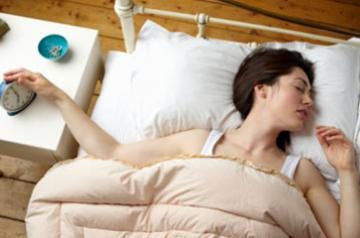
Most people assume falling asleep is automatic. It’s a reflex. But if you treat it like that, you will likely stay awake longer than you need to.
Henry is a case study in this error. He runs through his workday at full speed. He doesn’t stop when the clock hits five. He rushes through errands, emails, and chores until exhaustion hits him late at night. For twelve hours, his mind has been racing. Then, suddenly, he decides it is time to sleep.
He brushes his teeth. He pulls back the covers. He lies down.
He expects sleep to just happen. It doesn’t.
His body and brain are still running at eighty miles per hour. Slamming on the brakes doesn’t work for physiology. You need a cooldown lane. Henry has neglected his sleep hygiene. He hasn’t signaled to his nervous system that the day is over.
More than half of the United States population suffers from sleep issues. They skip the preparation phase. This leads to fragmented rest. To fix this, you need a strategy.
The Four Pillars of Sleep Preparation
Maximizing sleep quality requires deliberate action. It isn’t just about closing your eyes. You must address four specific areas:
- Start your wind-down process during daylight hours
- Set consistent sleep and wake times
- Engage in relaxation habits before bed
- Optimize your bedroom environment
Why Morning Choices Matter
Your evening sleep starts in the morning. Every decision you make from the moment you wake up influences your ability to rest later.
One critical factor is physical activity. Exercise improves sleep quality. However, the timing matters. Working out too close to bedtime can raise your core body temperature and adrenaline levels, making it harder to drift off. You need to plan your workouts so they finish with enough time for your body to cool down and relax.
Making wise choices all day long helps you wake up with energy. It creates a natural sleep pressure by nighttime. Neglecting this creates a cycle of fatigue and poor rest.
This content is for informational purposes only. It is not medical advice. Neither the editors, authors, nor publishers are responsible for consequences arising from any actions taken based on this information. This does not replace professional medical advice. Consult a physician before starting any new treatment, exercise routine, or dietary change.
Why Your Workout Timing Dictates Your Sleep Quality
The loop is real. You skip the gym because you are exhausted. You stay up late because you didn’t move enough during the day. It is a self-fulfilling prophecy of fatigue. Most people say they lack the energy to exercise, but the root cause often lies in their sleep habits. It is a chicken-and-egg problem, but the solution is surprisingly straightforward if you understand the mechanics.
Exercise is arguably the most neglected lifestyle habit. Everyone knows it is good for you. The benefits are well-documented: lower blood pressure, stronger bones, better muscle mass, and reduced stress. But there is one specific advantage that people often overlook. How exercise affects sleep quality is not just about burning calories; it is about timing and type.
The Morning Light Connection
Morning workouts are excellent for mood. They cut through the morning fog. They reduce stress. These benefits indirectly help you sleep because a calmer mind is easier to quiet down. But if you want a direct impact on your circadian rhythm, you need to pair that morning sweat with sunlight. Exposure to natural light early in the day reinforces your body’s internal clock. It signals that the day has begun. This clarity helps you feel sleepy at the appropriate hour later that night.
The Late Afternoon Sweet Spot
If you are looking for the most direct boost to your sleep onset, the data points to the late afternoon or early evening. This timing might seem counterintuitive. Many people assume that a heavy workout right before bed will tire them out. The opposite is true. Vigorous activity within three hours of bedtime raises your heart rate, stimulates your brain, and increases core body temperature. None of that is conducive to falling asleep.
However, exercising vigorously in the late afternoon achieves a different physiological effect. It raises your body temperature above normal several hours before you intend to sleep. As your workout ends, your body begins to cool down. This drop in core temperature acts as a biological signal that it is time to rest. It eases you into sleep rather than forcing you into a state of hyper-arousal.
Cardio Beats the Rest
Not all movement creates the same sleep benefit. While strength training, yoga, and stretching have their place, cardiovascular exercise is the heavyweight champion for sleep enhancement. The goal is to keep your heart rate up and your muscles working continuously. You need at least twenty minutes of this intensity.
The activity itself matters less than the consistency. It could be jogging. Swimming. Cycling. Dancing. Even briskly walking the dog counts if you maintain the pace. The key is to make it a routine. Aim for three or four sessions of vigorous cardio each week. If you enjoy the activity, you are more likely to stick with it.
A Note on Safety
This advice applies to the general population. If you have serious medical conditions, are significantly overweight, or have been sedentary for years, consult a physician before starting. Injury is the fastest way to ruin your sleep schedule. Start slowly. Increase intensity gradually. Listen to your body.
The relationship between sunlight and your sleep-wake cycle is just as intricate. Understanding how light exposure regulates your biological clock is the next piece of the puzzle.
Disclaimer: This content is for informational purposes only and does not constitute medical advice. Consult a healthcare provider before making changes to your exercise or sleep routine.
How Morning Light Resets Your Biological Clock
It sounds backwards. You think you need darkness to sleep, so why does basking in the early sun help you drift off later? It works because light and sleep are locked in a tight feedback loop.
Light tells your brain to stop producing melatonin and start waking up. That part is obvious. Turn on a bright lamp at 2 a.m., and you’ll likely stay awake. But the timing matters more than you might expect. Getting bright light early in the day actually sets the stage for deeper sleep hours later.
Your body runs on a 24-hour cycle. Technically called the circadian rhythm, this internal clock sits in the brain. It tries to keep time like a watch, but it has a flaw. It naturally drifts forward. If you stay up late and sleep in, you push that drift further out of alignment. Soon, falling asleep at 10 p.m. feels impossible, and waking up at 7 a.m. feels like pulling teeth.
To fix this, you need to reset the clock every single day. You need to sync it back to the earth’s rotation. Morning sunlight does exactly that.
The Danger of Light Deprivation
People who spend weeks in caves or isolated environments lose their rhythm entirely. Their sleep, body temperature, and hormone levels go haywire. You won’t be trapped in a cave, but underexposure to morning light has a similar, albeit milder, effect. You might not crash completely, but you will struggle to fall asleep when you want to and wake up feeling groggy.
Light is the strongest cue your brain has. Timing is everything. Your circadian system is most sensitive to light between 6 a.m. and 8:30 a.m. Hit that window, and you get a strong reset signal. Miss it and wait until noon or evening, and you get diminishing returns. Evening light can actually push your sleep time later, making the problem worse.
Indoor Light vs. Outdoor Sun
Not all light is created equal. The bulb over your kitchen table? It does almost nothing for your rhythm. Typical indoor lighting is too dim and the wrong spectrum to trigger a significant reset. You need intensity.
Direct sunlight outdoors is the gold standard. Experts suggest at least 30 minutes of exposure. It doesn’t have to be blazing hot sun. Even a cloudy day provides enough lux to do the job, assuming you are outside.
This is why light therapy boxes exist. These devices mimic sunlight and are often prescribed for Seasonal Affective Disorder (SAD), a type of depression linked to darker months. They seem like a logical fix for those stuck in offices or northern latitudes. But there is a catch. Sitting in front of the brightest commercial light box for 30 minutes still delivers less phototherapy than spending that same time outside on an overcast day. Nature wins on intensity and spectrum.
Managing Stress While You Wait for Dawn
You can’t force the sun to rise earlier. You can’t control the weather. What you can control is how you handle the stress that accumulates while you wait. High stress keeps your body in a state of high alert, which fights against the sleepiness you’re trying to cultivate.
The connection between stress and sleep is complex. When you are stressed, cortisol stays elevated, suppressing melatonin. It’s a physiological barrier to rest. Learning to lower that stress level is the next step in mastering your sleep hygiene, but that is a battle for another time.
This content is for informational purposes only. It is not medical advice. Consult a healthcare professional before making changes to your sleep habits or light exposure routines.
Why Stress Steals Your Sleep
You know the feeling. You’re exhausted, body heavy, mind screaming for shut-eye. You climb into bed. And then, you lie there. Wide awake. The day replays in your head. Every awkward email. Every minor slight. Every unfinished task. It’s not just restlessness. It’s stress keeping you hostage.
The irony? You can’t train yourself to ignore it.
Consider the smell of factory smoke. Move into a neighborhood plagued by it. The first week, it’s unbearable. Gag-inducing. But after a month? You don’t notice it. You’ve become conditioned to the toxin. You breathe it in like it’s normal.
Stress works the same way.
We drown in daily friction. Rushed mornings. Traffic snarls. Family obligations. We adapt to the chaos. We stop sensing how tight our chests are, how clenched our jaws. Until the breaking point hits. A breakdown. An emergency. The “last straw.” By then, the damage is done. Sleep quality plummets. Health takes a hit.
You can’t avoid stress. If you breathe, you’ll face it. The goal isn’t elimination. It’s management.
Control What You Can
The first step in managing stress is recognizing the boundary between control and chaos.
Can you change your boss’s unrealistic deadline? Probably not. That’s out of your hands. Can you change how you respond to it? Yes. That’s where the power lies.
Focus on your response. Not the event. The reaction.
When you choose your response, you reclaim agency. You stop being a passenger in your own life. This shift doesn’t just feel better. It changes how your body processes stress.
Therapists emphasize this: Your body is the best alarm system.
Pay attention to physical cues. Tight shoulders. Rapid heartbeat. Irritability. These are signals. Intervene before they derail your sleep. Don’t wait for the crash. Catch it early.
The Nighttime Rebound
Why does daytime stress dictate nighttime sleep?
Because the brain doesn’t clock out.
When you suppress stress during the day, it doesn’t disappear. It waits. It bubbles up in the quiet. The silence of 2 AM is when unresolved emotions rise to the surface. They demand attention. They demand resolution. And your brain, unable to resolve them, keeps you alert.
This is the fight-or-flight response.
It’s a biological safety net. If a dog charges you, your brain dumps adrenaline into your system. Heart rate spikes. Muscles tense. You’re ready to run or fight. It’s useful. It saves lives.
But try running from a spreadsheet. Try fighting a traffic jam.
There’s no physical outlet. No predator to outrun. So that adrenaline stays. That alertness lingers. You’re physiologically primed for action, but physically trapped in bed. The result? Insomnia.
The more you dwell on these events, the stronger the hormonal response. The harder it is to relax.
Breaking the Cycle
The solution isn’t to ignore stress. It’s to process it earlier.
Deal with stressors as they happen. Don’t let them pile up. Resolve what you can. Accept what you can’t. By the time night falls, there’s less residue. Less mental clutter. Less chemical noise.
You sleep better. You wake up clearer.
And while you’re at it, watch your naps.
How you nap affects how you sleep at night. It’s a delicate balance. Get it wrong, and you’ll pay for it in restless hours. Get it right, and you might just find the rest you’ve been chasing.
This content is for informational purposes only. It does not constitute medical advice. Always consult a healthcare provider before making changes to your health routine.
Timing the Afternoon Reset
The debate over daytime sleep is often personal. Some people thrive on it. Others find it ruins their nighttime rest. The truth is likely in the middle. Napping works for some and fails for others, depending on the strategy used.
The biological urge to sleep peaks roughly eight hours after you wake up. This aligns with the body’s first daily temperature dip. The second dip is more significant and happens at night.
A short nap during the early or mid-afternoon can boost alertness. It restores energy. A nap taken too late in the day is risky. Late afternoon or early evening naps can disrupt your circadian rhythm. They make falling asleep at night much harder.
To get the most out of strategic napping, keep it brief. Aim for under 30 minutes. Do it before mid-afternoon. Longer naps push you into deep sleep stages. Waking up from deep sleep causes grogginess. This is known as sleep inertia.
If you are severely sleep deprived, a short nap might not cut it. In that case, sleep for a full cycle. An average cycle lasts about 90 minutes. This allows your body to reset naturally rather than jolting you awake mid-deep-sleep.
Consistency matters. If you need a daily nap, take it at the same time. This helps your body build a rhythm that includes the break. Can’t sleep? Just resting with your eyes closed helps. It restores some energy without the need for actual sleep.
You can also use naps to buffer against planned sleep loss. If you know you will stay up late, take a long nap earlier in the day. Two to three hours can reduce fatigue at bedtime. It may improve alertness. It might temporarily throw off your sleep schedule, but the trade-off could be worth it.
Food and Sleep Links
Eating habits influence your sleep cycle as much as timing does. What you eat affects how easily you drift off. A healthy diet supports restful sleep.
This information is for educational purposes only. It is not medical advice. The authors, editors, and publishers are not liable for any consequences from using this information. This does not replace professional medical advice. Always consult your physician before making changes to your health routine.
How Meal Timing and Composition Shape Your Rest
The direct link between what we eat and how we sleep is complex, but the indirect pathways are becoming clearer. A diet centered on fresh produce, whole grains, and lean proteins does more than just stave off heart disease or diabetes. It stabilizes the body’s internal machinery. When chronic conditions flare up, they often disrupt sleep. The medications used to manage them can too. So, eating well is arguably the first line of defense for protecting both metabolic health and restorative rest.
But when you eat might matter just as much as what you eat.
Most Americans follow a pattern that seems counterintuitive for sleep: a light breakfast, a moderate lunch, and a heavy dinner. This late-night feast often leads to discomfort, bloating, or heartburn when you finally lie down. The body is busy digesting rather than resting. Reversing this flow can create a more sleep-friendly rhythm.
The Case for Breakfast and Light Dinners
Try shifting your caloric intake to the front of the day.
- Start with a substantial breakfast. This meal breaks your overnight fast. It should provide the fuel for your morning. Think whole-grain cereals, yogurt, and fresh fruit. Make it the largest meal of the day.
- Keep lunch moderate. Balance is key here. Brown rice, whole-grain pasta, or bread paired with a protein source like fish, eggs, chicken, or beans works well.
- Make dinner light. The goal is to finish eating at least two hours before bed. Longer is better. If hunger strikes later, look for specific late-night snack ideas that won’t spike your energy levels.
Common Dietary Sabotages of Sleep
Beyond meal timing, certain substances can quietly undermine your rest.
Caffeine is a known stimulant. It blocks adenosine, the chemical that builds up in your brain to signal tiredness. While some people claim they can drink coffee all day and sleep fine, others are highly sensitive. If sleep is elusive, cutting back on caffeine is usually step one. Remember, coffee isn’t the only culprit. Sodas, teas, chocolate, and even some headache medications contain it. Check labels.
Monosodium glutamate (MSG) affects some people differently. For those who are sensitive, it can cause headaches, digestive upset, or other reactions that make sleep difficult. It’s common in processed foods and some Asian cuisines. Eliminating it for a few weeks might reveal if it’s affecting your rest.
Fluid intake matters. A full bladder interrupts sleep cycles. Water is essential for health—aim for eight glasses a day—but timing is everything. Drink most of your fluids by the end of dinner. Save the water intake for later so you aren’t waking up multiple times to use the bathroom.
Alcohol seems helpful but isn’t. It might make you feel drowsy initially. It doesn’t help you stay asleep. Alcohol can disrupt the deeper stages of sleep, leading to fragmented rest and next-day fatigue.
Your daily habits extend beyond the kitchen. What you do after dinner matters too.
Why a Fixed Bedtime Actually Works for Adults
Treating sleep like a mandatory meeting isn’t just for corporate drones. It is a biological imperative. Your body craves regimentation. It wants predictability. When you schedule rest with the same seriousness as a work deadline, you stop fighting your own physiology. You start working with it.
Here is how to build that structure without turning your evening into a chore.
The Power of the Bedtime Ritual
We all have morning rituals. Coffee. Shower. Checking emails. These actions signal to the brain that the day has begun. Why skip the equivalent for the night?
A bedtime ritual is a cue. It tells your nervous system to shut down. You likely already do this without thinking. Brushing teeth. Turning down the thermostat. Setting the alarm. These are small anchors.
The key is consistency. Perform these steps in the same order, every single night. Repetition breeds relaxation.
But there is a strict filter for what belongs in that window. Avoid high-stimulation activities. Do not assemble furniture. Do not pay bills. Do not argue with a partner. These tasks spike cortisol. They light up the prefrontal cortex. Your brain needs to wind down, not rev up.
Finish the heavy lifting earlier in the evening. Leave the last thirty minutes for quiet. This creates closure. It allows your mind to detach from the day’s chaos. You go to bed with a quieter mind. The body follows suit.
Stick to the Clock (Even on Saturdays)
Some assume rigid schedules are for toddlers. That is a mistake. Adults benefit just as much, if not more.
The goal is simple: go to bed and wake up at the same time every day. Include weekends. This regularity anchors your circadian rhythm. It sets your internal clock.
Inconsistent sleep times confuse this clock. You wake up groggy. Your energy dips. Your alertness fractures.
Sticking to a fixed schedule changes the quality of your rest. It improves sleep depth. It stabilizes your energy levels throughout the day. Studies suggest that maintaining this rhythm for six weeks yields noticeable improvements in daytime alertness.
It is not magic. It is mechanics.
“Consistency is the most effective tool for regulating circadian rhythms.”
This nightly ritual is just one lever. There are others. Techniques for relaxation. Environmental tweaks. The next section covers those additional strategies.
Disclaimer: This content is for informational purposes only and does not constitute medical advice. Consult a physician before making significant changes to your health routine.
Creating a Pre-Sleep Wind-Down Routine
The hour before you actually close your eyes is where the night is won or lost. It’s not just about being tired; it’s about signaling to your brain that the day is over. If you spend this final window scrolling through work emails or re-litigating an argument, you’re keeping your nervous system on high alert. But used correctly, those sixty minutes can be the bridge between chaos and calm.
The goal is simple: strip away the stress so your body can settle. If you skip this step, you might find yourself staring at the ceiling at 3 a.m., wondering why you’re still awake.
Curating Your Calm
You need an environment that whispers, not shouts. This means picking activities that lower your heart rate, not spike it. Experiment until you find what works, because the right ritual is personal.
Reading is a classic for a reason, but the material matters. Pick something light. A popular magazine or a short story can lull you into a quiet state. Avoid dense technical manuals or thrillers that demand active problem-solving. Your brain needs to disengage, not engage harder.
Audio can do the heavy lifting. Soft instrumental music tends to work best because it lacks lyrics to distract you. Familiar pop songs or driving rock beats often keep your brain tracking the rhythm, which keeps you alert. If music feels too stimulating, try nature sounds. The steady, predictable patterns of rain or ocean waves can mask household noise and soothe the mind.
Meditation or prayer offers a different kind of reset. It’s not about emptying your mind—though that’s the goal—but about acknowledging what’s there and letting it pass. It creates a buffer between you and your thoughts, allowing peace to take root.
Television is tricky. It’s fine if you have the discipline to turn it off the second you feel drowsy. But most people don’t. You nod off, leave it running, and then have to wake up fully to kill the TV. That jolt ruins your sleep cycle. If you must watch, do it in the living room earlier in the evening. Do not bring the screen into the bedroom.
The Timing of the Warm Bath
A hot bath is a proven trick for inducing sleep, but the when is everything.
For some, a bath right before bed is the key to drifting off. The heat relaxes muscles and slows the mind. But for others, it’s counterproductive. A hot bath raises your core body temperature. If you jump into bed while your body is still cooling down from that heat, you might feel uncomfortably warm, which can delay sleep onset.
If you find yourself overheating, shift your bath earlier. Taking it two hours before bed allows your body temperature to drop naturally as you prepare for sleep. This gradual cooling is a natural signal to your circadian rhythm that it’s time to rest.
When Anger Keeps You Awake
Imagine this: you just got off the phone with a relative who managed to ruin your entire evening. You’re furious. You storm into the bedroom, slam your fist into the pillow, and lie down, vibrating with rage.
You won’t sleep. Your body is in fight-or-flight mode. Cortisol and adrenaline are flooding your system. Your bed should be a sanctuary, not a battleground for your unresolved emotions.
If you’re boiling over, don’t lie in bed stewing. Get up. Step out of the bedroom. Write down what’s bothering you in a journal to get it out of your head and onto paper. Use a relaxation technique to lower your arousal levels. Only return to bed when you’ve cooled down.
Your bedroom should produce a feeling of peace and contentment. If you’re angry, change the setting until you’re calm.
This isn’t just about comfort. It’s about conditioning your brain to associate your bed with rest, not conflict. How you spend the hour before sleep determines the quality of the rest you get. If you’re still wrestling with the day’s friction, the night won’t offer much relief.
This information is solely for informational purposes. IT IS NOT INTENDED TO PROVIDE MEDICAL ADVICE. Neither the Editors of Consumer Guide (R), Publications International, Ltd., the author nor publisher take responsibility for any possible consequences from any treatment, procedure, exercise, dietary modification, action or application of medication which results from reading or following the information contained in this information. The publication of this information does not constitute the practice of medicine, and this information does not replace the advice of your physician or other health care provider. Before undertaking any course of treatment, the reader must seek the advice of their physician or other health care provider.
Why Your Bedroom Should Be a Sleep-Only Zone
The environment matters as much as the person in it. If you want to fix your sleep, you need to treat the bedroom as a sanctuary for rest. Nothing else.
Most of us have let the lines blur. The bed is no longer just for sleeping. It has become a cinema for television. A dining room for late-night snacks. An office for checking emails. A lounge for phone calls and card games. This habit destroys your sleep hygiene. When you engage in non-sleep activities in bed, you train your brain to link that space with alertness or distraction. You want the opposite. You want your mind to associate the mattress with drowsiness. You want to collapse into sleep, not sit up and watch a drama.
Even passive habits like watching TV until you drop off can backfire. You might think you are relaxing. But you may actually be fighting sleep just to hear the last joke or finish a song. This creates a dependency. If you only fall asleep with background noise, waking up in the middle of the night becomes a crisis. You cannot drift back off without the radio. So you stay awake. Or you get up to turn the volume back on. Either way, your sleep cycles are shattered.
Work is an even bigger enemy. Bringing job stress into bed is a direct path to insomnia. When you do paperwork on the sheets, the bed becomes a trigger for anxiety. The sight of the pillows or the smell of the blankets can send your heart rate up. Your muscles tighten. Your thoughts race. You start associating rest with pressure. That is not a good combination.
The Nuance of Intimacy
There is one common exception to the sleep-only rule. Sex. But this is not a universal fix. It depends entirely on the individuals involved.
For some couples, intimacy is deeply relaxing. It is physically tiring and emotionally soothing. In these cases, sex before bed can be the perfect prelude to sleep. It helps you drift off naturally.
However, this is not true for everyone. Some people find sex energizing. It wakes them up. It makes them alert. Others carry relationship tensions into the bedroom. If sex is fraught with frustration or negative emotions, it will not help you sleep. It will likely keep you awake.
Couples need to discuss this openly. If intimacy leaves you feeling stimulated or upset, leave it for another time. Or another room. The goal is sleep. If an activity harms that goal, it needs to be removed from the bedroom equation.
If you are still lying in bed, unable to sleep, you need a different strategy for breaking the cycle of tossing and turning.
This content is for informational purposes only. It is not medical advice. Consult a healthcare professional before making changes to your health routine.
Why Trying Harder Keeps You Awake
The irony of insomnia is that effort is your enemy. You lie there, staring at the ceiling, counting backward from a hundred, or mentally rehearsing your grocery list, all while silently screaming, Just sleep already. The harder you push, the more alert you become. Sleep isn’t a task you complete through grit; it’s a biological state you surrender to.
When you’re awake, your sympathetic nervous system is revved up. Stress hormones are circulating. If you stay in bed, tossing and turning, you aren’t resting. You’re reinforcing a neural pathway. Your brain starts to link the mattress with frustration, anxiety, and wakefulness. This is a classic condition called psychophysiological insomnia. You become conditioned to feel wide awake in the only place supposed to be your sanctuary.
The Strategy for Insomnia: Leave the Bed
The most effective, evidence-based response when you can’t fall asleep isn’t to try harder. It’s to get up.
This feels counterintuitive. We’re taught that if we can’t sleep, we must stay in bed to “catch up” on rest. But if you’ve been tossing for more than twenty minutes, staying put is actively damaging your sleep hygiene. You need to break the association between your bedroom and stress.
Get out of bed.
Go to another room. Keep the lights low. Do something boring. Read a physical book (no screens). Do some light stretching. Knit. Listen to calm music. The goal is to engage in a low-stimulation activity that doesn’t require intense cognitive load or emotional excitement.
Wait until you feel sleepy again. Really sleepy. Not just tired, but heavy-lidded. This usually takes about fifteen to twenty minutes. Then, go back to bed. If you’re still awake after another twenty minutes, repeat the process.
Rewiring Your Sleep Association
The logic here is behavioral. You want your brain to relearn that the bed is for sleep, not for worrying about why you can’t sleep. If you stay in bed while frustrated, you teach your brain that Bed = Awake + Stress. If you get up until you’re drowsy, you teach your brain that Bed = Sleep.
This technique, often called stimulus control therapy, is considered a first-line treatment for chronic insomnia by sleep specialists. It disrupts the cycle of anxiety. You stop watching the clock. You stop judging your failure to drift off. You simply remove yourself from the situation until your body’s natural sleep drive takes over again.
What to Avoid
Not all nighttime activities are created equal. If you get up, avoid:
- Bright lights: These suppress melatonin, the hormone that signals bedtime.
- Screens: Blue light from phones and TVs mimics daylight, tricking your brain into thinking it’s morning.
- Heavy meals or alcohol: These might knock you out initially, but they fragment sleep quality later in the night.
- Exercise: Getting your heart rate up now will only delay sleep onset.
When to Seek Help
If this happens occasionally, it’s normal. If it happens three or more nights a week for three months or more, it’s chronic insomnia. In those cases, the behavioral techniques above are still the gold standard, but you may benefit from working with a cognitive behavioral therapist for insomnia (CBT-I). They can help you dig deeper into the thoughts and habits keeping you awake.
For now, the next time you’re staring at the ceiling, remember: you can’t force it. You have to let it happen. And if it won’t come, go make a cup of herbal tea instead. The bed will still be there in twenty minutes.
What to Eat (and Avoid) for Better Sleep
Hunger is a notorious sleep thief. If your stomach starts growling as you lie down, ignoring it is a mistake. A light snack can actually improve sleep continuity, but the portion size matters. You want to avoid the “food coma” feeling that comes from an overstuffed stomach, which disrupts rest just as much as an empty one.
The goal is to find the right chemical trigger. One common theory involves tryptophan, an amino acid found in turkey, tuna, peanuts, and cheese. Tryptophan helps the body produce serotonin, a neurotransmitter that promotes calm and sleep. Warm milk fits here, partly because of tryptophan and partly because the ritual itself is soothing. However, if you are lactose intolerant, stick to lactose-free alternatives to avoid digestive distress.
Another angle focuses on carbohydrates. Some sleep scientists argue that carbs help usher tryptophan into the brain, making it more effective at producing serotonin. Simple carbs like bread, potatoes, cereal, or juice might be the key here.
Then there are the minerals. Magnesium and calcium have a documented calming effect on the nervous system. Even a slight deficiency in these minerals can disrupt sleep. Dairy provides calcium, while magnesium sources include apples, apricots, avocados, bananas, peaches, nuts, and whole-grain cereals.
Experimentation is necessary because everyone’s body reacts differently. But there are hard rules for bedtime eating: avoid triggers for heartburn, indigestion, or gas. Greasy, fatty, and spicy foods are usually out. If you’re sensitive to MSG, skip the takeout leftovers.
Active Relaxation Techniques
Passive waiting rarely works when anxiety keeps you awake. You need to actively quiet the body and mind. Techniques like progressive muscle relaxation and deep breathing force the nervous system into a peaceful state by deliberately clearing intrusive thoughts and physical tension.
Progressive Muscle Relaxation (PMR)
This method relies on a simple biological fact: when you tense a muscle group for several seconds, it naturally craves the subsequent release. You start at the toes and move upward.
Lie on your back in a room that isn’t your bedroom to break the association between the activity and your bed. Scrunch your toes as hard as you can for ten seconds. Keep the rest of your body relaxed. Then, release. Move to your calf muscles, tighten, and release. Progress through your thighs, buttocks, abdomen, chest, forearms, shoulders, neck, and finally your face.
Take your time. The full cycle should take at least twenty minutes. If you haven’t felt a deep sense of relaxation by the time you reach your head, repeat the entire sequence once more.
Abdominal Breathing
Rhythmic breathing is one of the most effective ways to lower physiological arousal. It looks simple, but proper execution requires focus.
Lie on your back and breathe normally for a moment. Place one hand on your lower abdomen, near your belt line. Inhale slowly, filling your lungs until you feel your abdomen rise under your hand. Take in as much air as comfortably possible. Hold for a couple of seconds. Then, exhale slowly, emptying your lungs completely.
Focus entirely on the sensation of the air moving and your abdomen rising and falling. Do not rush. Repeat this cycle eight to ten times. The goal is to occupy your mind with the physical act of breathing so it has no room for worry.
Visualization
If physical techniques feel too active, try engaging your imagination. Visualize a place or activity that induces genuine relaxation. This could be a specific vacation spot—sitting on sand with feet in the surf, or diving near a coral reef. It could also be a mundane activity you love, like hiking, cooking, or even shopping.
The mechanism is straightforward: you are giving your brain a soothing narrative to replace the stress narratives it is currently generating. Close your eyes and mentally “go” to that place or “do” that activity. By focusing on sensory details, you signal to your mind that you are safe and at rest. It is often effective enough to induce sleep in a short time.
Your environment plays a role too, starting with the surface you rest on. Choosing the right mattress is the next logical step in optimizing your sleep setup.
Disclaimer: This information is for educational purposes only and does not constitute medical advice. It is not intended to provide medical recommendations. Neither the authors, publishers, nor editors take responsibility for consequences resulting from the application of this information. This content does not replace the advice of a qualified physician or healthcare provider. Always seek the advice of your physician or other health care provider with any questions you may have regarding a medical condition.
Why Your Mattress Choice Matters More Than You Think
We spend roughly one-third of our lives asleep. Most of that time is spent lying on a mattress. Yet, most people ignore their bed until springs poke through the pad. That is a mistake. Your mattress dictates sleep quality. Poor sleep ruins your day. You need to pay attention to firmness, type, and size.
Firmness: Finding the Sweet Spot
Soft isn’t always better. Poor support causes muscle stiffness. It leads to neck and back pain. Too soft? Your body sinks into bumps or valleys. Too hard? Pressure builds on shoulders and hips. The ideal surface is gently supportive. It should mold to your body without being rock hard or squishy.
Mattresses die slowly. They lose firmness over time. The average lifespan is ten years. Most people keep theirs longer. Once lumps and sags appear, replace it.
Types of Mattresses and Heat
What options do you have?
- Polyurethane foam. These come in various firmness levels. But they often make you hot. You lose a pint or more of moisture per night. If the mattress doesn’t breathe, you feel sweaty.
- Innerspring. Rows of tempered steel coils sit between padding. Firmness depends on wire thickness and coil count. More coils usually mean firmer support.
- Waterbeds. They don’t breathe. They sag under heavy body parts. Some people swear by them. Before buying, sleep on a friend’s.
Most people choose innerspring. They offer firmness options. They are cooler because air circulates around coils. They are easy to find.
Size Matters for Sleep Quality
Bigger is better. You don’t want to fight for space. You don’t want to get kicked or elbowed. A healthy sleeper moves 15 to 30 times a night. Cramped conditions make sleep awkward.
Old research suggests sleeping with someone else is less restful than sleeping alone. As you age, sleep becomes more restless. You need extra room.
Consider separate beds. Or get the largest mattress that fits your room and budget. Newer designs minimize movement. They reduce disruption when a partner tosses or turns.
Try Before You Buy
Always try the mattress in the store. Salespeople expect it. Lie down in your normal position. Stay there. Feel how it supports you. Bring a partner. Ask about trial periods. Return options exist if it’s wrong.
Be picky. You will spend a lot of your life on that mattress.
The Pillow Question
Now you have the right mattress. What about your pillow? Learn how to pick one on the next page.
This information is solely for informational purposes. IT IS NOT INTENDED TO PROVIDE MEDICAL ADVICE. Neither the Editors of Consumer Guide (R), Publications International, Ltd., the author nor publisher take responsibility for any possible consequences from any treatment, procedure, exercise, dietary modification, action or application of medication which results from reading or following the information contained in this information. The publication of this information does not constitute the practice of medicine, and this information does not replace the advice of your physician or other health care provider. Before undertaking any course of treatment, the reader must seek the advice of their physician or other health care provider.
How to Pick a Pillow for Spinal Alignment
Sleeping isn’t one-size-fits-all. You might be able to nap on a cinder block, but most of us need something that doesn’t feel like we’re sleeping on a brick wall. Your head is heavy. We’re talking over 10 pounds. That’s a lot of weight for your neck to carry all night if your support system is off.
A proper pillow does one thing: keeps your spine neutral. If your head tilts up or cranes down, you’re asking for trouble. But “trouble” looks different depending on how you lie down.
Side sleepers need height. You need a firm pillow that fills the gap between your ear and the mattress. Without that fill, your neck bends sideways. It strains muscles you didn’t know you had.
Back sleepers have it easier. A medium to firm pillow works best here. It cushions the head without pushing it forward. Keep the airway open. Keep the spine straight.
Stomach sleepers? This is the hard mode. If you must sleep on your stomach, go soft. A thin pillow minimizes neck rotation. Otherwise, you’re twisting your cervical spine at an angle no human was designed to hold for eight hours.
Materials and Allergies
What’s inside matters. Synthetic fibers and foam are popular for a reason. They are hypoallergenic. You can wash them. They don’t harbor dust mites like natural materials sometimes do.
Down and feathers are luxurious. They mold to your shape. But they are risky if anyone in the bed has sensitivities. Test them before you commit. You don’t want your partner sneezing through the night because you wanted a fluffy cloud.
Orthopedic Options and Snoring Myths
You’ll see orthopedic pillows on store shelves. They promise pain relief. They are priced higher than standard cushions. However, if a doctor prescribes one for a specific condition, insurance might cover the cost. You can usually find these at surgical supply outlets, not just department stores.
Then there are the anti-snoring pillows. They make bold claims. They say they will stop your snoring by repositioning your head. The reality? They rarely work. Snoring is often a structural or medical issue. A pillow is a band-aid. Go to a doctor. Treat the cause. Don’t waste money trying to muffle a symptom that needs actual attention.
When to Replace and Next Steps
Comfort is the only metric that truly counts. Maybe your aunt sleeps on a pillow stuffed with camel hair. That’s her business. Your body doesn’t care about tradition. It cares about alignment.
Watch your pillow. When it stays flat after you get up, it’s dead. Throw it out. Experiment. Try different heights, different fills. Stick with what lets you wake up without a stiff neck.
If noise is the issue, stop folding the pillow around your ears. It doesn’t work. It just makes you overheat. There are better ways to control your environment. We’ll look at those next.
“A pillow should support your head in line with your back and spine.”
This text is for information only. It is not medical advice. Consult a physician before making health decisions. The publishers are not responsible for any outcomes from following this information.
Blocking Out the Noise
Silence is a myth. The reality is that our sleep environment is a constant barrage of auditory interruptions. Trains chug. Planes roar overhead. Neighbors blast music or clatter around. Even crows decide that 4 AM is the perfect time to start cawing. You can’t always stop these sounds. You can’t move away from the train tracks or tell the neighbors to be quiet. So you mask the noise.
A white-noise machine is the practical answer. It emits a steady, soothing whoosh. This constant sound drowns out the sudden, unpredictable noises that trigger your brain to wake up. Unlike a radio or TV, which changes volume and content, a white-noise machine stays flat. It doesn’t startle you. It just fills the void.
Some units go beyond basic static. They mimic rain, wind, or crashing waves. That can be calming. It can also be too stimulating for some. Start simple. The devices cost between $50 and $150. You can buy them online or at department stores. The goal isn’t perfect silence. It’s consistent background hum.
Moving the Pet
Pets are family. That’s the narrative. But sharing a bed with a dog or cat disrupts sleep. They move. They nuzzle. They shift. You roll over. They roll with you. By morning, you are squeezed into a corner while your pet sprawls across the majority of the mattress.
Think about the physics of it. Two humans in a bed already create movement. Add a pet that changes position multiple times an hour. You are essentially sleeping through minor aftershocks all night long. Then there’s the behavioral aspect. Some pets want company. They wake you up. They put a toy on your pillow. They demand attention.
It feels like betrayal to banish them. You worry they will love you less. They won’t. But you will sleep more. Close the bedroom door. Keep them out. The peace and comfort you gain are worth the initial guilt. You get a better night’s rest. They get their own cozy spot. It’s not cruel. It’s logistics.
Leaving home makes sleep harder. The next section covers how to manage sleep away from your own bed.
This information is solely for informational purposes. IT IS NOT INTENDED TO PROVIDE MEDICAL ADVICE. Neither the Editors of Consumer Guide (R), Publications International, Ltd., the author nor publisher take responsibility for any possible consequences from any treatment, procedure, exercise, dietary modification, action or application of medication which results from reading or following the information contained in this information. The publication of this information does not constitute the practice of medicine, and this information does not replace the advice of your physician or other health care provider. Before undertaking any course of treatment, the reader must seek the advice of their physician or other health care provider.
The First-Night Effect and How to Outsmart It
You check into a four-star hotel. The linens are high thread count. The view is pristine. Yet, your sleep is fragmented, light, and frustratingly elusive. This isn’t just bad luck. It’s the first-night effect.
Most people don’t sleep as well away from home as they do in their own bed. The brain remains partially alert in unfamiliar territory, scanning for threats. This phenomenon is called the first-night effect. It is named as such because sleep often improves considerably after as little as one night away from home. Your brain gets the memo that you are safe, and the guards go down.
But you don’t have to wait for night two to get rest. You can hack the environment.
Make the strange feel familiar. Bring objects from home. A pillow from your bedroom. Pictures of family on the nightstand. Reminders of your own sanctuary. These cues signal safety to the brain.
Also, maintain your routine. If you read before bed, bring a physical book. Don’t just scroll. If you shower at night, do it there. Give your body all its usual clues that bedtime is approaching. Consistency breeds comfort.
Conversely, if you find you sleep better away from home, pay attention. Why? What does the new sleep environment have that your bedroom at home does not? No pets barking? Better pillows? A firmer mattress? A quieter street? Distance from life’s problems?
When you return home, try to replicate those winning conditions.
How to Screen for Noise Pollution Before You Move
If you are planning on moving, do not skip the noise check. You need to check out prospective new homes and neighborhoods for noise pollution before you sign a deal. High prices and fancy addresses are no guarantee of peace and quiet. Obviously, you cannot eliminate all the noise, but you should at least think about whether your new home will be in a place where you can get some rest.
Here is how to screen out sleep-stealing housing situations:
-
Take samples of the neighborhood noise. Notice the space between houses. Does the bedroom of that new house back up against someone else’s porch, barbecue area, basketball court? Does the neighbor’s dog bark every time someone walks by? Ask other tenants or homeowners whether the neighbors are considerate about keeping noise to a minimum.
-
Check noise levels at different times. Do this in the daytime, the evening, and at night. That quaint tavern or nearby park may seem quiet during the day, but what about late in the evenings or on weekends?
-
Check the walls. When renting an apartment or buying a condo, check the thickness of the walls. Can you hear the television of the tenants next door? Thin walls are a recipe for sleep disruption.
-
Check out the traffic patterns. The bus stop near the front door may seem very convenient until you realize the whole apartment shakes each time the bus rumbles through on its 24-hour route. The same may be true if the home is located along a truck route. The house may be miles from the local airport, but take-off and landing patterns may channel flights right over it.
Be alert that high prices and fancy addresses are no guarantee of peace and quiet.
Sleeping is something all of us must do every night. With the information from this article, you’ll be on your way to getting the most out of your sleep time.
About the Author
Virgil D. Wooten, M.D., is the medical director of the TriHealth Sleep Centers at Good Samaritan and Bethesda North hospitals in Cincinnati. He is also a diplomat of the American Board of Sleep Medicine, a fellow of the American Academy of Sleep Medicine, and a consultant, writer, and speaker on sleep-related subjects. Dr. Wooten has more than 25 years of research, clinical and teaching experience.
This information is solely for informational purposes. IT IS NOT INTENDED TO PROVIDE MEDICAL ADVICE. Neither the Editors of Consumer Guide (R), Publications International, Ltd., the author nor publisher take responsibility for any possible consequences from any treatment, procedure, exercise, dietary modification, action or application of medication which results from reading or following the information contained in this information. The publication of this information does not constitute the practice of medicine, and this information does not replace the advice of your physician or other health care provider. Before undertaking any course of treatment, the reader must seek the advice of their physician or other health care provider.