The odds feel stacked. Again.
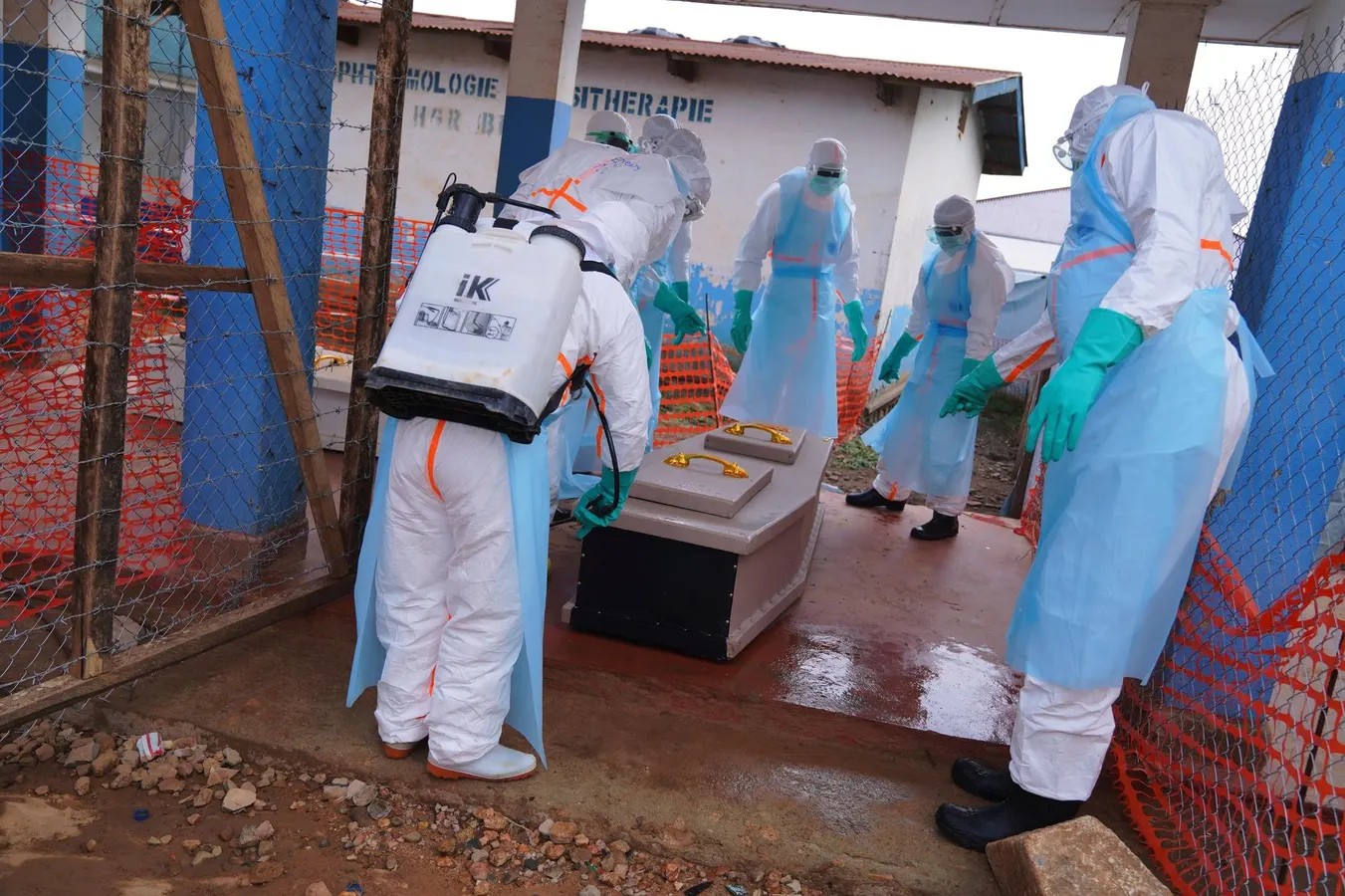
Eight hundred lives. Over two thousand sickened. That is the human toll of the current Bundibugyo ebolavirus flare-up in the Democratic Republic of Congo. It moves fast. It kills fast. And for the last few months, we haven’t had a weapon to stop it.
But in the UK, a new shot has entered human clinical trials.
The candidate, known as ChAdOx BDBV, isn’t just another drug on a shelf. It’s an experimental vaccine designed specifically to target the Bundibugyo strain causing the chaos in Africa right now. The University of Oxford’s Vaccine Group launched the first-in-human study. They are testing safety and immune response.
Why standard Ebola shots don’t work here
You might wonder why we don’t just use the vaccine already on the market. The one that saved thousands during the massive West Africa outbreak between 2014 and 2016?
It doesn’t work.
That existing shot targets the Zaire ebolavirus. Bundibugyo is a different beast. Genetic differences between the two strains mean the old vaccine offers little to no protection against this new outbreak. Bundibugyo, first spotted in Uganda in 2007, is one of six known ebolavirus species. It shares the same terrifying DNA: severe disease, high fatality rates, and a capacity to devastate communities.
Because the licensed vaccine is ineffective here, public health teams are left with the heavy lift. Rapid diagnosis. Contact tracing. Infection control. Supportive care. They are waiting for new medical countermeasures to bridge the gap.
“Launching this first-in-human study… is an important milestone… and the culmination of a significant effort.”
— Professor Katrina Pollock
How the new vaccine works
ChAdOx BDBV uses the ChAdOx1 platform. Yes, the same technology behind the Oxford-AstraZeneca COVID-19 vaccine. It uses a chimpanzee adenovirus to deliver the genetic code for the virus to our immune system.
The goal? Train the body to recognize Bundibugyo before it gets the chance to strike.
Initially, 50 healthy volunteers are participating in this Phase I trial. The question is simple: Is it safe? Does it stimulate a strong immune response?
The World Health Organization (WHO) declared the Congo outbreak a Public Health Emergency of International Concern on May 17. Since then, it has escalated rapidly. Medical experts have struggled to contain it. Professor Teresa Lambe, the study’s Lead Scientific Investigator, noted that the candidate vaccine was developed in just 57 days after that emergency declaration.
“Our team has worked tirelessly… demonstrating how collaborative partnerships can enable rapid response.”
— Professor Teresa Lambe
What happens next
Phase I studies are small. They are about safety first. If the 50 volunteers tolerate the vaccine well, and their immune systems react as expected, the research doesn’t stop.
Further studies would likely evaluate if the shot actually protects people during future outbreaks. It’s not a guarantee. It’s a possibility.
The current situation in the DRC remains dire. Without a proven vaccine, communities are relying on the usual grim toolkit of containment. But this trial, started in the UK while people are dying in Congo, offers a sliver of hope. A new tool in the box.
It moves slowly through science. But in an emergency, 57 days is an eternity.
Will it work? We won’t know for certain until the data is in. But for the first time, we have a targeted shot aimed directly at the specific strain tearing through Africa.
The rest is waiting. And watching. And hoping.