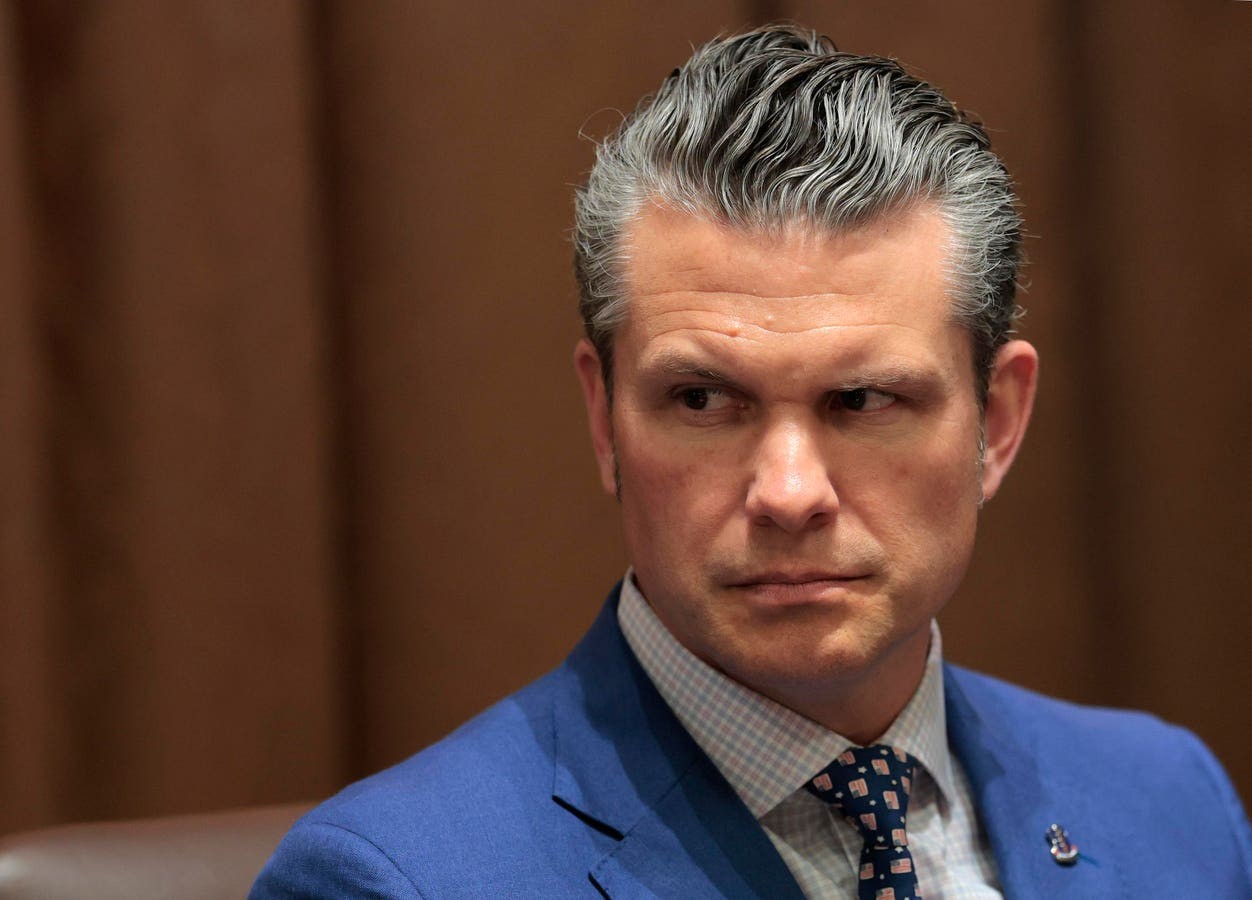
Defense Secretary Pete Hegseth has announced a significant change in military health policy: annual influenza vaccinations are now voluntary for all Active and Reserve Component Service members, as well as Department of War civilian personnel.
While the decision marks a departure from long-standing medical protocols, it raises critical questions regarding the future of force readiness and the military’s ability to maintain “fighting strength” during a biological crisis.
A Departure from Tradition
For nearly 250 years, U.S. military doctrine has prioritized the health of the collective to ensure combat effectiveness. This policy shift appears to align with a broader trend within the current administration toward vaccine skepticism:
- Reinstatement of Personnel: Following his return to office, President Trump signed Executive Order 14184, allowing service members discharged for refusing COVID-19 vaccines to be reinstated with full benefits.
- Regulatory Shifts: HHS Secretary Robert F. Kennedy Jr. has moved to reshape vaccine guidance, including replacing the CDC’s advisory committee and emphasizing personal choice over standardized recommendations.
- Funding Reductions: In August 2025, HHS canceled nearly $500 million in contracts previously dedicated to mRNA vaccine development—the very technology essential for rapid response to new pandemic strains.
The Historical Cost of Disease
The decision to make vaccines optional overlooks a grim historical reality: disease has often been more lethal than combat.
The 1918-1919 influenza pandemic serves as a stark warning. Likely originating in military environments—such as Camp Funston in Kansas—the virus spread rapidly through crowded barracks and troop transports. The consequences were catastrophic:
* Massive Mortality: Between 50 million and 100 million people died globally.
* Targeting the Force: Unlike most flus, the 1918 strain targeted young adults—the exact demographic of a fighting force.
* Combat Parity: By the end of 2018, influenza had killed approximately 45,000 U.S. soldiers, nearly matching the 53,402 deaths caused by enemy combat.
Protecting the “Fighting Strength”
Military leaders have historically viewed medical intervention as a strategic necessity rather than a personal preference.
“Necessity not only authorizes but seems to require the measure, for should the disorder infect the Army in the natural way… we should have more to dread from it than from the sword of the enemy.” — General George Washington, 1777
This philosophy is echoed by Major Jonathan Letterman, the “Father of Battlefield Medicine,” who argued that medical officers exist not just to treat the wounded, but to keep an army “vigorous” and “efficient” for combat.
In the modern era, the loss of unit cohesion due to illness can paralyze high-tech operations. A recent example occurred in 2020 with the USS Theodore Roosevelt. Despite strict precautions, a COVID-19 outbreak infected over 1,200 sailors and forced the aircraft carrier to remain docked in Guam for two months, severely impacting naval deployment capabilities.
Looking Ahead: The Command Dilemma
The new guidance is not an absolute mandate; Hegseth’s memo allows individual services and component commands to request exceptions to the voluntary policy within a 15-day window.
However, recent leadership shifts—including the dismissal of Army Chief of Staff Randy George—may create a climate of hesitation. If commanders choose to opt out of the voluntary policy and maintain mandatory vaccinations, it could serve as a significant signal to Pentagon leadership regarding the risks to operational readiness.
Conclusion: By moving influenza vaccinations from a requirement to an option, the Department of Defense risks undermining the biological resilience of its units, potentially trading long-term combat readiness for short-term policy shifts.