Let’s cut the fluff.
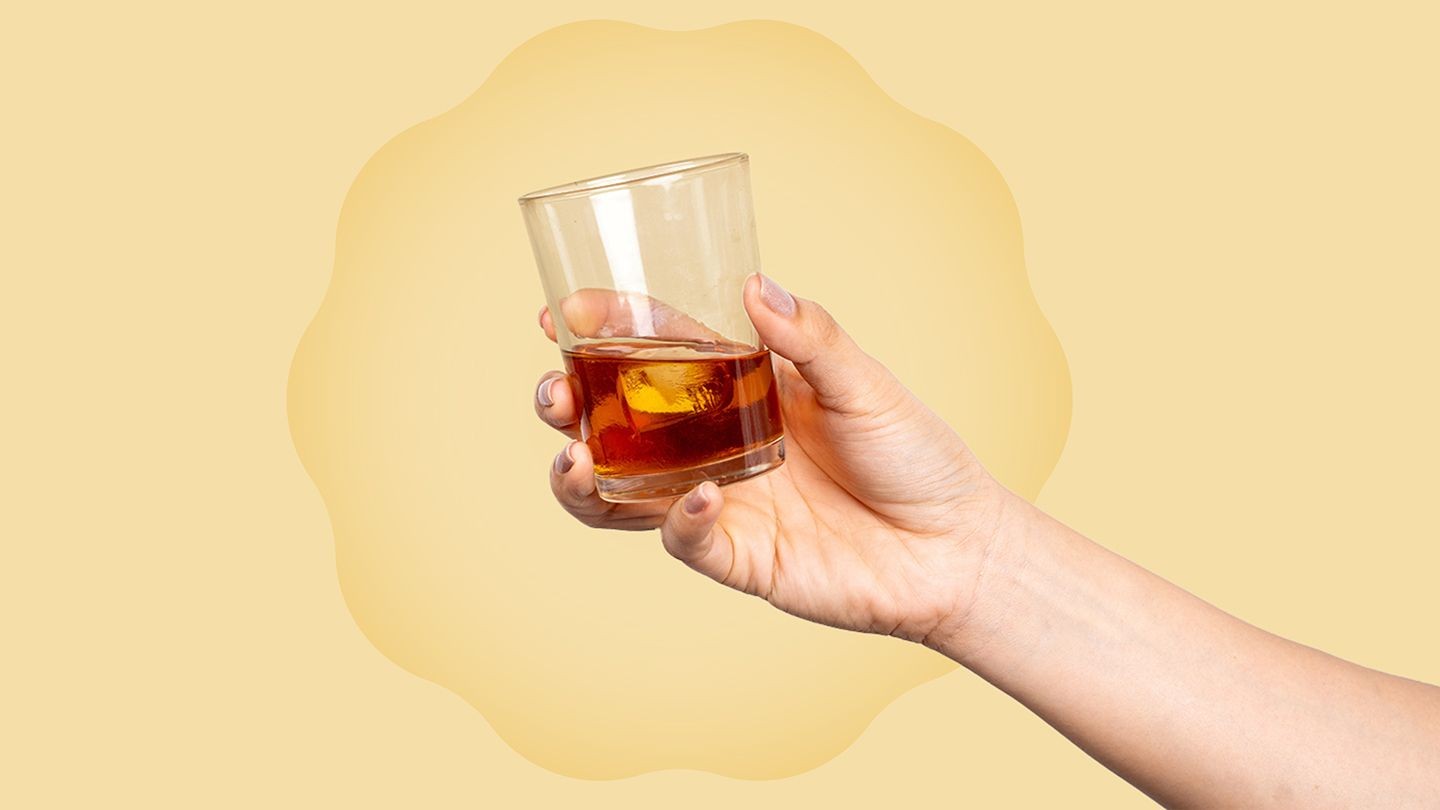
You have metastatic breast cancer. The doctors have the scans, you have the shakes, and you’re wondering if having a drink tonight will actually kill you. The short answer is: maybe. The long answer is also: maybe.
Major health organizations say alcohol is a primary risk factor for cancer. No amount is safe. Not a sip. Not a taste. But life with cancer is messy, and strict abstinence feels like another weight to carry.
“It’s hard to be absolute,” says Dr. Naomi Y. Ko, a medical oncologist. “But given what we know… avoid and decrease usage if possible.”
The Carcinogen Class
Alcohol is in Group 1.
Same bucket as asbestos. Same bucket as tobacco. Strong evidence says it contributes to cancer development.
The stats are grim but precise:
- 1 drink/day: 10% higher risk of breast cancer
- 2 drinks/day: 18% higher risk
- 3 drinks/day: 22% higher risk
Once you already have the cancer, the data gets fuzzier. Will alcohol speed up tumor growth? Will it make you weaker? Researchers suspect it might.
Why Your Body Rebels
Alcohol does three bad things. Mostly all at once.
First, it turns into acetaladehyde. This stuff is toxic. It mucks up your DNA and wrecks cellular function. Dr. Ajaz Khan, an oncologist at City of Hope, calls it a known carcinogen. Then there’s oxidative stress. Inflammation. Broken cells growing out of control. If your current tumors are happy enough, they might invite guests.
Second, it spikes your estrogen.
Seventy percent of U.S. breast cancers are estrogen-receptor positive. They eat hormones for breakfast. You pour alcohol in, your estrogen goes up, the cancer feeds. If your cancer is ER-positive, Dr. Khan says, stay far away.
Third, your immune system tanks.
Temporary weakness is one thing. You are getting treated, likely compromised. Viral and bacterial infections love that environment. Why add more fuel to the fire?
Medication Mix-ups
Chemo is hard. Hormone therapy is harder when mixed with spirits.
Both your drugs and the ethanol in your wine are processed by your liver. The organ gets confused. Or overloaded. Katie McLean, a senior dietitian at Houston Methodist, explains that consistent drinking impairs the body’s ability to metabolize life-saving drugs.
Side effects get worse, too.
Nausea hits harder. You dehydrate faster. Mouth sores stay sore. You already feel terrible enough.
The Myth of the “Healthy” Drink
No, wine isn’t special.
Organic red? No. Lite craft beer? No. Distilled spirits? No.
“It is the total volume of ethanol,” Dr. Khan notes. The sugar and the organic label don’t cancel out the ethanol damage. The biology doesn’t care about your marketing choices.
Alternatives That Aren’t Sad
If you’re drinking anyway, you’re risking liver strain. But if you decide the risk is worth it for one night—really?—make sure it’s actually pleasant.
Try serving alcohol-free beer in a champagne flute. Garnish it. Make it look like something you paid for.
- Infuse water with mint or cucumbers
- Drink herbal teas
- Make proper mocktails
Dr. Ko reminds us that we have to balance survival with living.
Special occasions matter. Social connections matter. We make choices every day. Take the risk you can stomach. Literally.
“The less alcohol the better.”
If you must drink, keep it to one for women, two for men, though the ACS says zero is the target. Hydrate aggressively. Alcohol dehydrates you. Chemo dehydrates you. Double trouble.
Watch how you feel. 24 hours. 48 hours. Headaches? Sleep issues? Dizziness? Tell your care team. They won’t judge, mostly.
Just don’t say nobody told you.
What happens after you put the glass down?