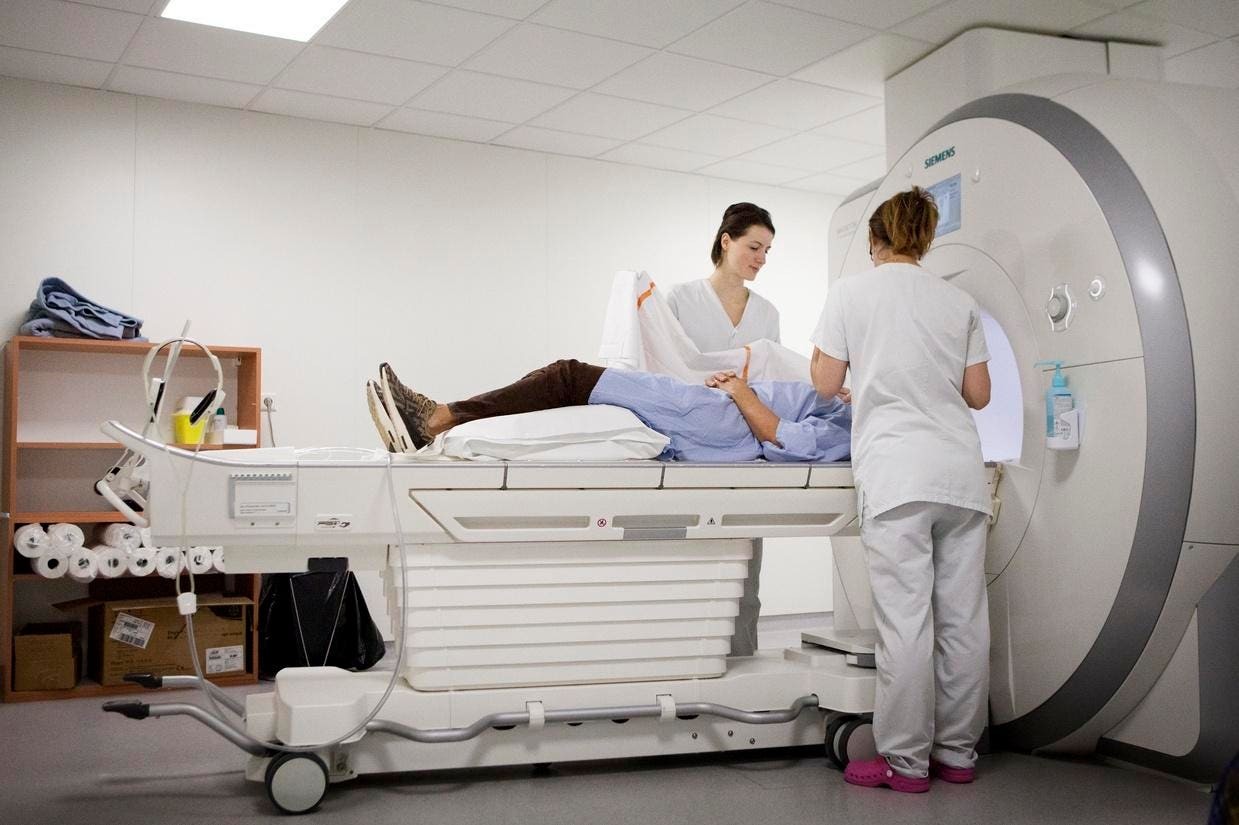
The marketing machine is in full swing. Influencers and sleek companies are telling you that a whole-body MRI or ultrasound is the smartest health purchase you can make. They call it lifesaving. They promise early detection. It feels good, right?
It isn’t.
For people without symptoms, these scans are mostly useless. Worse, they’re harmful. They create anxiety where none existed before.
The Hype vs. The Truth
You’ve seen the ads. Direct-to-consumer messages promising a quick, non-invasive way to spot cancer or aneurysms before they hit. The idea is seductive. Pay once. Sleep soundly.
But here’s the problem: major medical organizations hate it. The American Cancer Society? No. The American College of Radiology? Also no. They do not recommend these scans for healthy people with no specific risk factors.
There is a difference between targeted medicine and fishing expeditions. If a doctor suspects breast cancer in a high-risk patient, they might order a breast MRI. It’s precise. It looks at one specific area. A whole-body scan throws that logic out the window. It images everything in one session. MRI or ultrasound. It doesn’t matter. The result is usually noise.
It hurts your wallet, too
Expect to pay between $1,000$ and $3,50$0. Cash upfront. Insurance won’t touch it. Why? Because the medical community doesn’t believe it adds value.
Doctors reject the practice because it isn’t cost-effective or clinically effective. One person gets an “incidental finding” — a blurry spot on an organ — and suddenly they need follow-up CT scans. Radiation. Biopsies. A spiral of procedures hunting for a ghost that never would have caused pain in their lifetime.
The American College of Radiology notes there isn’t “sufficient evidence” for screening asymptomatic patients with no risk factors or family history.
Good findings are rare
Jason Ryan, a cardiologist, puts it bluntly. Sure, whole-body imaging could find something treatable early. That’s the ideal outcome. It rarely happens.
Most of the time, the scan shows:
- Normal tissue that looks weird (a false alarm).
- Harmless abnormal tissue (left alone, it’s fine; tested, it hurts you).
- Lethal disease that can’t be fixed anyway (pure terror).
The odds of finding something useful are microscopic. The odds of triggering an invasive follow-up test are high. You aren’t just hurting yourself. You’re clogging up hospitals.
Ultrasounds have blind spots
Maybe you’ll try an ultrasound instead. It’s safer. No radiation.
It also misses things. Venk Murthy at the University of Michigan explains the physics simply. Bone and air cast shadows. The gut moves around. The images get muddy. An ultrasound can’t see everything it claims to.
Start with history, not hardware
In real medicine, scans are the last step, not the first. A doctor talks to you. Checks your reflexes. Listens to your chest. Then, if the puzzle doesn’t fit, maybe an MRI comes out of the drawer to confirm a guess.
Whole-body scanning inverts that. It assumes you need to be scanned before anyone asks you a single question. It turns healthy, worried people into patients.
And what for? To feel something is wrong? To fix things that never needed fixing? The net benefit isn’t just zero. It’s negative.
So next time someone slides a flyer across the table promising total visibility, think twice. The blind spots are bigger than you think.