The NASCAR Nextel Cup Series wasn’t just a rebrand. It was a structural overhaul designed to inject urgency into a sport that had grown stagnant. When R.J. Reynolds Tobacco walked away after the 2003 season, NASCAR didn’t just swap logos. They swapped the entire logic of how a champion was crowned. The old Winston Cup days were gone. No more flat points for every race regardless of distance or prize purse. The sport needed a new identity. Nextel, the telecommunications giant, stepped in. But they didn’t just write a check. They demanded a system that forced drama.
The Points System That Fueled the Chase
The new era split the season into two distinct acts. The first 26 races were a grinding marathon across tracks in the United States. Drivers accumulated points based on finish position. But it wasn’t just about crossing the line first. You had to survive. You had to lead.
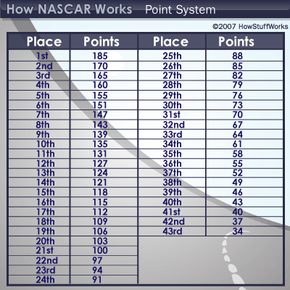
Here is the breakdown of how points flowed during those initial races:
- Winner: 185 points
- Second place: 175 points
- Third place: 170 points
- Fourth place: 165 points
- Fifth place: 162 points
- Sixth place: 160 points
- Seventh place: 158 points
- Eighth place: 155 points
- Ninth place: 153 points
- Tenth place: 152 points
- 11th–15th place: 150 points, decreasing by one point per position down to 146 points
- 16th–20th place: 145 points, decreasing by one point per position down to 141 points
- 21st–30th place: 140 points, decreasing by one point per position down to 131 points
- 31st–40th place: 130 points, decreasing by one point per position down to 121 points
- 41st and lower: 120 points
Beyond raw finishing position, NASCAR incentivized pace. If you led even one lap, you grabbed five extra points. If you dominated and led the most laps, you took five more. That meant a perfect race performance could yield 195 points. 185 for the win. 5 for leading a lap. 5 for leading the most. It was a high-stakes arithmetic.
Resetting the Board for the Final Ten
The first 26 races served a specific, brutal purpose. They filtered the field. The top 12 drivers advanced. Their current point totals? Deleted. Scrubbed. They started the final ten-race competition, known as the Chase for the NASCAR Nextel Cup, with a blank slate of 5,000 points each.
The Chase format reset the standings to force a head-to-head battle in the final ten races, creating a distinct playoff atmosphere unlike any other in motorsports.
But you didn’t start with zero credit. NASCAR rewarded early dominance. Each win secured during the first 26 races gave a driver a 10-point bonus heading into the playoff. So a driver with three wins started with 5,030 points. The field was tight. The margin for error vanished.
The points distribution in these final ten races followed the same structure as the regular season. First place took 185. Second took 175. And so on. The goal was simple. Accumulate more points than anyone else over those final ten weekends.
The Drama and the Discord
This system, tweaked in 2007 to its final form, did what NASCAR wanted. It kept the title fight alive until the checkered flag waved at the season finale. Sometimes a driver could clinch with three races left. A massive lead could protect them. But often, you had to wait. You had to watch. It brought a level of tension that other racing series lacked.
It wasn’t universally loved. Purists grumbled. They argued that the first 26 races became meaningless filler. Why compete fiercely in May if the standings get wiped in October? They felt the Chase diluted the importance of consistency. They claimed the intense competition promised by the format rarely materialized. Instead of a three-way battle for the title, they saw a duel between just two drivers. The field was too spread out. The drama was too binary.
From Moonshine to Mainstream
The roots of this high-tech, high-drama sport are muddy. Literally. NASCAR traces its lineage back to the post-Prohibition era. Bootleggers were running moonshine. Home-distilled alcohol that hit hard. It wasn’t illegal to drink. But it was illegal to skip the taxes. The makers didn’t want to pay. So they needed cars that could outrun the IRS.
They built stock cars with reinforced suspensions and massive engines. They drove on dirt roads in the mountains. No lights. Night driving. High speeds. Pure instinct. When professional racing emerged, these moonshine runners found their skills