Healthy options on fast food menus don’t help you.
They actually make you eat worse.
It sounds crazy, doesn’t it?
It’s a psychological glitch.
A massive one.
Calorie Counts Fail
Remember 2017.
National chains started printing calorie counts.
Great idea, right.
People get information, make smart choices, stay fit.
It was supposed to work.
It didn’t.
The labels shaved off an average of eight calories per meal.
Eight.
That is nothing.
You could predict this outcome easily.
Why.
Because industry response tells the story.
When people hate a rule, they fight it hard.
If they barely fight it, it’s useless.
McDonald’s voluntarily released calorie data in 2012.
Why.
Because New York City’s mandatory labels failed.
They realized it didn’t stop Big Mac attacks.
But it did something else.
It boosted perceptions that the restaurant cared about your well-being.
Cynical.
Effective.
The Salad Trap
Here is where it gets weird.
Add a healthy item.
Watch people eat less healthy items.
True.
Think about sides.
Fries or a baked potato.
10% pick fries.
Easy choice.
Add a salad.
Now you have three options.
Salad, potato, fries.
You assume people split up.
Maybe 5% take the salad.
Maybe the rest take the potato.
Wrong.
Fries go from 10% to 33%.
Tripling.
Just because the salad was there.
Same thing with burgers.
Cheeseburger, chicken sandwich, fish sandwich.
17% take the burger.
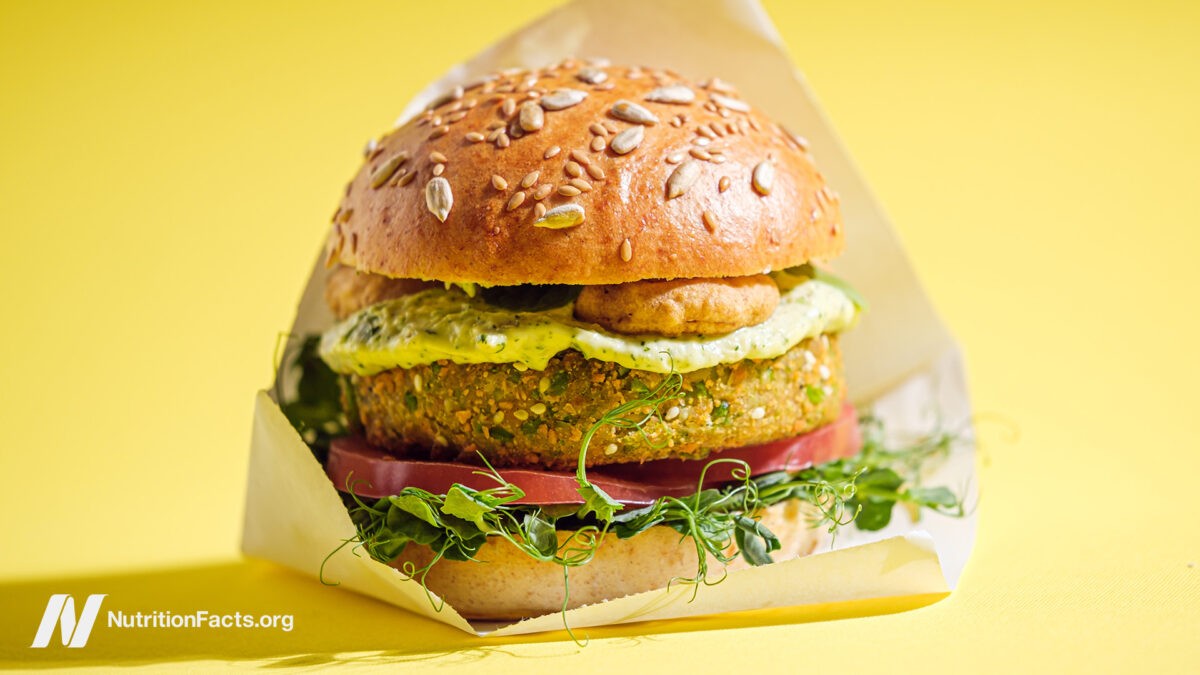
Swap fish for a veggie burger.
Burger choice doubles to 37%.
How does seeing health push you toward junk.
The Mental Loophole
The researchers called it “Vicarious Goal Fulfillment.”
The presence of the healthy option lets you indulge.
Why.
Because you can promise to do better later.
It’s self-licensing.
A glitch.
You do one good thing, feel licensed to do a bad thing.
Eat a donut because you lost weight last week.
It’s backward logic.
It happens with smoking too.
Give smokers “vitamin C.”
Actually just sugar pills.
Placebos.
Tell one group they have vitamins.
Tell the other group they are placebos.
Both get the same sugar.
The vitamin group smokes almost twice as much.
Why.
They feel healthy.
They feel they earned the smoke.
The placebo group stays wary.
The vitamin group walks a third less.
Chooses buffet over organic food.
Eats more candy.
There is a price to paid for perceived protection.
The curse of licensed self-indulcence.
It’s not just smoking.
It’s dieting.
Weight loss supplements (that aren’t supplements) made people eat more.
Less healthy items.
30% more candy.
They trusted the pill.
So they ruined their diet.
What the Hell
Consider this.
Even the idea of progress causes license.
It isn’t just taking a step forward.
It is thinking you stepped forward.
Studies showed this isn’t a moderate shift.
It’s an all-or-nothing crash.
Oreos.
Chocolate covered, regular, golden.
100% junk.
Add a “low-cal” Oreo.
Suddenly, chocolate covered Oreos become the favorite.
Double the likelihood.
It’s the “What the Hell” effect.
Dieter eats one cookie.
Ruined the goal.
Might as well eat the box.
Here, the healthy salad exists as a future promise.
So the current decision feels safe.
Might as well get the biggest burger.
The Health Halo
Look at the food.
Guess the calories.
A burger alone.
People guess 734 calories.
Accurate enough.
Now add three celery sticks.
Same burger.
People guess 619 calories.
Celery doesn’t have negative calories.
But it feels like it does.
The burger seems healthier just by standing next to green stuff.
Apple on a waffle sandwich.
Salad next to chili.
Carrots next to cheesesteak.
About a hundred calories vanish in the mind’s eye.
Magic.
Not really.
Subway vs. McDonald’s.
Get a sub at Subway.
Feels healthy.
Order dessert.
Sugary drink.
The sub itself has 50% more calories than the Big Mac.
But the label changes behavior.
Just show the words.
Big Mac ad.
Add text: “For your health, eat five fruits a day.”
Same burger.
People think it has fewer calories.
From 646 to 503.
The ad text rewired the brain.
McDonald’s wins.
You feel virtuous.
They sell loyalty.
You lose health.
The system is designed this way.
The salad stays on the menu.
The burger stays in your stomach.
And next time, you really will try to order the salad.
Probably.
“Vicarious goal fulfillment is when the mere presence of a healthy option leads to an ironically indulgent decision.”