Colorectal cancer isn’t just creeping up. It’s marching.
Third most diagnosed cancer in the US. Third leading cause of cancer death. And for people under 50? The rates are spiking. For decades, doctors handed out clipboards full of specific instructions. Eat fiber. Avoid red meat. Choke on kale. It felt like a grocery list with teeth.
But maybe the list is wrong. Or at least, incomplete.
A new study looked at more than 100000 adults. Big data. The kind of data that drowns out the noise. Participants were tracked over years in the PLCO trial. Researchers didn’t ask about individual nutrients. They used the HEI-202 index. It’s a USDA tool. It measures how well your eating habits match federal guidelines. It doesn’t care if you ate the “perfect” superfood. It cares about the whole picture.
Here’s what they found.
The Numbers Don’t Lie
People with the highest quality diets had a 39% lower risk of dying from colorectal cancer.
Compared to the people with the worst scores? That is a massive drop. Not just for the top scorers. As diet quality ticked up even a little bit. Risk went down. A gradual slope. A gentle hill down instead of a cliff edge.
It wasn’t limited to one spot. The study looked at the whole colon. The lower part? Lower risk. The upper part? Fewer deaths. Even rectal cancer showed a trend downward.
The mechanism? Maybe. Probably fiber. But the index doesn’t isolate fiber. It captures the pattern. The pattern just happens to be fiber-heavy. Whole grains. Legumes. Greens. These things feed good gut bacteria. The bacteria make butyrate. Butyrate fuels colon cells. Keeps the lining intact. Less time for bad stuff to stick. Faster transit. Less damage. It’s basic biology dressed up as statistics.
What Actually Counts?
You can’t game the HEI. It has 13 components. You get points for adding things. You lose points for adding trash.
Add this:
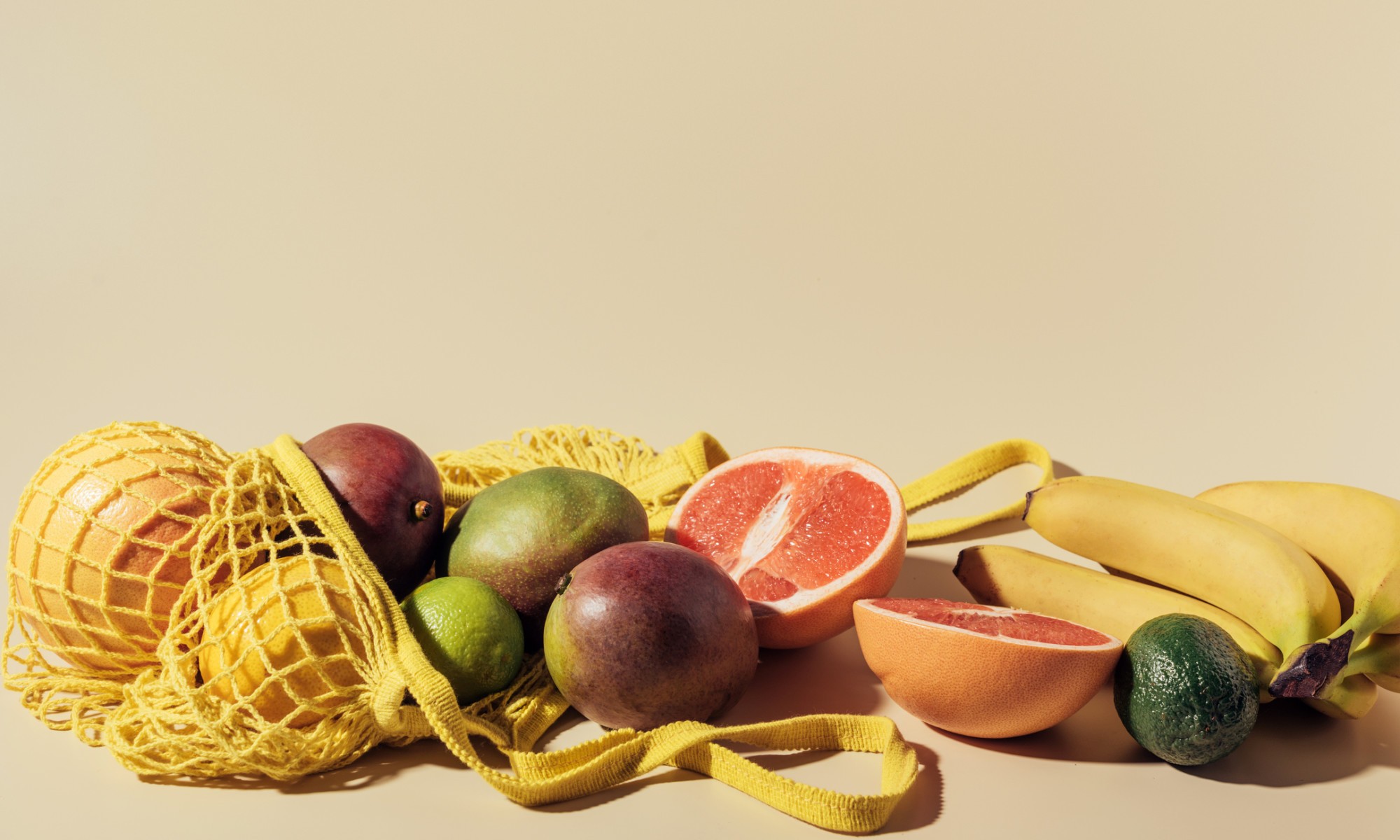
– Fruits. Real ones. Not juice. Whole fruit gets better scores than juice, even 10% pure.
– Veggies. All of them. Especially the dark greens. Beans count twice here. As veggies. As protein.
– Whole grains. Not the white bread on your desk.
– Healthy fats. Unsaturated wins.
– Seafood. Aim for two times a week. Omega-3s are nice. But the fish itself is the prize.
– Plant proteins. Nuts. Seeds. Soy.
Stop doing this:
– Refined grains. White rice is empty calories with a side of sodium.
– Sodium. High salt pulls the score down.
– Added sugar. If it wasn’t in the fruit tree. Don’t add it.
– Saturated fat. Too much fatty meat or full-fat dairy drags you down.
It’s not rocket science. It’s just hard to do when convenience stores are everywhere.
Why Incremental Wins Matter
Do you need a perfect 100?
No. The data shows improvement helps. Moving from terrible to okay drops the risk. Moving from okay to great drops it more. You don’t need to live in a cave eating raw grain to benefit. You just need to change the direction of your diet.
Try these shifts.
Swap the bread. White to whole wheat. One swap improves two metrics. Easy.
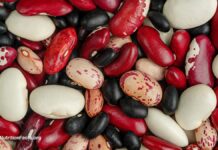
Eat a handful of lentils. Beans are the unsung heroes. Cheap. Durable. High fiber. High protein.
Eat an apple. Drink an orange. Wait. No. Eat the orange. Juice skips the fiber benefit. Fiber moves waste through you. Speed is safety.
Kill the processed snacks. They are loaded with salt. Sugar. Refined starch. Triple penalty on the HEI index.
Go dark on the greens. Spinach. Kale. Arugula. Broccoli. The darker it is. Usually, the more points it earns.
This study strips away the magic bullet myth. There is no single herb. No miracle berry. Just the slow grind of consistent, decent food. The 39% reduction in death risk is stark. But the real takeaway is smaller. It’s daily.
Does your lunch today move the needle? Or does it just sit there, waiting to be digested into regret?
You have until tomorrow to try again.