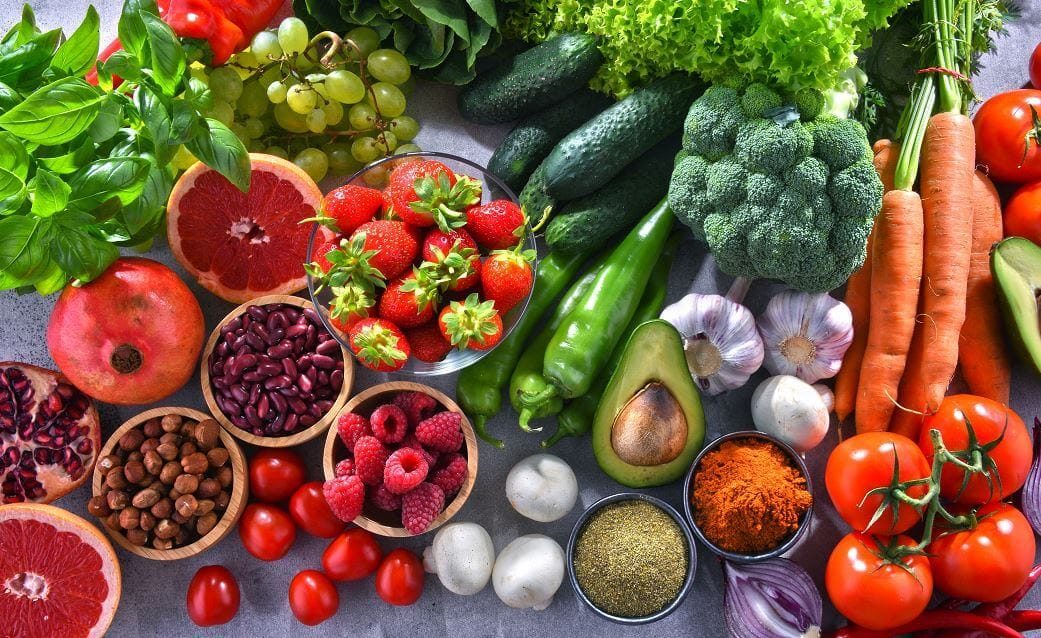
Inflammation is not a bug. It is a feature. When your body detects a threat, it sends in the troops. Microbes, bacteria, or foreign substances trigger a natural defense mechanism. This response is usually temporary. It helps you heal.
But sometimes, the alarm never turns off.
Chronic inflammation sticks around. It lingers in the background, even when there is no immediate injury to fight. The result is persistent pain. More importantly, it raises the statistical probability of developing severe conditions. Heart disease. Arthritis. Diabetes. These are not random bad luck events. They are often the downstream effects of a body that cannot calm down.
Fortunately, you can intervene. Food is not just fuel. It is information. Certain dietary choices help dampen the inflammatory response. Others fuel the fire.
Here is how to start using your grocery list as a tool for long-term health.
Why Chronic Inflammation Matters
Most people associate inflammation with a swollen knee after a fall. That is acute inflammation. It is visible. It hurts. It resolves.
Chronic inflammation is different. It is silent. It operates at a cellular level. Over time, this low-grade state of alert damages tissues and organs. It disrupts normal biological processes.
“Inflammation is the root cause of many modern diseases, yet it is often overlooked until significant damage has occurred.”
Understanding this distinction is the first step toward prevention. You do not need to eliminate all inflammation. You need to stop it from becoming a permanent state.
Anti-Inflammatory Foods to Consider
While no single food acts as a cure, a pattern of eating can significantly lower inflammatory markers in the blood. Researchers have identified several dietary staples that consistently show anti-inflammatory properties.
1. Fatty Fish
Salmon, mackerel, and sardines are rich in omega-3 fatty acids. These fats are essential for controlling inflammation. They block the production of substances that cause inflammation. A study published in the Journal of the American Heart Association links regular consumption of fatty fish to reduced risk of heart disease.
2. Berries
Strawberries, blueberries, and raspberries are packed with antioxidants called anthocyanins. These compounds give berries their vibrant color. They also neutralize free radicals. Free radicals cause oxidative stress. Oxidative stress triggers inflammation. Eating a cup of berries daily may help protect cells from this damage.
3. Leafy Greens
Spinach, kale, and Swiss chard are nutrient-dense. They contain vitamins A, C, and K. They also provide potassium and magnesium. These minerals support overall cellular function. A diet rich in leafy greens is associated with lower levels of C-reactive protein (CRP). CRP is a marker of inflammation.
4. Cruciferous Vegetables
Broccoli, cauliflower, and Brussels sprouts contain sulforaphane. This compound helps regulate the Nrf2 pathway. The Nrf2 pathway controls the body’s antioxidant response. It also reduces inflammation. Cooking methods matter. Steaming preserves more nutrients than boiling.
5. Nuts and Seeds
Walnuts, almonds, chia seeds, and flaxseeds are excellent sources of healthy fats. They contain fiber and plant sterols. These components support gut health

Celery and Chinese Cabbage
If you usually treat celery as little more than a crunchy vehicle for peanut butter, it is time to upgrade that habit. This herbaceous plant from the apiaceae family is not just fiber and crunch. It is a delivery system for vitamin K, folate, potassium, and vitamin C. The antioxidants here are significant enough to help dial down systemic inflammation. Good digestion and stabilized blood pressure are also on the menu.
You have options beyond the standard stalks. Celery root offers a different texture for soups and roasts. Leaves are often discarded but packed with flavor. Even regular celery stalks work raw or cooked. The goal is simply getting it into your diet because the anti-inflammatory payoff is real.
Bok choy, or Chinese cabbage, is another leafy green that deserves more space on your plate. It belongs to the brassicaceae family, right next to cauliflower and kale. The texture is crisp. The taste is mildly sweet. It fits easily into Asian-inspired cooking but works just as well in a simple stir-fry or eaten raw in a salad.
Why choose this specific green? It is low in calories, which makes it friendly for weight management plans. But the nutritional density is the real draw. You get vitamin A, vitamin C, calcium, fiber, and iron. The anti-inflammatory properties are well-documented. It is an easy win for your health metrics without adding significant calories to your daily intake.
Spinach and Salmon
Spinach is often treated like background noise in smoothies or salads. It should be the main character. These dark green leaves are loaded with flavonoids. These compounds act as natural anti-inflammatories within the body. They also support digestion and help your system absorb other nutrients more efficiently.
The vitamin profile is impressive. We are talking about vitamins C, K, and A, plus folate and dietary fiber. Whether you eat it raw or wilted with garlic, the benefits remain. The key is consistency. Adding spinach to your daily meals provides a steady stream of these protective compounds.
Then there is salmon. It is not just a pretty fish on a restaurant plate. It is one of the best sources of omega-3 fatty acids available. These essential fats reduce inflammation throughout the body. They also lower the risk of cardiovascular disease. There is emerging evidence linking them to better outcomes in diabetes and certain cancers.
Protein is abundant in salmon, along with a wide array of vitamins and minerals. If you can, choose wild-caught salmon over farmed. Wild salmon generally has a higher quality of omega-3s. It also tends to have fewer contaminants. You are paying for cleaner, more potent nutrition.
Beets and Broccoli
Beets are earthy and vibrant. They shine in salads, soups, and purées. The color alone suggests potency. This comes from betanin, a powerful antioxidant. It functions as a recognized anti-inflammatory agent. Beets also provide magnesium, which your body absorbs easily. It is a colorful way to combat inflammation.
Broccoli hails from Italy and belongs to the brassicaceae family. It is a nutritional powerhouse. It contains vitamins C, K, and A, along with folate, potassium, fiber, and iron. It is almost too good to be true for anyone trying to eat healthier.
Eating broccoli cooked or raw helps fight chronic inflammation. It can also ease joint pain. The combination of nutrients works synergistically to protect your joints and internal systems. Do not overcook it to mush. Keep it tender-crisp to preserve those enzyme activities.
Grapes and Blueberries
Grapes are more than a sweet snack. They are rich in polyphenols. These are antioxidant molecules that protect the cardiovascular system. They also carry anti-inflammatory properties. You can find polyphenols in fresh grapes, grape juice, and even red wine. Moderation applies to the wine, of course.
Blueberries are small but mighty. You can eat them fresh, blend them into coulis, or bake them into desserts. They are packed with vitamins C and K, manganese, and antioxidants. But the real star here is quercetin. This is a particularly strong anti-inflammatory compound.
If you suffer from inflammation, blueberries are a practical addition to your routine. The combination of quercetin and other antioxidants makes them effective. They are easy to snack on. They require no cooking. They fit into any diet without disruption.
Pineapple and Nuts
Pineapple is a tropical fruit with a tangy, crisp flesh. It grows on herbaceous plants originally from South America. Now cultivated in many tropical and subtropical regions, it is a staple for good reason. Doctors recommend it for balanced diets. It is rich in vitamin C, manganese, and fiber.
The secret weapon in pineapple is bromelain. This enzyme is a potent anti-inflammatory agent. It helps break down proteins and reduces swelling. You can eat it fresh, juice it, add it to fruit salads, or blend it into smoothies. It even works in savory dishes. The versatility makes it easy to incorporate regularly.
Nuts are another excellent choice for controlling chronic pain and inflammation. Walnuts, almonds, and hazelnuts are particularly noted for their anti-inflammatory properties. They are rich in lipophilous substances and tocopherols. These are natural antioxidants that protect your cells from free radicals.
If you have persistent joint pain or inflammatory issues, reaching for a handful of nuts can help. They are calorie-dense, so portion control matters. But the anti-inflammatory benefits outweigh the calories for most people. They are a convenient, shelf-stable source of health.
Papaya and Turmeric
Papaya is an exotic fruit that delivers beta-cryptoxanthin. This compound is a known anti-inflammatory. It helps alleviate chronic pain. To get the full benefits, you might need to consume about half a papaya daily. It is a delicious way to manage inflammation naturally.
Turmeric has been used for millennia in Ayurvedic medicine. It belongs to the ginger family. Its anti-inflammatory properties are well-established. It treats joint pain, digestive issues, and even some infections. It adds a warm, earthy flavor to curries, soups, and rice dishes.
The use of turmeric is not new. It is a time-tested remedy. Modern science is catching up to what traditional practitioners have known for years. It is a simple ingredient to add to your cooking. A little goes a long way.
Dark Chocolate
Dark chocolate is often viewed as a guilty pleasure. It should be viewed as a functional food. The key is the cocoa content. Higher percentages mean more flavonoids. These are powerful antioxidants. They reduce inflammation and improve blood flow.
Choose dark chocolate with at least 70% cocoa. Milk chocolate has too much sugar and not enough cocoa solids to offer significant benefits. A small square can provide a boost of antioxidants without derailing your diet. It satisfies cravings while supporting your health goals.
The anti-inflammatory effects of dark chocolate are real. They are not exaggerated. The flavonoids protect your blood vessels. They help maintain healthy blood pressure. It is a treat that works for you.
Putting It Together
Inflammation is often silent until it causes pain or disease. Diet is one of the most powerful tools we have to manage it. These foods are not magic bullets. They are part of a larger strategy. You will not cure chronic conditions by eating one celery stalk. But you can build a foundation of health that resists inflammation over time.
The variety matters. Eating a rainbow of colors ensures you get a wide range of antioxidants and nutrients. Celery, bok choy, spinach, salmon, beets, broccoli, grapes, blueberries, pineapple, nuts, papaya, turmeric, and dark chocolate cover a lot of ground. They offer different mechanisms of protection.
Start with small changes. Add blueberries to your morning oats. Swap chicken for salmon twice a week. Use turmeric in your evening curry. These are manageable steps. They do not require a complete lifestyle overhaul. But they add up.
Your body responds to what you feed it. Inflammation is a signal. Listen to it. Food is information. Choose foods that send the right message.
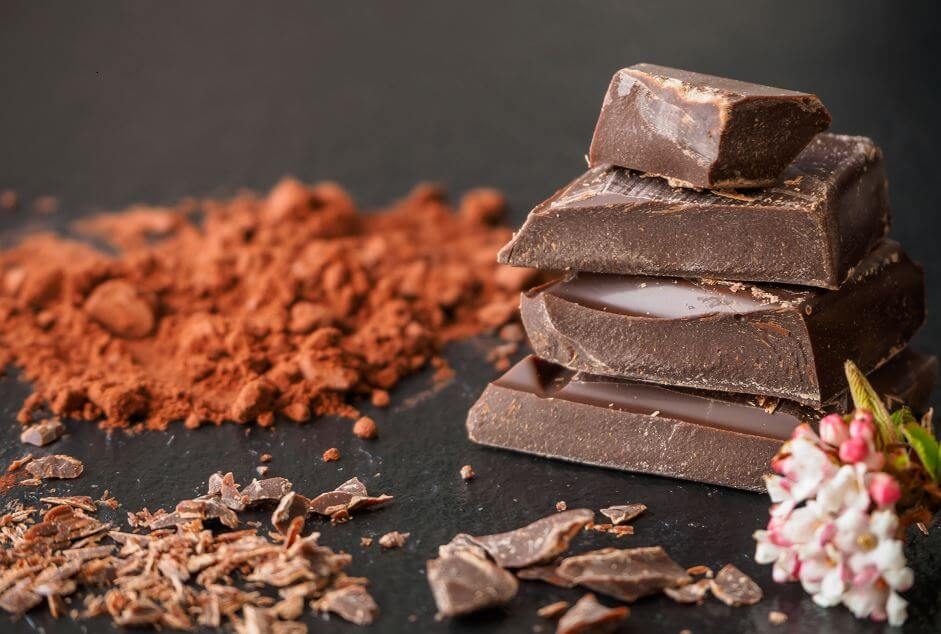

You start running toward the chocolate counter. Good instinct. That impulse is backed by science. Dark chocolate isn’t just a guilty pleasure. It is dense with flavonols. These are powerful antioxidants. They help blood circulate more freely. They also dampen inflammation. So, take a bite. No guilt required. Just biology doing its quiet work.
Why Cherries Beat the Heat
If you have a tree in your yard, don’t hesitate. Pick those small, sweet-tart fruits. They are packed with vitamin C. Potassium is there too. Dietary fiber plays a role. But the real headline is the antioxidant profile. Cherries are famous for lowering inflammation. The secret weapon? Anthocyanins. These plant compounds give the fruit its deep red hue and fight oxidative stress effectively.
The Role of Mineral Water
To round out this top tier of anti-inflammatory foods, look at your tap or bottled water. Specifically, seek out mineral waters rich in bicarbonate. It sounds dry. It works quietly. Food-grade bicarbonate helps restore the body’s acid-base balance. When that equilibrium shifts, inflammation can flare. Stabilizing pH levels helps reduce those inflammatory phenomena. It is a subtle mechanism. But it matters.
Putting It All Together
You don’t need a pharmacy cabinet to manage low-grade inflammation. Sometimes the answer is in the produce aisle. Or the candy bin. Or the hydrating water. These foods support circulation. They provide antioxidant defense. They balance internal chemistry.
The evidence is clear for flavonols. The anthocyanin data is strong. The bicarbonate connection is less hyped, but physiologically sound.
“Restoring the acid-base balance is a key mechanism in reducing inflammatory responses.”
This isn’t about curing disease overnight. It is about daily maintenance. Your body is a complex system. It responds to what you feed it. Chocolate darkens the mood? Maybe. It lightens the inflammation? Likely. Cherries protect cells. Alkaline water stabilizes the environment.
Small choices. Cumulative effects. You keep eating. You keep drinking. The changes happen slowly. Quietly. Without fanfare.