
Most men would rather endure silent agony than face the awkwardness of discussing “down there” issues with a physician. This avoidance is especially common when it comes to testicular pain. While the mere thought of scrotal discomfort can induce anxiety, the reality is that many men experience actual pain ranging from benign cysts to varicoceles, which feel uncomfortably like a bag of worms.
Ignoring these signals is a dangerous gamble. The egg-shaped glands in your scrotum serve specific reproductive and hormonal functions, and pain in this area often signals an underlying problem that will not resolve on its own. In severe cases, delaying medical intervention can lead to complications requiring surgery or, in the worst scenarios, the removal of the testicle.
What is an Inguinal Hernia?
Hernias are prevalent among men, yet the anatomy behind them remains a mystery to many. Generally, a hernia occurs when fatty tissue or a segment of the intestine pushes through a weak spot in the abdominal wall. Think of a sausage casing splitting open, allowing the contents to bulge out.
When testicular pain is involved, the likely culprit is an indirect inguinal hernia. This type develops near the junction of the thigh and the body. The connection to testicular discomfort lies in embryology. During fetal development, the testicles descend from the abdomen into the scrotum, following a specific pathway. An indirect inguinal hernia travels along this same route. Consequently, abdominal tissue can migrate into the scrotum, causing the pain and swelling you feel in that region.
Is Testicular Pain a Sign of Cancer?
Here is the reassuring data: testicular pain is rarely the primary symptom of testicular cancer. Only about 10 percent of men diagnosed with the disease report pain. For most, the condition is detected through a palpable lump rather than discomfort.
However, for that minority, pain may indicate a tumor. The sensation might not be sharp agony; it could manifest as a heavy feeling, mild discomfort, or visible swelling. Other warning signs include lower back or abdominal pain, fluid accumulation in the scrotum, and chest tenderness.
The rule of thumb is strict: if you notice any change in the size, shape, or feel of your testicles, see a doctor immediately. Early detection is the single most effective factor in treating testicular cancer successfully.
Who is at higher risk? The odds of developing testicular cancer decrease as you age. Caucasian men face a higher risk compared to other ethnic groups.
Testicular Torsion: A Surgical Emergency
Some causes of scrotal pain are time-sensitive emergencies. Failing to seek immediate care for testicular torsion can result in the loss of the affected testicle.
Torsion occurs when the spermatic cord twists, cutting off blood supply to the testicle. While torque is useful for truck engines, inside the scrotum, it is disastrous. The pain is sudden and severe, typically affecting one testicle. It is difficult, if not impossible, to ignore.
Because the blood flow is restricted, tissue death can occur rapidly. If the testicle is saved, doctors will untwist it and stitch it to the interior of the scrotum to prevent recurrence. A similar procedure is often performed on the healthy testicle. While this surgical intervention sounds intense, it is preferable to the alternative. Once you have experienced the agony of torsion, you will welcome the preventive measure.
Hematocele
A hematocele involves the accumulation of blood within the scrotum, surrounding the testicle. This condition usually results from trauma or injury to the groin area. The collection of blood can cause significant swelling and pain, mimicking other serious conditions. Because blood in the scrotal sac can lead to pressure buildup and potential damage to the testicle, it requires medical evaluation to determine the source of the bleeding and appropriate treatment.

You know the drill. A direct hit to the groin sends a shockwave through the system. For a split second, there’s clarity—a false hope that you got away with it. Then comes the second wave. The nausea. The knees going weak. The kind of pain that makes you question your life choices.
Most of the time, it’s a bruise. You recover. You move on. But sometimes, that impact triggers something worse.
What is a Hematocele?
The testicles aren’t floating in nothingness. They are encased in a multi-layered protective sac. A blunt force trauma can rupture small vessels, causing blood to pool between these layers. This collection of blood is known as a hematocele.
It’s not just a bruise on the skin. It’s internal bleeding in a confined space.
Treatment varies wildly depending on severity. Mild cases? Bed rest. Ice. Anti-inflammatories. Let the body reabsorb the blood. More severe cases might require minor, same-day surgical drainage to relieve pressure.
Here’s the catch: doctors don’t assume every hematocele comes from a kick, a fall, or a misplaced elbow. If there’s no clear external cause, they start hunting. Spontaneous bleeding can signal an underlying tumor or infection. You don’t want to miss a serious internal issue by blaming it on a sports injury.
Understanding Epididymitis
If you aren’t dealing with trauma, you might be dealing with epididymitis. This is inflammation of the epididymis—the coiled tube at the back of the testicle that stores and carries sperm.
It’s one of the most common causes of testicular pain in men under 35. Unlike the sudden, sharp agony of a hit, epididymitis usually develops gradually. The pain builds. It becomes a constant, dull ache that can radiate up into the inguinal canal.
Why Does It Happen?
The causes fall into two main camps: bacterial and non-bacterial.
- Sexually Transmitted Infections (STIs): Chlamydia and gonorrhea are frequent culprits in younger, sexually active men. The infection travels from the urethra to the epididymis.
- Urinary Tract Infections (UTIs): In older men or those with prostate issues, bacteria from the urinary tract can migrate backward.
- Non-Infectious Causes: Heavy lifting. Straining. Trauma. Even certain medications can cause chemical irritation.
Symptoms to Watch For
It’s easy to mistake this for a minor strain. Don’t. Look for these signs:
* Swelling on one side
* Redness or warmth of the scrotum
* Pain when urinating
* Unusual discharge
* Fever (in bacterial cases)
How Is It Treated?
If bacteria are the cause, antibiotics are the standard fix. The key is finishing the full course. Stopping early leads to recurrence. Pain management involves rest, elevation, and NSAIDs.
But here’s the nuance: if the cause isn’t bacterial, antibiotics won’t help. Treating non-infectious epidid

The Epididymis and the Inflammation That Follows
The epididymis isn’t just a passive waiting room for sperm. It is a tightly coiled tube, roughly 20 feet long if you were to unspool it, tucked against the back of each testicle. This length serves two purposes: it provides storage capacity and, more importantly, time. Sperm need time to mature before they are ready to swim.
When that system gets inflamed, the condition is known as epididymitis. Because the epididymis is physically attached to the testicle, the inflammation often spreads, causing general testicular pain. Bacteria are the usual culprits, but they rarely travel through the bloodstream. Instead, they sneak up through the urethra, moving backward into the reproductive tract.
Where do these bacteria come from? Usually, they are either sexually transmitted infections like chlamydia or gonorrhea, or coliform bacteria that originate in the intestines. Less common triggers include the heart medication amiodarone and viral infections like mumps.
The symptoms are distinct. Swelling and redness appear in the testicles. Pain can be sharp, particularly during ejaculation or even during a bowel movement. You might feel an urgent need to urinate frequently, notice blood in your semen, or experience sudden chills. Antibiotics typically resolve bacterial cases, but ignoring the issue allows it to worsen. In severe instances, surgery to remove part or all of the epididymis becomes necessary. The longer you wait for a diagnosis, the more aggressive the treatment needs to be.
Varicocele: The Bag of Worms Sensation
Imagine a mass in the scrotum that feels like a bag of worms when you stand up, only to disappear when you lie down. That sensation is a classic sign of a varicocele.
If you know varicose veins in the legs, a varicocele is essentially the same problem in the scrotum. It involves the enlargement of veins that carry oxygen-depleted blood away from the testicles. The valves in these veins fail, causing blood to pool and build up pressure. The scrotum may feel heavy, like it is stuffed with spaghetti.
Pain varies from mild to severe, and it usually worsens as the day progresses and gravity takes its toll. Because of anatomical positioning, the vast majority of these cases occur in the left testicle. As the veins enlarge, the mass becomes easier to detect physically.
While uncomfortable, varicoceles are highly treatable. Doctors often prescribe anti-inflammatory medications first. If that fails, minor surgery can remove the obstructed veins.
There is a more serious implication to consider. Varicoceles are the leading cause of male infertility, affecting two out of every five infertile men. The heat from the pooled blood can damage sperm production, making conception difficult.
Spermatocele: The Benign Cyst
A spermatocele is a cyst that forms within the epididymis. It starts as a collection of sperm cells, usually at the head of the coiled tube, though it can sometimes develop on the testicle or along the vas deferens. These cysts are benign. They are not cancer.
Many men never know they have one. They are often discovered incidentally during exams for other issues. Most are tiny and cause no problems. However, some grow to several centimeters. When they reach that size, you may feel a sense of heaviness, discomfort, or pain in the testicle.
Treatment is rarely needed. If the cyst is small and painless, the standard approach is monitoring. A doctor will check it periodically to ensure it isn’t growing and to rule out malignancy. If it causes significant suffering, antibiotics might be prescribed to reduce associated inflammation, though the cyst itself remains.
In extreme cases where the pain is unbearable, surgical removal is an option. This is a last resort, though. Removing a spermatocele carries a significant risk of infertility. The procedure can damage the delicate structures of the epididymis, potentially affecting your ability to father children.
Orchitis: Swelling and Systemic Threats
Orchitis is the painful swelling of the testicle itself. It often follows epididymitis, spreading the inflammation directly into the testicular tissue. It can also be caused directly by bacterial or viral infections, including mumps, brucellosis, and certain STDs.
The symptoms are acute. Fever is common. You might see blood in your semen. Pain increases when the penis or testicles are touched, moved, or even just thought about. The sensitivity is so high that casual conversation about the issue can trigger discomfort.
Because the causes vary so widely, quick medical attention is essential. A doctor will run tests to identify the source. Bacterial causes are treated with antibiotics and anti-inflammatories. For comfort, you may need to elevate your scrotum for a few days to reduce swelling.
There is one specific exception where treatment fails: mumps-induced orchitis. At least one-third of males who contract mumps after puberty develop orchitis. There is no cure for the swelling caused by the virus. The damage can be permanent, leading to sterility or shrinking of the testicles.
If the cause is bacterial, prompt treatment usually results in a full recovery. The key is not to wait. Ignoring the pain allows the infection to spread or the inflammation to become chronic.
The Unlikely Culprit: Kidney Stones
Kidney stones might seem unrelated to testicular health, but the connection is direct and painful. The nerves that supply the kidneys also supply the testicles. When a stone moves through the urinary tract, the pain can radiate.
This referred pain is often felt in the groin or testicle. It can mimic the symptoms of epididymitis or torsion. The sharp, cramping waves of pain are distinct from the constant ache of infection. A small stone passing from the kidney to the bladder can cause sudden, intense discomfort in the testicle.
Recognizing this link is important. If you have a history of kidney stones and experience new testicular pain, it might not be a reproductive issue at all. It could be a stone on the move. Doctors will often use ultrasound or CT scans to distinguish between a stone, an infection, or a structural problem like a varicocele. The treatment path differs entirely depending on which culprit is causing the pain.
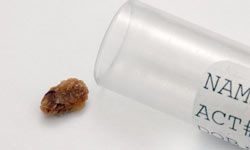
It sounds like a bad joke. You go to the ER. The doctor looks at the ultrasound. Then they say, “The good news is there’s nothing wrong with your testicles. The bad news is that you have a kidney stone.”
It’s a classic diagnostic misdirection. The pain doesn’t start in the scrotum. It projects downward from the kidney.
This is why you should never ignore testicular pain. Sometimes the source is distant. Sometimes it’s urgent. Sometimes it’s both.
Kidney stones are compacted masses of urinary crystals. They form in the kidneys. No one knows exactly why they develop. Or why some men get them and others don’t. But the nerves share pathways. So a stone moving through the ureter feels like it’s coming from the balls.
Most of the time, you pass the stone. You drink water until you’re thirsty. Then you wait. The stone moves from the kidney to the bladder. Then it exits through the urethra. Pain medication helps. But the process is its own punishment.
This brings us to the other side of the coin. The stuff that doesn’t project. The stuff that is exactly where it hurts.
Testicular Rupture: The 72-Hour Window
Some problems are exactly as bad as they sound. Testicular rupture is one of them.
The testicle is wrapped in a protective membrane called the tunic albuginea. A rupture is a tear in that skin-like layer. Blood leaks into the scrotum. Swelling follows. Pain becomes unbearable.
What causes it? Trauma. Always trauma.
A hard hit in soccer. A car crash. A freak accident. Sometimes it’s funny in retrospect. Usually, it’s not.
Time is the enemy here. You have 72 hours. That’s the window to get surgical treatment. If you make it in time, there’s a 4 out of 5 chance the testicle can be saved. Miss the window? Loss of the organ becomes more likely.
This isn’t about fear. It’s about mechanics. Tissue dies. Blood flow cuts off. The clock starts ticking the moment the injury happens.
When to See a Doctor
Lingering pain changes the game. A quick zap from a bike chain? Maybe you wait an hour. Pain that won’t quit? That’s different.
You need to see a doctor. Not next week. Today.
Because testicular pain is tricky. It can be a stone. It can be an infection. It can be a rupture. The treatments are different. The stakes are different.
Treating it quickly is the key to recovery. Ignoring it is a gamble you can’t afford.
The body sends signals. Most are noise. Some are sirens. Learn the difference. Keep your eyes on the prize. Which is, apparently, your kidneys. Or your testicles. Or both.