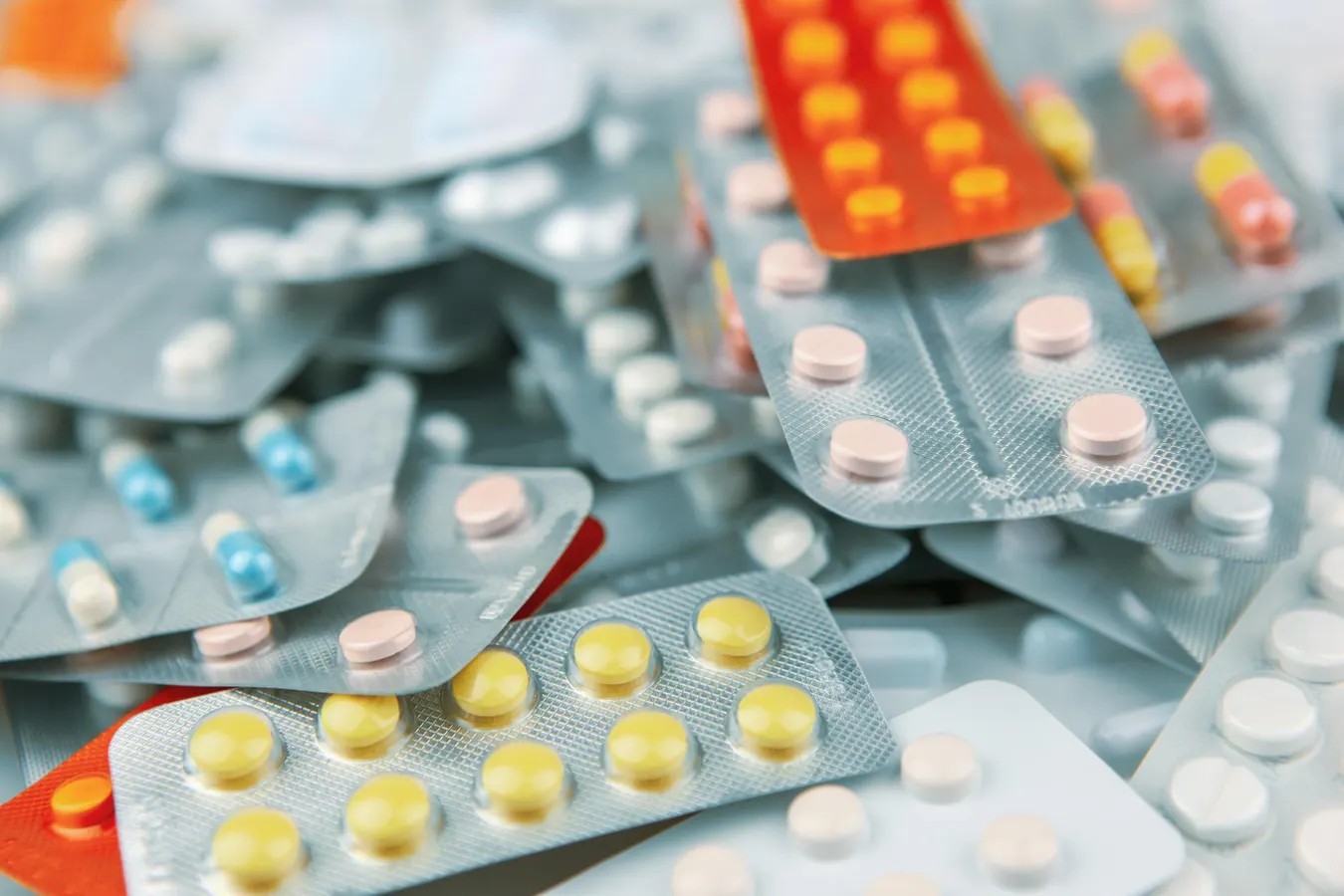
The pharmaceutical world is holding its breath. Or maybe just bracing for impact.
President Trump announced he intends to slap a 100% tariff on all generic drugs starting in August 2028. That rate jumps to 200% by 2029. It’s a bold stroke aimed at forcing domestic manufacturing. But will it work? Or is it just going to wreck consumer wallets?
The Generic Drug Tariff Backfire?
Here’s the reality check. Roughly 90% of U.S. prescriptions are filled with generic drugs. And nearly half of those come from India. It’s the global hub for cheap production. Moving that infrastructure to the U.S. in two years isn’t a tweak. It’s a logistical nightmare.
“Generic drugmakers lack the operational flexibility of larger branded pharmaceutical companies,” Rajiv Leventhal of Emarketer tells Forbes.
He calls a two-year shift to U.S. manufacturing “gargantuan, if not impossible.” The goal is noble—bringing jobs home. The result? Sky-high costs for patients who can already barely afford their meds. Cash-strapped households will feel this immediately. There is no cheap fix here.
Details remain scarce. Trump took to Truth Social. No executive order. No roadmap. Just a promise. That vagueness creates uncertainty. How will this be enforced? Will it survive legal challenges? As Leventhal notes, the longer the term goes on, the more likely policies like this become unstable. We might see them implemented as proposed. Or they might vanish in bureaucracy. Nobody knows for sure yet.
The Peptide Bonanza: Who Gets Paid?
While the tariff drama simmers, a different kind of frenzy is building around peptides.
The FDA panel considering the legalization of seven peptides meets Thursday. Shaun Noorian, CEO of Houston’s Empower Pharmacy, is flying in. He won’t miss it. He knows the room will be packed with the “who’s who” of the industry.
Hundreds are expected. Compounders. Telehealth founders. Longevity influencers. Scott Brunner of the Alliance for Pharmacy Compounding calls it a circus. Everyone is coming.
Why? Because these peptides are currently illegal for human consumption. They’re restricted to “research purposes.” Yet, a $3 billion gray market thrives in the loopholes. No oversight. Little safety data. Just sketchy sellers and desperate buyers.
“We’d love to make them. We’re getting ready to do it. We are just waiting for the green light.” — Mike Walker, Strive Pharmacy
If the FDA votes yes, the gray market dies. Legitimate players step in. Compounding pharmacies and telehealth firms are salivating at the prospect of legal production. They’re ready. The question isn’t if they want to cash in. It’s how big the pie becomes.
Tracking the Cyclosporiasis Source
Public health officials are racing against time. The cyclosporiasis outbreak has sickened thousands. At least five states are affected. Over 300 hospitalizations. The FDA has confirmed more than 4,000 real cases. Suspected cases? Over 7,400.
In Michigan alone, over 7,000 people are down. Severe diarrhea. Parasitic infection. The culprit? Contaminated water used to wash crops.
FDA investigators suspect iceberg lettuce from Taylor Farms. The produce flows into Taco Bell. Taylor Farms has recalled the lettuce. But follow-up tests showed false positives. Confusion followed. The FDA clarified on X: Do not eat the recalled Taylor Farms lettuce from Mexico. They’re confident it’s the source.
Taylor Farms is a beast. $7 billion revenue. 25,000 workers. Founded by Bruce Taylor in 1995. This crisis comes with extra political heat. The company donated $1 million to a pro-Trump super PAC. Its executives met with White House staff and FDA officials this week. An online uproar erupted.
This isn’t an isolated incident. Foodborne illness is surging in the U.S. This year alone:
– E. coli linked to frozen blueberries.
– Salmonella hitting 100+ hospitalizations.
– Listeria from cheese.
– Infant botulism from powdered formula.
But the response capability is weakened. The Trump administration has scaled back foodborne illness monitoring. Cyclosporiasis tracking is slower now. The CDC has lost over 25% of its staff since 2025. The director’s chair has been empty for nearly 11 months.
HHS Secretary Robert F. Kennedy claims the outbreak is “under control.” He dismissed funding cut criticisms as invalid. Time will tell if his assessment holds.
Tempus Buys Personalis for $1.5B
In deal news, health tech giant Tempus ($9 billion market cap) is acquiring cancer testing firm Personalis for $1.5 billion.
Personalis makes minimal residual disease (MRD) tests. They detect tiny amounts of tumor DNA to track treatment efficacy. Eric Levkovsky, Groupon’s billionaire founder, started Tempus in 2015 and now runs the show.
This isn’t a cold start. The two companies have partnered since 2023. Levkovsky sees huge potential. Once validated, cancer tests can scale fast. Zero to significant revenue. He sees a $20 billion opportunity in MRD testing.
Wall Street isn’t so sure. Jefferies analysts were skeptical. Executives said in May that an acquisition offered no advantage over partnership. Now? A massive buyout. Jefferies questions if this offsets a slowing core diagnostics business.
Investors reacted instantly. Tempus stock dropped 7%. Personalis tanked 13%. The market hates uncertainty. Especially when the strategic logic shifts overnight.
The Rest of the Week in Brief
- A biotech executive who was a fugitive for years has been unmasked. The secrecy lasted longer than expected.
- Sanford Health’s backer, Denny Sanford, died. He was 90. A significant loss for the medical group.
- Novo Nordisk sued Eli Lilly. The GLP-1 rivals are in federal court. Novo accuses Eli of using outdated studies to mislead consumers.
- Medicaid funds withheld. The administration pulled $1 billion from California and Minnesota, citing fraud concerns.
- Hospital fears rise. Drug-resistant bacterial infections with high fatality rates are increasing. It’s a nightmare scenario for clinicians.
- AI police reports. Axios reports AI-generated police records often contain factual errors, despite claims of time savings.
- Open-source labs. American researchers believe open-source labs can challenge China’s dominance in AI startups.