The fight isn’t happening in a hospital. Or a statehouse. It’s stuck in the gray area between a law and the rulebook that interprets it. Back in 2025. Congress passed H.R. 1. This legislation tacked on new work requirements for millions of low-income adults enrolled in Medicaid expansion. To keep their coverage. Some people will need to prove they are working. Studying. Volunteering. Doing whatever qualifies. But Congress wasn’t trying to be cruel. It carved out exemptions for those it didn’t intend to burden. Now? A federal lawsuit claims the agency charged with enforcing this law shrank those protections. Made them tighter. Harder to meet.
The Suit
Twenty-four attorneys general joined forces on June 29. Two governors came along too. They sued the Centers for Medicare & Medicaid Service (CMS) and the Department of Health and Human Service (HHS). Why? The implementation of H.R. 1 specifically. The lawsuit attacks an Interim Final Rule released by CMS. The states argue this rule adds limits that never appeared in the actual statute written by Congress.
This isn’t about ideology. Not primarily. The states aren’t asking the court to debate if work requirements are good. They’re saying CMS crossed a line. Specifically regarding people Congress called “medically frail” or having “special medical needs.” On paper this looks like a dispute over text and administrative procedure. On the ground. It’s a question of who is actually sick enough to keep healthcare without punching a clock.
The Frailty Trap
“Medically frail.” Sounds straightforward until you hand the term to eligibility workers and computer systems. The complaint says CMS claims this approach will protect the “most vulnerable.” The plaintiff states see something else entirely. A maze. New hoops for people who should already be exempt.
Under the current rule. Someone with a significant health condition must also prove they are “significantly impaired” in their ability to work. H.R. 1 did not say this. Congress created a medical exemption based on the condition itself. Not on work capacity. CMS turned a shield into a test.
Why They Pushed Back
States aren’t happy because they were misled. The complaint details months of preliminary guidance. Guidance that suggested one set of rules. States acted. They spent money. Built systems. Designed workflows. Then the final rule arrived. Different. Harsher.
The clock is ticking too. States must notify members by August 2026. The work requirements hit January 1. California’s Attorney General Rob Bonta didn’t mince words. Medi-Cal relied heavily on earlier guidance. He argued this is about congressional intent.
“People with serious illnesses or disabilities… shouldn’t also have to worry about losing healthcare because of work requirements.”
Bonta said it’s Congress’s will. It must be respected.
Arizona’s Attorney General Kris Mayes agreed. Medicaid exists to protect the vulnerable. Not to lose them to “unnecessary red tape.”
Paperwork Problems
The issue goes deeper than definitions. It’s about proof. Self-attestation. Claims data. Hardship exceptions. Medicaid runs on call centers and eligibility databases. Not abstract concepts. The lawsuit argues a person might be legally eligible but lose coverage anyway. Just because the process is too hard. Too confusing. Too much paper.
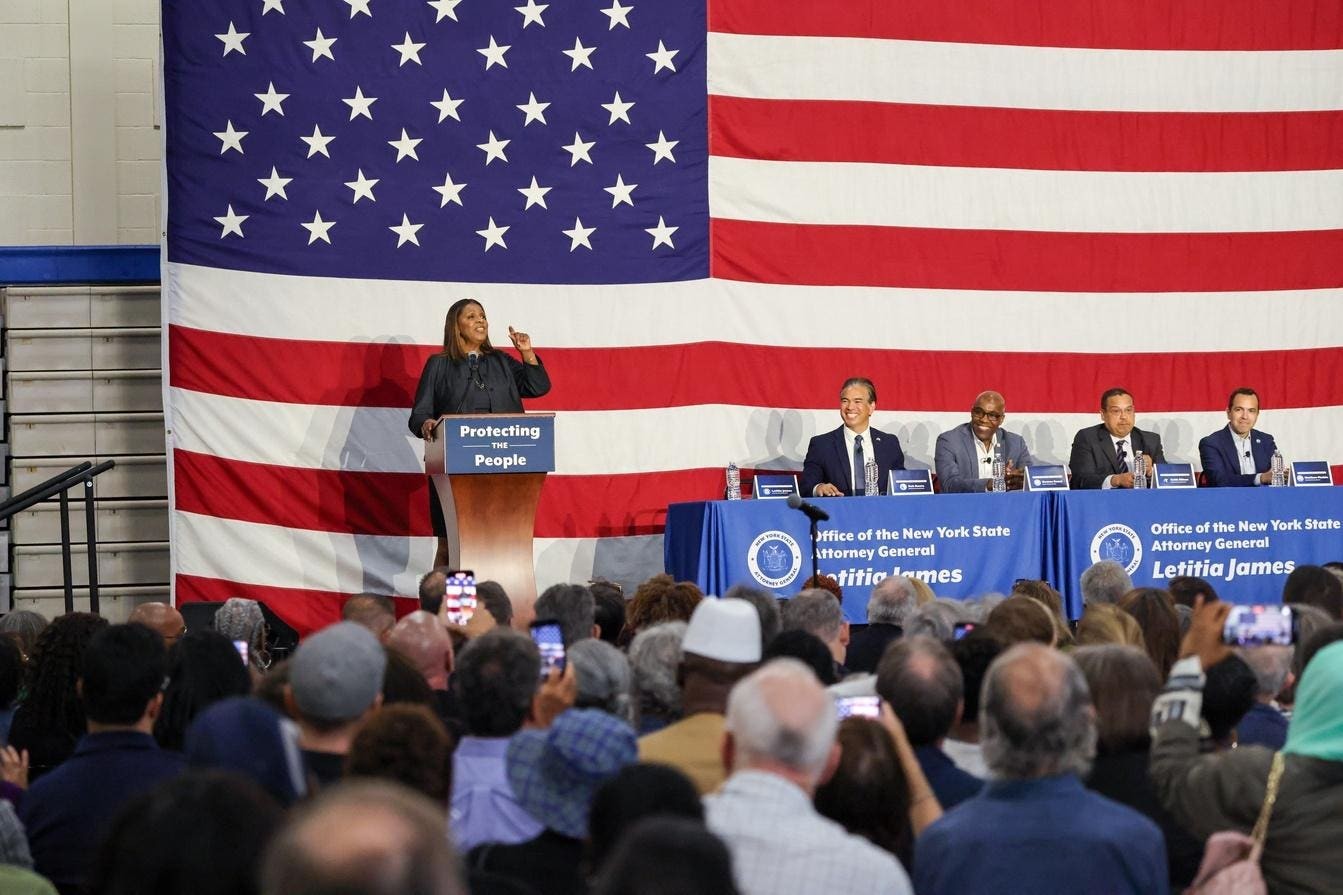
Illinois’ AG warned that someone with cancer or quadriplegia might still need to prove they’re “too sick to work.” Fail the paperwork. Lose the care. New York’s AG Letitia James put it plainly. People battling addiction or mental health conditions shouldn’t be “buried in paperwork.”
Maryland’s AG Anthony Brown said the narrow exemptions strip coverage from those who haven’t failed to qualify. But because the rules changed to exclude them. That distinction matters. Eligibility isn’t the problem. The proof of it is.
Real Risks
The complaint points to past experiments with Medicaid work requirements. They showed eligible people losing coverage anyway. The states say CMS ignored that history.
In North Carolina. A patient named DeAnna Brandon gets treated for blood cancer. Chemotherapy messes with her short-term memory. She worries about missing paperwork.
“Forgetfulness is not fraud.”
That’s the human cost. Can she track the notice? Find the records? Get the doctor’s note in time?
If coverage drops. Treatment waits. Emergency room bills soar. States and hospitals pay more. The disease doesn’t vanish when insurance lapses. It just gets more expensive to manage.
Doctors In The Crossfire
Doctors aren’t equipped for this bureaucracy. If data isn’t available. Providers must certify impairment. But how does a neurologist assess work capacity? What about job duties? Transportation issues? Fluctuating symptoms?
Dr. Casey A. Jeffreys. An MS specialist in NC. Noted the variability of her patients. Some work full-time. Some flex. Some cannot work at all. A rigid definition of frailty leaves them exposed.
MS fluctuates. Cancer treatment creates stability then crashes. Mental health varies. Substance use disorders shift over time. Being medically fragile doesn’t mean fitting neatly onto a form labeled “Unable to Comply With Work Requirements.”
CMS risks turning complex medical realities into administrative disputes.
What Now
The states want a halt. To those specific provisions. They claim CMS acted arbitrarily. Beyond the bounds of congressional spending power. They warn of confusion. And costs. And risk to the frail.
The federal government gets to defend itself. The court will decide if CMS stayed within authority. If the choices were adequately explained. Whether they can proceed.
One thing is clear. Law is not static. It morphs when it enters implementation machinery.
Congress chose work requirements. This lawsuit asks what happens next. When policy hits the real world systems. Can implementation shrink the protections Congress intended? For the millions with serious conditions the answer isn’t just legal. It determines if an exemption is a safety net. Or just ink on paper.