COPD changes everything. Folding laundry feels like climbing a mountain. Groceries are an endurance sport. Even putting on socks can leave you gasping. It happens.
Jimmy Johannes, MD, breaks down the mechanics at MemorialCare Long Beach. Fatigue isn’t just laziness. It’s low blood oxygen. It’s your lungs burning extra calories just to breathe. Bad sleep plays its part too. Maybe depression. Maybe a weak heart. The variables pile up, creating a perfect storm for exhaustion.
Fatigue for someone with COPD… can be caused by low blood ocean… poor sleep, being out of shaped, depressed mood, and possible heart disease.
Since fixing all those medical factors isn’t something you can do over a weekend, start with behavior. Adjust how you live. Save that energy where you can.
Bank Your Energy
Think of your energy like a daily deposit in a bank. You have a limited balance. If you spend it all by 10 a.m., the rest of the day is a withdrawal you can’t cover.
Pace yourself. Dr. Johannes suggests sitting whenever you can. Shower chair? Yes. Brush teeth while seated? Absolutely. Fold laundry on a table instead of hunching over. It reduces the strain on your chest muscles.
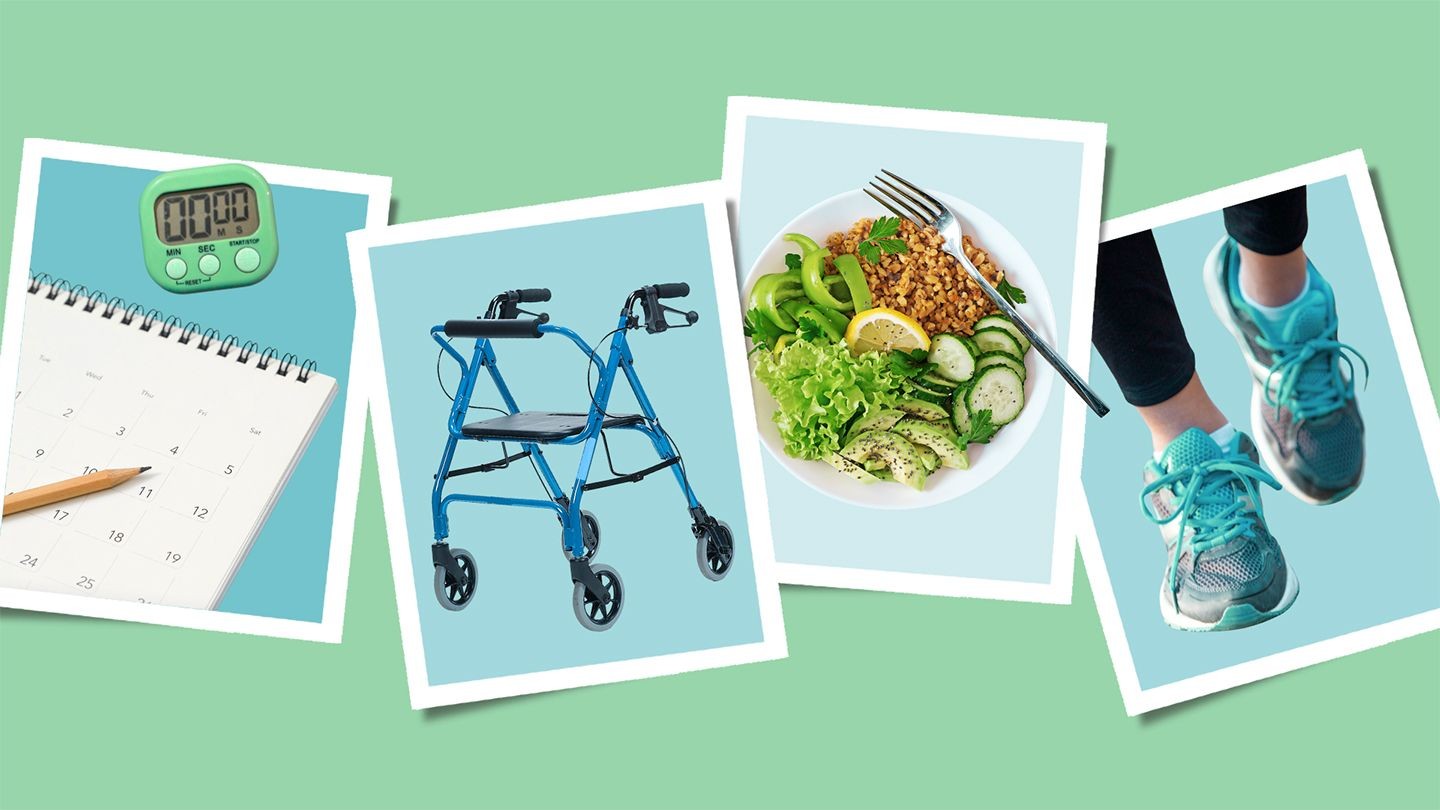
Watch the clock. Not just to keep appointments, but to know your breaking point. If twenty minutes of cleaning knocks you out, stop at fifteen. Beat the exhaustion before it starts.
Spacing out chores matters. Don’t try to hit the doctor, the post office, and the grocery store in one afternoon. It seems efficient. It will drain you. You’ll make it home, yes, but you’ll be hollowed out by then. Spread it out. One task per outing. Let yourself rest in between.
Let Tools Do The Work
Adaptive gear isn’t for people who’ve “given up.” It’s for people who want to stay independent without burning out.
Use what works:
- Rollator walkers with seats for those sudden needs to rest while walking
- Scooters for grocery trips
- Shower chairs and grab bars to cut down the muscle exertion
- Handheld showerheads so you don’t have to raise arms overhead (that raises your heart rate fast)
- Raised toilet seats for easier transitions
- Long-handled shoehorns and sock aids to skip the bending
- A wheeled cart to haul items instead of carrying them
Smart home devices help too. Voice commands to lock doors, set thermostats, or flip lights on save steps. They conserve effort. Dr. Johannes says these small aids keep people in control of their lives.
Rehab Is Physical Therapy For Lungs
Pulmonary rehab exists. It sounds clinical, maybe intimidating. Think of it as PT, but for breathing.
It’s a supervised program. You get educated on breathing techniques—like pursed-lip breathing—and learn which movements give the most bang for the energy buck. You also get stronger. The conditioning improves heart and muscle function, which boosts confidence in daily tasks. It teaches you when to use oxygen, how to break tasks up, and how to move through the world without panicking about the next breath.
Move Slowly, But Move
Avoiding exercise because it’s tiring is a common trap. Dr. Johannes warns it backfires.
Inactivity weakens you further. Exercise improves heart-lung fitness. It builds muscle strength. It increases stamina. In the short term, working out might drain you. In the long run? It pays dividends. Your capacity grows. You can do more before getting tired.
The trick is the gradient. Increase activity slowly. Don’t go cold turkey into a jog. Work with a trainer or physical therapist who knows COPD. Your health provider can refer you. They’ll guide you through movements that help, not harm.
Fuel Strategically
What you eat impacts how you breathe. Poor diet leads to infections and low strength, which complicates COPD.
Aim for Mediterranean-style eating. Lots of fruit. Vegetables. Lean proteins. Whole grains. Avocados, olive oil, legumes. Healthy fats matter.
But it’s not just what you eat, but how much. Tessy Peter, MD, notes digestion burns calories. A heavy meal uses up the energy reserve you need for living. Break it into small bites throughout the day. Eat frequent, tiny meals instead of two big feasts.
Large meals that require a lot of help process can drain your reserve.
There is a mechanical reason to keep portions small too. A full stomach pushes against the diaphragm. This limits lung capacity, especially for anyone carrying extra weight. Eating less at one time lets your lungs expand freely. It cuts down shortness of breath.
Talk To Someone Who Knows
Change your habits. Sit more. Use devices. Eat smart. Still tired?
Shortness of breath during modest effort is a sign to stop and consult Dr. Peter or your primary provider. Maybe the current COPD treatment plan needs adjusting to get oxygen levels up. Maybe another underlying condition is dragging you down. Assessment might uncover something new.
You won’t cure COPD with a diet tweak and a shower chair. Lifestyle changes can’t wipe it out entirely. But small adjustments compound over time. Use your energy wisely, and life gets a little easier. A lot easier.
You breathe better. You feel a little more in control. Isn’t that worth it?
It starts today. One small change at a time.