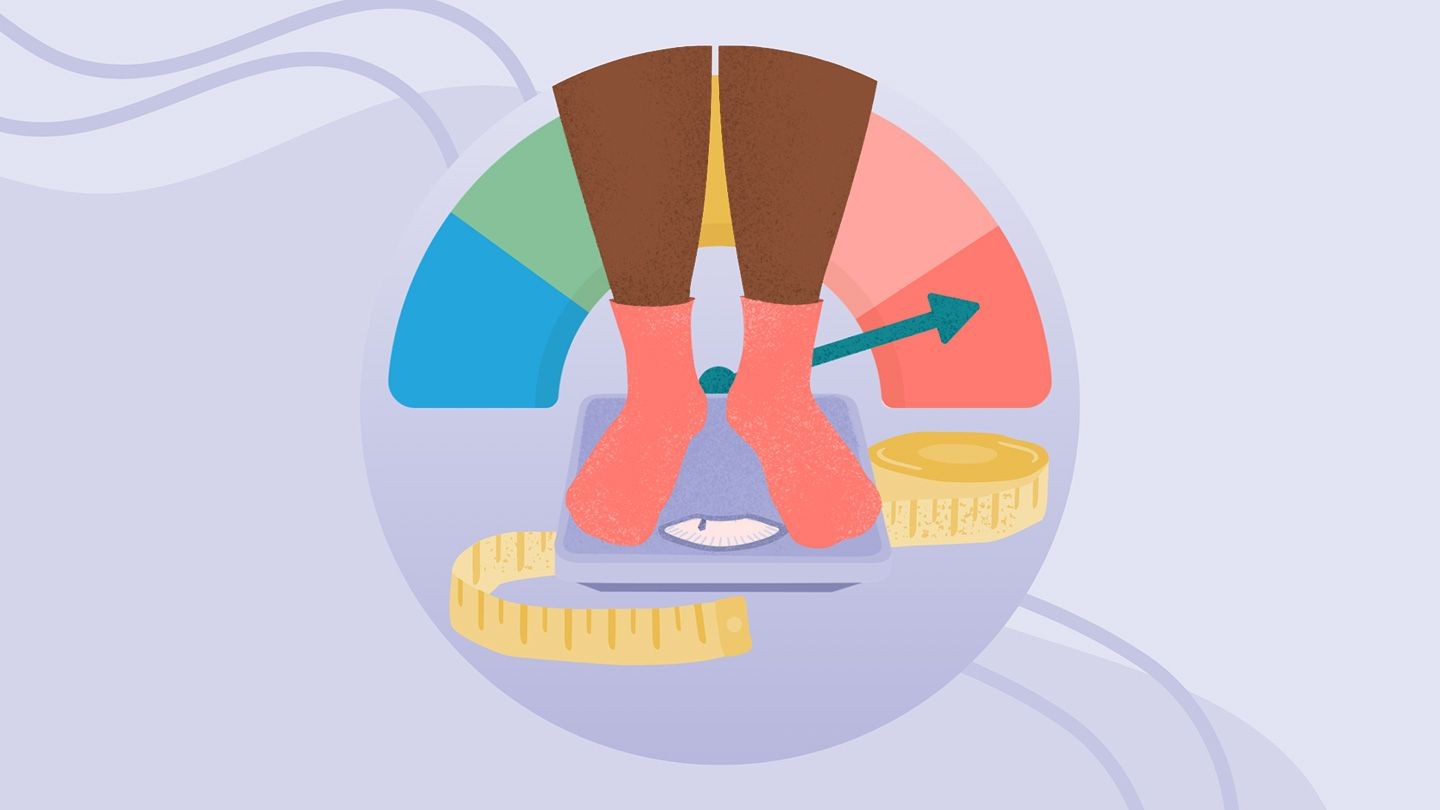
Class 3 obesity—formerly referred to as morbid obesity —is a severe, chronic medical condition characterized by a Body Mass Index (BMI) of 40 or higher. Far from being just a matter of weight, it is a complex disease that affects over 22 million adults in the United States alone.
Because this condition is often accompanied by various “comorbidities” (other health issues occurring simultaneously), it carries profound implications for long-term health and life expectancy.
The Complexity of Causation
Obesity is rarely the result of a single factor. Instead, it arises from a sophisticated interplay of biological, environmental, and social drivers. Understanding these drivers is crucial because it shifts the perspective from “lifestyle choice” to a multifaceted medical challenge.
- Biological & Genetic Factors: Genetics play a significant role in how bodies regulate appetite and store fat. Additionally, hormonal imbalances—such as thyroid issues or elevated cortisol (the stress hormone)—can trigger weight gain.
- Socioeconomic & Environmental Drivers: Access to healthy food and safe recreational spaces is not universal. Low socioeconomic status often limits access to nutritious options, while “obesogens” (chemicals in the environment) can disrupt metabolic health.
- Cultural & Behavioral Factors: Dietary cultures that emphasize calorie-dense foods and large portions influence long-term habits.
- Demographics: Statistics show that women are more likely to develop obesity, with the highest prevalence seen in adults aged 40–59. Notably, Non-Hispanic Black adults experience the highest rates of Class 3 obesity.
Health Risks and Complications
The primary danger of Class 3 obesity lies in its ability to trigger or worsen other life-threatening conditions. If left unmanaged, the condition can shorten life expectancy by as much as 14 years.
Physical Health Impacts
- Cardiovascular Disease: Including hypertension (high blood pressure) and atherosclerosis (plaque buildup in arteries).
- Metabolic Disorders: Type 2 diabetes and metabolic syndrome.
- Respiratory & Sleep Issues: Asthma and obstructive sleep apnea.
- Physical Strain: Osteoarthritis caused by weight-related joint stress.
- Other Risks: Increased risk of certain cancers and metabolic dysfunction–associated steatohepatitis (liver disease).
Mental Health Connection
There is a significant bidirectional link between obesity and mental health. Approximately 43% of people with depression also have obesity, and those living with obesity face a 55% higher risk of developing depression during their lifetime.
Diagnosis and Medical Management
Doctors diagnose Class 3 obesity primarily through BMI assessment, but they often use supplementary tools to gauge overall health, such as waist circumference, blood tests (to check cholesterol, blood sugar, and organ function), and sleep studies.
Treatment is rarely a “one-size-fits-all” approach; it typically requires a combination of the following:
1. Medication
While not usually recommended as a standalone solution, several medications can support weight loss when paired with lifestyle changes. Common options include:
* GLP-1 Agonists: Such as semaglutide (Wegovy) and tirzepatide (Zepbound).
* Other Oral Medications: Including liraglutide (Saxenda), phentermine-topiramate (Qsymia), and orlistat (Alli).
* Note: These can cause side effects like nausea, diarrhea, or constipation.
2. Bariatric Surgery
Often considered the “gold standard” for Class 3 obesity when other methods fail, surgery can lead to significant weight reduction (up to 77% of excess weight).
* Gastric Bypass: Connects a small portion of the stomach directly to the small intestine to limit calorie absorption and promote fullness.
* Sleeve Gastrectomy: Removes a large portion of the stomach to reduce capacity and alter hunger hormones like ghrelin.
* Risks include nutrient deficiencies, blood clots, and “dumping syndrome.”
3. Behavioral Therapy
Psychological support—through individual or group therapy—is vital for addressing the emotional triggers of eating and establishing sustainable behavioral changes.
Prevention and Lifestyle Support
While genetics and environment mean that Class 3 obesity cannot always be prevented, certain habits can help manage the condition and mitigate its risks:
* Nutrition: Prioritizing whole, minimally processed foods, fiber, and lean proteins.
* Activity: Aiming for 200–300 minutes of moderate-intensity exercise per week.
* Rest & Stress Management: Ensuring at least seven hours of quality sleep and utilizing stress-reduction techniques like meditation to regulate cortisol.
Conclusion
Class 3 obesity is a serious chronic disease that requires a comprehensive medical approach. Through a combination of medication, surgery, therapy, and lifestyle adjustments, it is possible to significantly improve health outcomes and restore quality of life.