


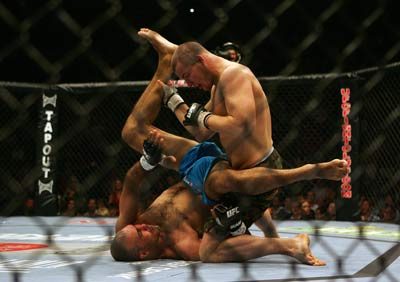
Dana White has seen it all. He’s stood courtside in the NBA Finals. He’s sat in the Super Bowl. He’s watched heavyweight title fights shake the ground in Las Vegas. Yet, when you ask the UFC president which sporting event stands above them all, he doesn’t hesitate. It’s Ultimate Fighting Championship (UFC).
He claims no other spectacle stacks up to Mixed Martial Arts (MMA). And for many fans, he’s right.
The UFC markets itself as the premier Mixed Martial Arts (MMA) organization in the world. Its history isn’t a straight line up, though. The promotion nearly folded in the late 1990s, crushed by controversy and bad publicity. It reinvented itself, stripped away the “no-holds-barred” myth, and built a global empire. Now, it hosts events that draw millions, turning fighters into household names.
How the Octagon Fights Differ from Boxing
At its core, the UFC organizes and promotes MMA events. These events feature several bouts. Each bout is a one-on-one fight. Like boxing, these matches are divided into rounds and supervised by a referee. But the complexity here is deeper.
Standard UFC bouts last for three rounds. Championship fights go the distance for five rounds. Each round lasts five minutes. Fighters get a one-minute break between rounds to rest, hydrate, and listen to their cornermen.
Boxing restricts athletes to fist strikes above the belt. MMA removes those limits. Competitors can use punches, kicks, elbows, knee strikes, takedowns, and submissions. They can strike above and below the belt, with a few specific restrictions. This mix of striking and grappling creates a dynamic that boxing simply can’t replicate.
Debunking the “No-Holds-Barred” Myth
Early UFC events claimed to feature no-holds-barred (NHB) fighting. That label stuck in pop culture, but it was always a misnomer. Even in the earliest days, athletes had to follow rules. They weren’t allowed to:
- Gouge an opponent’s eyes
- Fish hook (using fingers to hook an opponent’s mouth)
- Strike the groin
These basic prohibitions existed from the start. The idea of total anarchy was marketing, not reality.
The 31 Fouls That Keep Order
The Nevada State Athletic Commission regulates all boxing and martial arts exhibitions in Nevada. They identify 31 specific fouls. Breaking these rules can lead to penalties or disqualification.
Not all fouls involve violence. You can foul if you:
– Hold onto the fence for leverage
– Use abusive language inside the cage
– Fake an injury
– Drop your mouthpiece on purpose to delay the fight
A complete list of fouls is available on the UFC website. The commission ensures the sport remains safe while still allowing intense competition.
Drug Testing and Clean Competition
The UFC adheres to the Nevada State Athletic Commission’s drug policy. Recreational and performance-enhancing drugs are strictly forbidden. If a fighter tests positive before a bout, they are barred from fighting. They may face additional disciplinary action.
What if a fighter wins, and drug use is discovered later? The commission can change the result to a no contest. This policy protects the integrity of the sport. It ensures that victories are earned, not bought.
Where Fights Take Place
In the next section, we’ll look at the basics of the UFC, and learn where fights take place.
For more common questions and expert answers on sports and athletic performance, visit Sharecare.com.
UFC Basics
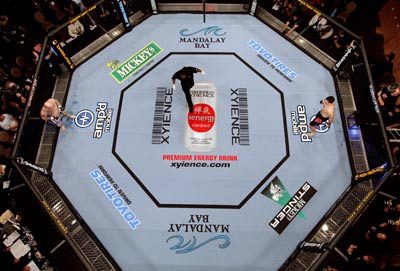

UFC fights don’t happen in a square ring. They take place inside the Octagon, a structure as iconic as the sport itself. It’s an eight-sided arena, roughly 30 feet across. The walls aren’t solid boards like in boxing. They are fencing material wrapped in padding. Every edge and corner is covered to reduce impact, but the shape still changes how fighters move. There are no ropes to lean on. Just flat sides and sharp angles that force different strategies.
The floor is canvas. It’s custom-painted for each event. Once the night is over, that mat is gone. Never reused. Two gates serve as the only entry points. At the start of every round, those gates are locked tight.
Only two people are allowed inside when the bell rings: the referee and the two fighters. Everyone else stays out. Between rounds, the routine shifts. Officials unlock the gates. Corner men step in. They bring water. They give tactical adjustments. They apply pressure to stop cuts and scrapes from bleeding. This brief access is critical. A fighter can’t treat wounds alone inside the cage. The corner does the heavy lifting while the athlete rests.
The Octagon’s design isn’t just aesthetic. It dictates movement, limits escape routes, and forces engagement.
Why an eight-sided shape? Circles allow infinite angles. Squares create corners that trap. Octagons offer a middle ground. Fighters have space to circle but fewer blind spots than in a ring. The fencing walls prevent escapes that might work in other combat sports. You can’t hide behind a rope. You must fight the person in front of you.
How does this affect the outcome? Less time wasted on clinching against ropes. More continuous action. The canvas is replaced because blood and sweat compromise grip. A fresh surface ensures safety and fairness for every matchup.
Where else do you see similar structures? MMA promotions worldwide adapt the cage concept. Some use hexagons. Some use circles with mesh. But the UFC standard remains the eight-sided steel fence. It’s recognizable. It’s functional. It defines the modern era of mixed martial arts.
Which matters more: the shape or the rules? The layout enables the rules. Without the enclosed space, the referee’s control would be harder. Without the gates, corner support would be impossible during action. The system works because each part supports the other.
Fans notice the details. The paint on the canvas. The height of the fence. The sound of the gate clicking shut. These aren’t background elements. They’re active participants in the fight. A fighter’s career can hinge on a slip on a wet mat or a cut that bleeds into the eyes. The Octagon magnifies every mistake. It also amplifies every victory.
Does it change how you watch? Maybe. Knowing that the corners only get in during breaks adds tension. You’re watching two people trapped in a small space. No hiding. No rest until the round ends. The structure enforces intensity. It removes escape. It demands performance.
The next time you watch a bout, look at the floor. That canvas is unique. Gone after the night. Replaced for the next pair. Just like the stakes.
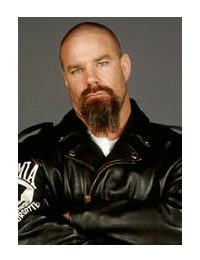

The cage isn’t just a fence. It’s a design choice that changes how the fight happens. Fighters can’t wander off. They can’t throw their opponents over the railing to escape a bad position. That rule exists for a reason. Tank Abbott tried it once, attempting to toss Carl Worsham over the fence during a UFC bout. It didn’t end well. Now it’s strictly forbidden. You stay inside the lines.
Why An Octagon?
Dana White has explained this before. The original UFC vision was simple: match styles against each other to see which martial art actually wins. But the arena matters. Boxing uses a square ring. Wrestling often happens on a circular mat. Each shape offers different advantages. Squares create tight corners where a fighter can get pinned. Circles allow constant rotation.
The Octagon was built to neutralize those edges. The angles are wider than boxing ring corners. Less space means fewer places to get trapped. A fighter always has an escape route. The fence itself is fencing-grade steel. It stops fighters from falling out. It stops them from getting thrown out.
The Octagon is a stable structure designed with the fighter’s safety in mind, while still providing a good view for spectators.
It’s not just about fairness. It’s about visibility. Fans can see the action from every angle. No blind spots. No obscured grappling exchanges in a dark corner. The geometry forces engagement. You can’t hide.
The Ranking Debate
You won’t find an official UFC ranking system. Dana White rejects formal rankings. He says they complicate matchmaking. They invite corruption. They slow down the process of putting together the best fights. Instead, Joe Silva runs the show. Silva is vice president and matchmaker. He uses his own method. He studies records. He analyzes fighting styles. He decides who gets the title shot.
If you perform well enough, Silva notices. You earn your chance. No algorithm. No points system. Just results and eyes on the ground.
Weight Classes Explained
The UFC recognizes five divisions. Fighters must compete in their own weight. No exceptions. Moving up or down is allowed, but there’s a cost.
- Lightweight: 145 to 155 pounds
- Welterweight: 155 to 170 pounds
- Middleweight: 170 to 185 pounds
- Light Heavyweight: 185 to 205 pounds
- Heavyweight: 205 to 265 pounds
Gaining weight to move up usually means losing speed. Slower reflexes. Heavier limbs. Dropping weight might preserve agility, but it often sacrifices striking power. Fighters have to choose. Speed or power. Not always both.
The Three Pillars of Technique
When the bell rings, everything comes down to three categories. Striking. Grappling. Ground fighting. Each requires different skills. Each has different rules. You can’t rely on just one. The Octagon forces you to adapt. You strike. You clinch. You hit the mat. Then you get back up.
Striking


The striking game in the UFC is a hybrid. Fighters don’t just box. They blend boxing footwork with Muay Thai clinch work, mixing punches, kicks, knees, and elbows. But the gear dictates the danger.
You won’t see heavy, padded boxing gloves here. The official UFC gloves are fingerless, weighing in at just 4 to 6 ounces. Compare that to traditional boxing gloves, which range from 8 to 10 ounces. The difference is massive. Thin gloves mean less protection for the hand. A fighter has to be precise. Throw a punch wrong, and you could fracture your own knuckles before you even touch your opponent.
Striking Rules and Forbidden Zones
There is a strict code on where and how you can land those strikes. It’s not a free-for-all.
You cannot kick or knee a grounded opponent in the head. If they are down, you keep your legs to the body or the floor. You also can’t target the back of the head. That’s an instant foul. And while elbows are legal, using the point of the elbow to drive downward into the skull is banned.
The rules are designed to keep the fight legal and safe, but the thin gloves still make every strike a calculated risk.
Mastering the Takedown and Sprawl
Grappling often dictates the pace of a match. Some fighters are strikers first, wrestlers second. Others live in the clinch, hunting for takedowns.
A takedown is simple in concept: force your opponent to the canvas. It can be flashy. A high-impact slam or a suplex looks spectacular in the Octagon. But often, it’s just about breaking balance. A simple step or trap is enough.
Defense is equally important. To stop a takedown, you sprawl. You drop your hips back, putting weight on your opponent’s lower back. It uses leverage to keep you standing. If you can’t sprawl, you’re going to the mat.
Submissions: The Tap Out
Once you’re grappling, you’re looking for the finish. Strikes can end a fight, but submission holds are the purest form of victory.
A guillotine choke is a classic. You trap the neck, cut off the blood flow, and wait for the tap. Most submissions happen on the ground, where you have the leverage to apply pressure. But don’t be fooled—some holds can be applied while standing. If a fighter gets caught in a rear-naked choke or a triangle from their feet, the fight is over.
Ground Fighting Dynamics
When the fight hits the mat, the strategy shifts entirely. It’s no longer about who hits harder. It’s about position.
Top position is power. You control the space. You dictate the pace. Bottom position is survival. You’re looking to escape, sweep, or submit. The ground game is a chess match played with limbs. Control the hips. Secure the mount. Sweep the guard. If you lose control, you lose the fight.
This is why training is so varied. You need the striking skills to keep your opponent at bay. You need the grappling skills to close the distance. And you need the ground game to finish it if things go south.
“The thin gloves mean
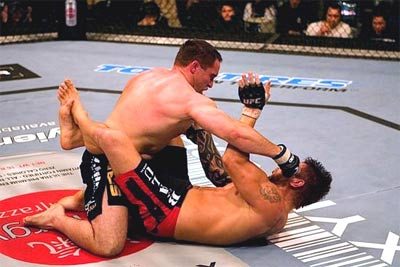

Ground fighting isn’t just a fallback. It’s a primary battleground. When bodies hit the mat, the fight doesn’t end. Fighters keep striking. They look for ground and pound opportunities. They search for submission holds. The dynamic shifts instantly from standing exchanges to intricate positional battles.
Most scrambles result in one fighter ending up on top. The terminology here is specific. You’ll hear guard, half guard, side control, and full mount tossed around like common nouns. These aren’t vague descriptions. They define exactly how bodies are positioned relative to each other.
Take the guard. It’s a classic scenario. Fighter A is on the bottom. Fighter B is on top. Fighter A wraps their legs around Fighter B’s hips. Fighter B is now “inside Fighter A’s guard.” It’s a defensive posture for the bottom fighter. It’s a frustrating obstacle for the top fighter. Control isn’t just about strength. It’s about leverage and positioning.
Success in the UFC demands versatility. You can’t just be a striker. You can’t just be a wrestler. Top fighters train extensively across all three disciplines: striking, wrestling, and grappling. Sure, many have a preferred style. Some lean heavily into wrestling. Others prioritize kickboxing or Muay Thai. But the elite few possess a baseline proficiency in everything. They know how to survive on the ground. They know how to finish the job.
This versatility is why modern MMA is so unforgiving. A pure striker gets taken down. A pure wrestler gets choked out. The winner is usually the one who can transition seamlessly between these worlds.
We’ll look at the mechanics of victory next. How do judges score a fight? When does a referee step in? And what happens when the bell rings with a draw?
For more common questions and expert answers on sports and athletic performance, visit Sharecare.com.
How Judges Determine the Winner
If the fight doesn’t end by knockout, submission, or technical stoppage, it goes to the scorecards. Three judges watch the entire bout. They score each round independently. The system is simple on paper. Complicated in practice.
Each round is scored on a 10-point must system. The winner of the round gets 10. The loser gets 9. Or 8. Or 7. If one fighter dominates a round completely, you might see a 10-7. But 10-9 is the standard for a clear winner.
What constitutes “dominance”? It comes down to three main categories.
- Effective Striking: This is the most visible metric. Land heavy shots. Damage your opponent. Control the distance. It’s not just about volume. It’s about accuracy and impact. A single clean hook that wobbles an opponent often outweighs ten jabs that don’t.
- Effective Grappling: Takedowns count. But not all takedowns are equal. A takedown that leads to control or damage is worth more than a takedown that achieves nothing. Positional dominance matters. Staying on top for significant time while landing strikes boosts your grappling score.
- Aggression and Octagon Control: This is the tiebreaker. If the striking and grappling are close, who moved the fight? Who dictated the pace
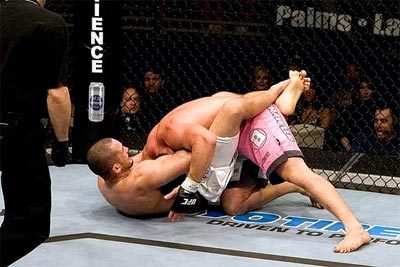
Striking? Sure. Grappling? Absolutely. But when the dust settles and the judges aren’t needed, how do you actually take the win? It usually comes down to two distinct outcomes: submission or a technical knockout (TKO).
Let’s talk about the tap first. You win by submission when your opponent physically taps the mat or the fighter, or simply shouts “tap” verbally. Why does it happen? Maybe the strikes are too much to defend. Or maybe you’ve locked in a painful hold like an armbar or an ankle lock. It can even be a rear naked choke, cutting off air or blood flow until consciousness fades. Here’s the thing though — in the UFC, submitting isn’t a career-ender. It’s not like some other sports where “giving up” looks weak. In MMA, tapping out is considered honorable. It’s smart fighting. You recognize you’re trapped and you end it before permanent damage occurs.
Then there’s the technical knockout. This isn’t a punch that sends someone into orbit. It’s a referee intervention. The ref steps in when they decide a fighter can no longer intelligently defend themselves. The conditions are chaotic. Fighters are moving fast. The referee has to make a split-second call on a fighter’s status. Unlike boxing, there is no standing eight count. You don’t get a breather. If the ref thinks you’re done, the fight is over. And it doesn’t matter if you’re on your feet or flattened on the canvas. The outcome is the same.
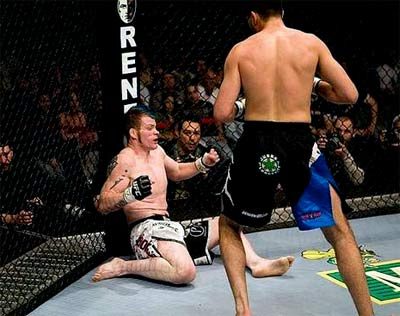

If the bell rings and no one taps out or knocks out, the outcome shifts from violence to mathematics. The result hinges on a panel of three judges. They use the 10-point must system. It is simple on paper. The winner of a round gets 10 points. The loser gets nine or less.
Scores drop below nine for penalties. Fouls happen. Fighters go inactive. Timidity gets penalized. At the end of the bout, judges tally the totals. The numbers dictate the victor.
Types of Decisions in MMA
A unanimous decision means all three judges agree. Fighter A wins every card. Clean cut.
A split decision is messier. Two judges favor one fighter. The third picks the opponent. It is close. It is often controversial.
A majority decision occurs when two judges pick a winner and the third scores a draw. The fighter with the two wins takes it.
You can also win via technical decision. This happens if an opponent is too injured to continue. The referee stops the fight early due to injury. Judges review the earlier rounds. The leader at the time of the stoppage wins.
Disqualification is another path to victory. If a fighter violates rules, you win. A forfeit also works. Illness or injury can cause an opponent to forfeit. You get the win by default.
Draws and No Contests
Fights do not always produce a winner. A standard draw happens when judges’ scores match or cancel out. Both fighters leave with a tie.
A technical draw is possible. If both fighters are too injured to continue, the referee declares it. No winner.
A no contest is different. This occurs if both fighters break rules. It also happens if a fighter cannot continue because of an injury caused by an illegal move. The result is wiped from the record.
Scoring Complexities
MMA is not boxing. There are more variables. Judges have more to weigh. They count strikes. They track takedowns. They assess ground technique.
Ground fighting adds nuance. The bottom position is usually weaker. Top control dominates. But defense matters. A fighter on the bottom can defend so well that a judge awards the round. Position alone does not win rounds. Damage does.
“There’s a lot of controversy right now over judging. Being a judge is very subjective . . . the main thing you have to judge, round by round, is who did the most damage.”
— Dana White, UFC President
Judging is subjective. It always has been. The criteria shift depending on what happens in the cage. A fight can look one-sided standing up. Then it hits the mat. The dynamic flips. A fighter escapes. A mistake is exploited. The narrative changes instantly.
That complexity fuels the excitement. You never know how it ends. Points? Submission? KO? Or a judge’s scorecard deciding the fate of two athletes?
The history of UFC judging is filled with debates. Disputed calls have defined eras. Fans question the process. Critics point out inconsistencies. Yet the sport moves forward. The rules evolve. The conversation continues.
For deeper insights into sports performance and athletic analysis, visit Sharecare.com.
UFC History
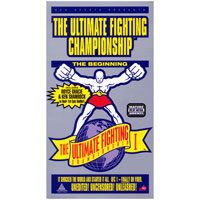
The origins of the Ultimate Fighting Championship
It started with a ego check. Rorion Gracie, a Brazilian jiu-jitsu master, didn’t just want to teach his family’s techniques. He wanted to prove they worked when the gloves came off and the rules vanished. His family had built a reputation on the Gracie Challenge, an open call to any martial artist who thought they could beat a Gracie in a real fight. Most folks showed up and left with their pride bruised. Arthur Davie, a creative ad man, saw the marketing gold in that legacy.
He pitched a no-holds-barred tournament to the Semaphore Entertainment Group. The concept was simple and brutal: let different martial arts styles collide to see which one truly dominated. One SEG employee, Michael Abramson, came up with the name. It stuck.
UFC 1 hit the scene on November 12, 1993.
The format was pure elimination. Win your bout, move up the bracket. Lose, you’re done. They even had alternates on standby, ready to step in if a fighter tapped out or got injured. You had karate pros, kickboxers, boxers, sumo wrestlers, and jiu-jitsu practitioners all in one cage.
Then came Royce Gracie.
Rorion’s younger brother didn’t have the size of the sumo wrestlers or the striking power of the kickboxers. He had something else. Technique. Patience. In the final match, he caught Dutch master Gerard Gordeau in a rear naked choke. Gordeau tapped. Royce took the gold.
It worked. The audience ate it up. SEG didn’t waste time. They immediately started planning the next event, keeping the Ultimate Fighting Championship brand intact and slapping sequential numbers on everything that followed. UFC 2 was already in the works.

The Wild West of Early MMA
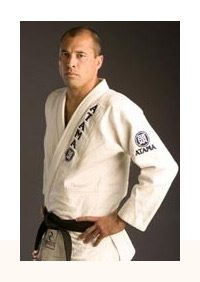
Back then, the cage felt less like a regulated arena and more like a chaotic free-for-all. There were no weight classes at UFC 1. A 140-pound grappling specialist could walk into the same ring as a 250-pound Sumo wrestler. It wasn’t until UFC 12 that weight limits were actually defined, and even then, they kept tweaking them. Fighters were allowed to wear their traditional gear—the gi was common for jiu-jitsu practitioners, and yes, you could fight in your uniform.
Rounds? Who needs them. Early UFC events experimented heavily with time limits. Some had none. The goal was simple: fight until someone clearly won. No time-outs. No bell. Just survival.
Style vs. style was the original pitch. It sounded cool on paper. It didn’t work in practice. Most fights ended up on the mat, and let’s be honest, many of the martial artists showing up hadn’t trained for ground fighting. Royce Gracie won three of the first four tournaments. His dominance proved one thing: if you couldn’t handle the ground, you were done. Fighters had to adapt. Strikers learned wrestling. Wrestlers learned submissions. The pure martial artist was out. The UFC quickly realized that a black belt meant nothing if you couldn’t fight.
Rules Were Still Being Written
There were no athletic commissions. The UFC held events in states where regulators didn’t exist yet. There were no judges. That’s right—no one was scoring rounds. Referees couldn’t stop a fight. Their only job was to enforce the handful of rules that existed and witness submissions. After the first few chaotic events, the UFC finally gave refs the power to step in and stop the carnage.
UFC 9 was the outlier. It featured single fights. From UFC 10 to UFC 18, it was all tournament format. You fought once, then you fought again. Same night. Until UFC 18, that is. From then on, except for UFC 23, it was one fight per card. No more multiple bouts in one evening.
Dana White later said the whole thing happened by accident. The first UFC was supposed to be a one-off special. It did well on pay-per-view. So they did another. And another. No one thought they were building a sport. They were just building a show.
SEG’s Financial Woes and Political Backlash
As the UFC grew, so did the pressure. SEG, the company behind it, tried to appease critics by adding rules. They wanted to make MMA look like a legitimate sport. But SEG was bleeding money. From UFC 23 to UFC 29, they were on the brink of bankruptcy. They couldn’t even afford to release these events on home video.
The marketing didn’t help. SEG promoted early UFC events as brutal, no-holds-barred fights. They said superior martial arts would win. They called it the ultimate test. It sounded like cockfighting to some.
Senator John McCain, a boxing fan, called it “human cockfighting.” He lobbied governors and city governments to ban the UFC. Venues canceled bookings at the last minute. Cable companies refused to carry the pay-per-view. SEG resisted working with athletic commissions for too long. By the time they finally adopted rules from the New Jersey Athletic Control Board, it was too late. SEG was finished.
Zuffa Takes the Wheel
UFC 29: Defense of the Belts in 2000 was the end for SEG. Bankruptcy and political pressure had crippled their ability to book shows.
Then came Zuffa, LLC. Frank and Lorenzo Fertitta bought the UFC. Zuffa is Italian for “to fight” or “to scrap.” Dana White, a former amateur boxer and promoter, became president.
Lorenzo Fertitta had been on the Nevada State Athletic Commission. That connection changed everything. The commission started overseeing UFC events. Credibility returned. Cable companies began carrying the pay-per-view again. The UFC was back. But the war wasn’t over. It was just entering a new phase.

The shift in tone started early. Back in 2001, Zuffa took the reins for UFC 30: Battle on the Boardwalk. It wasn’t just about getting back on wider pay-per-view feeds. It was about producing home video content that could actually be watched without a subscription. That event marked a pivot point. Before this, the promotion had a reputation that was hard to shake. Dana White knew it. He worked to shed the image of the UFC as a place for unregulated brawls.
“At the end of the day, these guys aren’t barbarians the way they were sold early on. These guys are all good guys . . . they come in to compete to find out who’s the best fighter in the world.”
White’s message was clear. The fighters weren’t monsters. They were competitors. The goal was simple: find the best. This rebranding effort was essential for survival. You can’t sell mainstream tickets if the audience thinks they’re watching animal fights.
Breaking Into Cable Television
By 2005, the strategy evolved. Spike TV picked up the first season of The Ultimate Fighter. This was a massive deal. It wasn’t just another reality show. It gave casual viewers a way to watch UFC fights on cable. No pay-per-view required.
The format was straightforward. Hopefuls entered the show. They split into camps. Each week, a member from one team fought someone from the other. Winners stayed. Losers went home. It was high stakes. Real stakes.
This show did more than entertain. It educated viewers. If you didn’t know the rules, you learned them here. If you didn’t care about mixed martial arts, you started to. The show highlighted the training, the rivalry, and the personalities. It humanized the fighters.
The success was immediate. The show proved that there was a mass market for the sport. It didn’t just sustain itself. It grew. At the time of writing, the show was scheduled for at least two more seasons. The model worked. It created stars. It built a fanbase that followed the fighters, not just the fights.
Where Do We Go From Here?
The foundation was laid in those early years. Zuffa stabilized the business. White cleaned up the image. The reality show brought in the numbers. Now the focus shifts to what comes next. The infrastructure is there. The audience is waiting. The question is no longer if the UFC will survive. It’s about how big it can get.

The Pride Merger and Global Expansion
The Fertitta brothers bought out Pride Fighting Championship in March 2007. That acquisition wasn’t just a balance sheet move. It was a declaration of war. For years, MMA fans have begged for a showdown between the cream of the crop from Japan’s Pride and the UFC’s finest. Dana White finally says it is no longer a pipe dream. The plans are still nascent. But the reality of a superfight between Pride’s best and UFC’s best is closer than ever.
The UFC is based in Nevada. But expansion is the name of the game now. White is pushing hard to take the action beyond Las Vegas and across borders. The sport is already broadcast in 170 countries. The goal is to build a grassroots base. Live events drive word-of-mouth marketing. White explains the strategy clearly.
“When you take the live event somewhere and you get 15,000 or 20,000 people to show up to the event and those people leave the event and go to work the next day, they talk to their relatives. They talk to their friends. It starts to spread…that whole word of mouth thing happens, and it’s imperative for the growth of the business and to take it global.”
Target locations for these live events include Europe, Japan, Canada, and Mexico. The hope is to convert casual viewers into die-hard fans through sheer exposure.
Viewing the Action
Fans have multiple avenues to watch the sport. Pay-per-view events drop about once a month. “The Ultimate Fighter” provides regular bouts. “Fight Night” specials air on Spike TV. DVDs are available for home viewing. Live gates sell out arenas. Yet, there is a gap. Events 23 through 29 are not available commercially. Fans are stuck waiting.
Answering Common MMA Questions
How much does it cost to go to a UFC fight?
Tickets average $208. But prices fluctuate based on the event and location. You can snag deals starting around $64.
Who is the richest UFC fighter?
Conor McGregor holds the title. His net worth sits at an estimated $120 million.
Where can I watch UFC events live?
Pay-per-view remains the primary method. You can stream via the UFC website or subscribe to ESPN+.
What exactly is MMA?
Mixed Martial Arts. It is a hybrid combat sport. Fighters pull techniques from boxing, wrestling, judo, jujitsu, karate, Muay Thai, and other disciplines. It is not just brawling. It is a technical synthesis.
Why is MMA illegal?
It isn’t. That is a myth. MMA is one of the fastest-growing sports in the U.S. The UFC popularized it on a massive scale. Even New York, which banned the sport for years, lifted its prohibition in 2016. The stigma faded. The popularity remained.
Digging Deeper
For those wanting to understand the mechanics behind the violence, several resources exist.
Related Articles:
– How Boxing Works
– How Karate Works
– How Pro Wrestling Works
– How Muscles Work
– How Performance-enhancing Drugs Work
Useful Links:
– Ultimate Fighting Championship
– Nevada State Athletic Commission
– Sherdog
– MMAFighting.com
Sources:
– Cauchon, Dennis. “Amateur fighting rounds up crowds and controversy.” USA Today. 2006.
– Gentry, Clyde. “No Holds Barred: Ultimate Fighting and the Martial Arts Revolution.” Milo Books Ltd. 2002.
– Montgomery, Cliff. “This History of the UFC.”
– Ultimate Fighting Championship
– “UFC – About the Event.”
– White, Dana. Personal interview conducted on April 16, 2007.


