


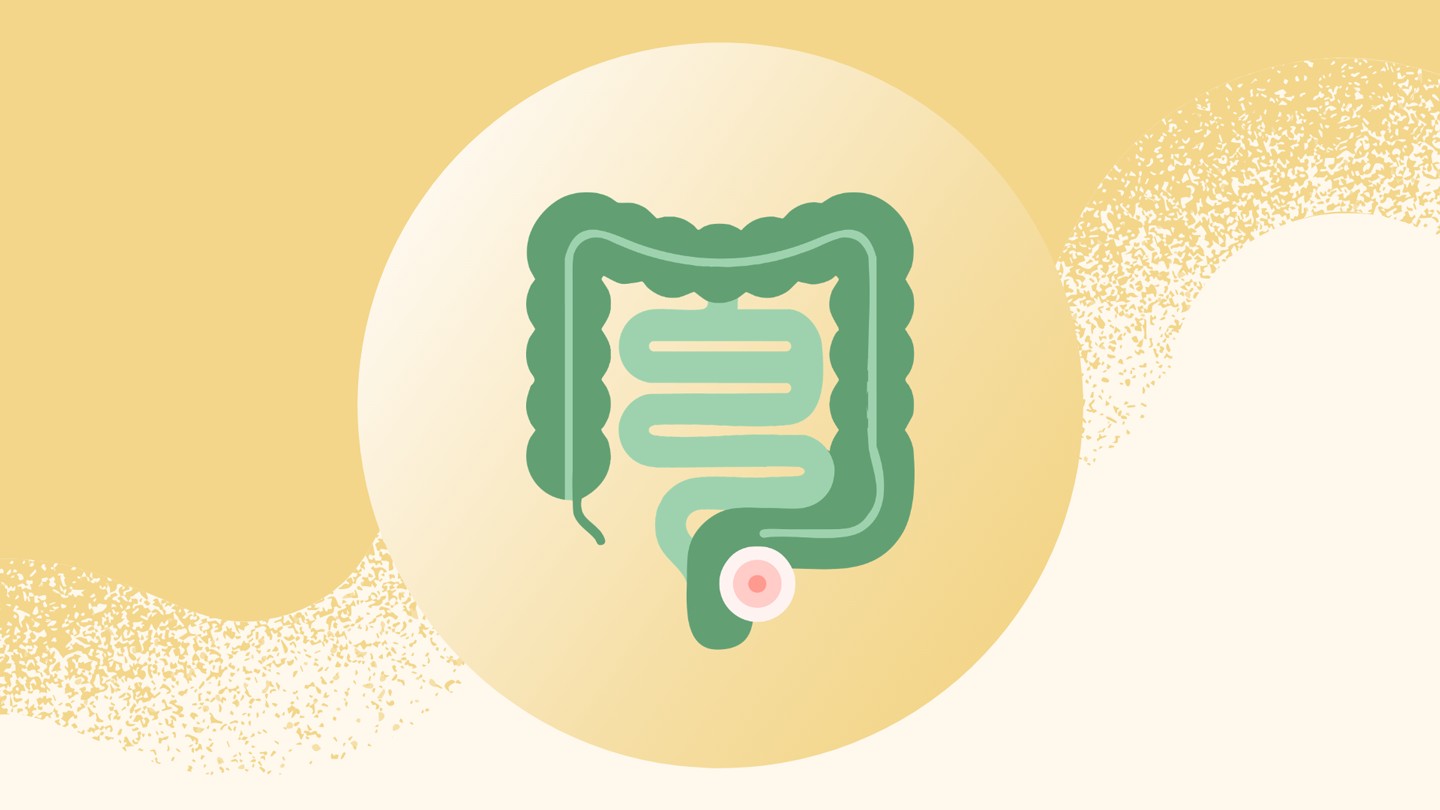
Recent research has identified a troubling trend in oncology: while colon cancer deaths are rising slowly, rectal cancer mortality is accelerating rapidly among younger adults.
A new study led by researchers at SUNY Upstate Medical University suggests that for adults aged 35 to 44—a key demographic within the Millennial generation—rectal cancer deaths are increasing at a rate of nearly 2% per year, significantly outpacing the 0.5% annual rise seen in colon cancer.
The Data: A Shifting Trend
By analyzing U.S. federal death records from 1999 to 2023 using machine learning models, researchers found that this upward trajectory is expected to continue through 2035.
This shift is particularly alarming to medical professionals because colorectal cancers have traditionally been viewed as slow-growing diseases that primarily affect older populations. The acceleration in younger, “low-risk” individuals suggests that the disease may be manifesting much earlier in life than previously understood.
Why is this happening?
While the exact drivers are still under investigation, experts have proposed several contributing factors:
- Environmental and Dietary Triggers: Dr. Cindy Kin of Stanford Health Care suggests that chronic exposure to certain dietary factors from a young age may lead to gut inflammation or an unhealthy microbiome, potentially triggering cancerous cell development.
- Delayed Diagnosis: Because younger adults are not routinely screened, symptoms are often dismissed. Patients and doctors may misattribute warning signs to benign issues like stress or hemorrhoids, leading to cancer being diagnosed at a much more advanced, harder-to-treat stage.
- Biological Differences: Rectal cancer and colon cancer, while related, require different treatment protocols. Rectal cancer often requires radiation and chemotherapy before surgery, whereas colon cancer treatment typically begins with surgery.
Recognizing the Warning Signs
Because the rectum is located closer to the body’s exit, rectal cancer symptoms may be more physically apparent than those of colon cancer. However, early stages are often asymptomatic.
Key Symptoms to Watch For:
- Changes in bowel habits: Persistent diarrhea or constipation.
- Rectal bleeding: Bright red blood in the stool or on toilet paper.
- Abdominal discomfort: Persistent pain, cramps, or a feeling of fullness.
- Physical changes: Unexplained weight loss or chronic fatigue.
- Sensation changes: Difficulty passing stool or experiencing pelvic/anal pain due to tumor pressure.
Important Note: In colon cancer, blood often mixes with the stool, appearing black. In rectal cancer, the blood is more likely to be bright red due to its proximity to the anus.
Risk Mitigation and Early Detection
Current medical guidelines generally recommend starting routine screenings at age 45. However, experts argue that for certain populations, this threshold should be much lower.
Who should consider earlier screening?
- Individuals with a family history of colorectal cancer.
- Those with a history of polyps or inflammatory bowel diseases (like Crohn’s or ulcerative colitis).
- Individuals who have undergone radiation therapy in the abdomen or pelvic area.
- Those with known genetic syndromes related to cancer.
Lifestyle adjustments to lower risk:
To reduce the likelihood of developing colorectal issues, health professionals recommend maintaining a healthy weight, staying physically active, and consuming a diet high in fiber (fruits, vegetables, and whole grains) while limiting red meat, processed foods, tobacco, and alcohol.
Conclusion
The rising mortality rate of rectal cancer in Millennials highlights a critical need for increased awareness and earlier diagnostic intervention. Moving away from the assumption that bowel changes are merely “stress-related” could be vital in catching this disease before it reaches an advanced stage.


