Heart health doesn’t wait for a clock. 🍎
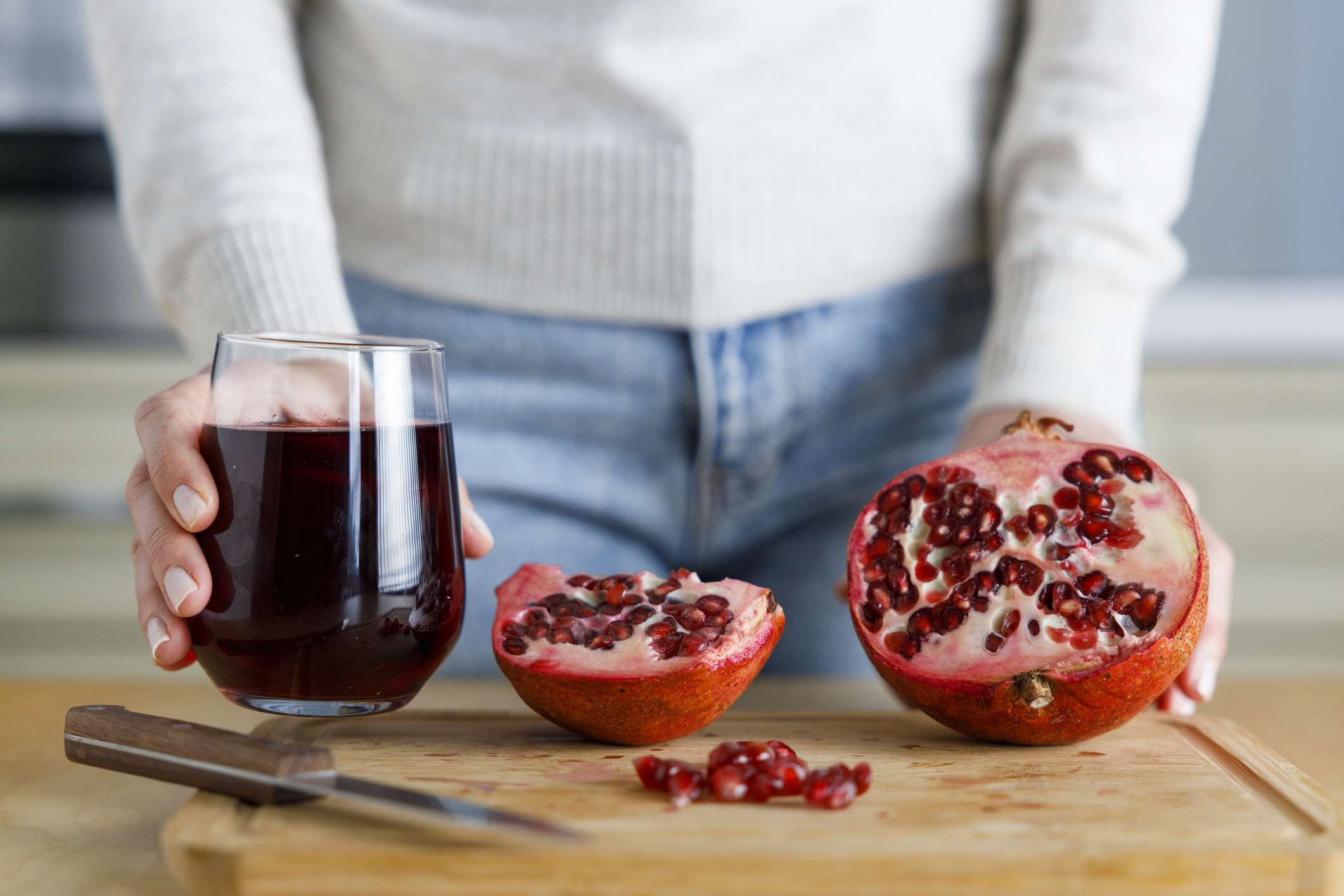
Pomegranate juice packs antioxidants and plant compounds that might support your heart and circulation. There is no magic hour. But there are better strategies than chugging it blindly at dawn.
When to drink it
Forget the exact minute. Research isn’t robust enough to pinpoint a single “best” time for cardiac benefits.
Think food pairing instead.
The juice has natural sugar. Drinking it on an empty stomach spikes things up. Pair it with protein or fiber. Or some healthy fat. This slows digestion. Blood sugar stays steadier. Stable sugar helps protect the heart, especially if you’re diabetic or insulin resistant. High blood sugar damages vessels over time. It wrecks the nerves that control your heartbeat.
Want a circulation boost before moving? Try drinking it before a walk or workout.
A small 2014 study showed pomegranate extract taken 30 minutes pre-exercise improved blood flow. It even widened blood vessel diameter after the session.
Consistency matters more than chronology. A daily habit beats one perfectly timed dose.
Why it helps the heart
Polyphenols drive this. Specifically anthocyanins. These compounds fight oxidative stress and inflammation. Both wreck hearts if left unchecked.
Some data suggests pomegranate compounds boost nitric oxide availability. This relaxes blood vessels. Flow gets easier.
Cholesterol profiles might shift too. HDL—the “good” stuff—could rise. Triglycerides might fall. We need more proof here.
It also brings potassium. This mineral counteracts sodium. Lower sodium pressure means lower blood pressure. Simple chemistry.
Timing is less important than frequency. Pair a small glass with a balanced meal. That’s a simple, repeatable routine.
It works best alongside other good habits. Eat vegetables. Move your body. Limit added sugar. Stop treating juice as a silver bullet. It’s a supplement. Not a replacement.
How much should you drink?
4 to 8 ounces. That’s the sweet spot.
One to two servings of 100% pure juice per day covers the bases without flooding your system with sugar or calories. Some studies saw benefits from just 3.4 ounces (100ml) several times a week.
Prefer texture? Go for whole seeds. The fiber is higher. It’s more filling. Juice is just water and sugar at this point.
Who should skip it
Safe for most. But check your meds.
It interacts with drugs. Blood pressure meds. Blood thinners. Statins. If you take any daily pills, talk to a doctor first.
Diabetics need caution. Portion control is non-negotiable. Stick to 100% juice. No added sugar ever. Pair it with food. Always.
How to use it
The prompt ends mid-thought. So do I.
Just pour the damn glass.