For years, carbohydrates have been unfairly demonized, largely due to fears of blood sugar spikes. While all carbs break down into glucose and raise blood sugar, the degree to which they do so depends heavily on food choices and meal composition. Pairing carbs with protein and healthy fats slows absorption, but some carbohydrates naturally support more stable blood sugar levels.
Here are 10 carbohydrate sources that, when part of a balanced meal, contribute to long-term blood sugar health. This isn’t about eliminating carbs—it’s about making informed choices.
Legumes: The Fiber-Rich Powerhouse
Lentils, black beans, and other legumes are champions of blood sugar control. Their high fiber content and plant-based protein slow digestion, preventing rapid glucose spikes. Studies confirm this: a 2012 study found a low-glycemic diet rich in legumes reduced HbA1c (a long-term blood sugar marker) by 0.5% in individuals with type 2 diabetes. Consuming legumes regularly is linked to a 35% lower risk of developing type 2 diabetes, as shown in a long-term study of over 3,300 participants.
Whole Grains: Beyond Refined Options
Oats and barley stand out thanks to beta-glucan, a soluble fiber that forms a gel in the gut, slowing glucose absorption. Research suggests beta-glucan can reduce post-meal blood sugar and insulin responses by up to 23%. Opt for minimally processed versions like steel-cut or rolled oats rather than instant varieties for maximum benefit.
Seeds & Roots: Nutrient Density Matters
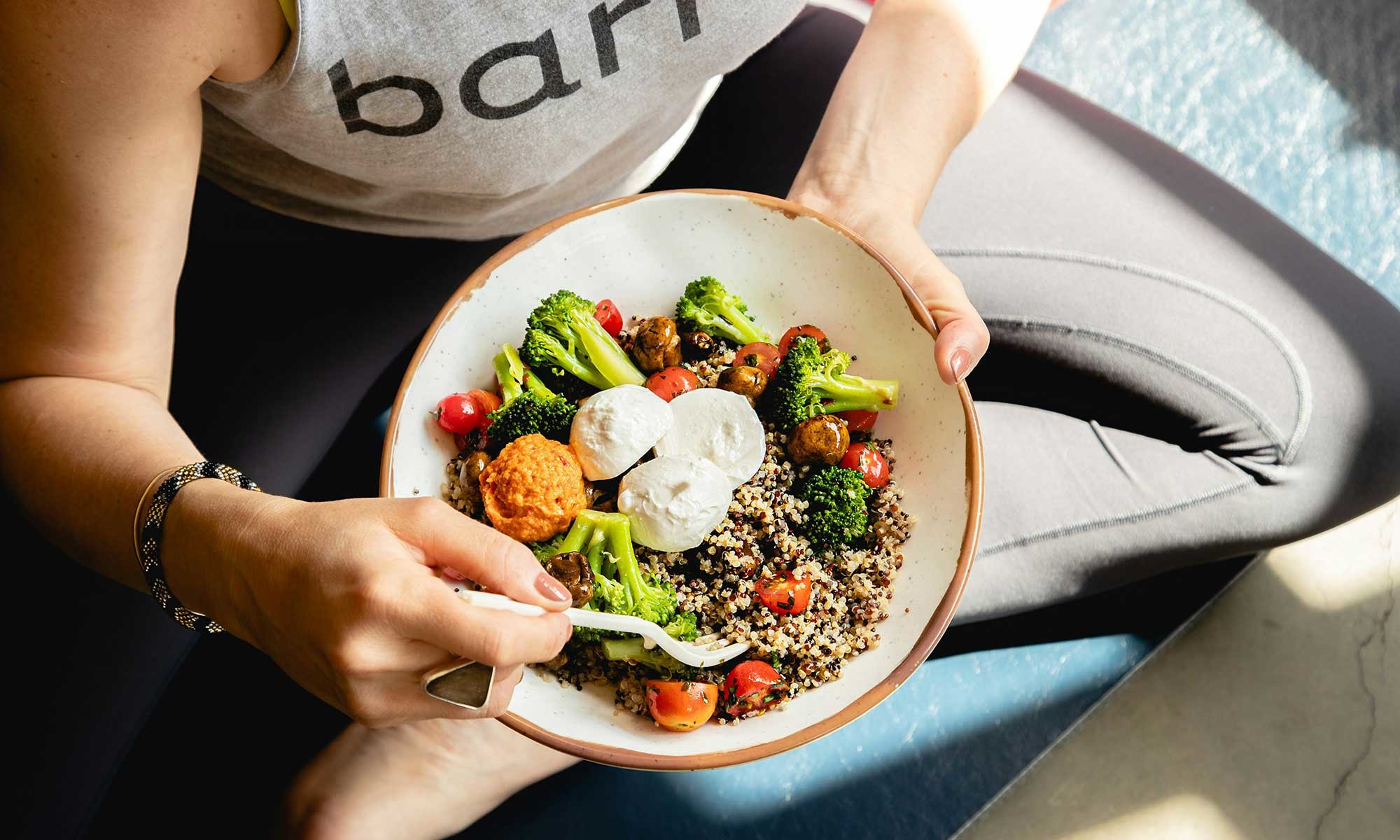
Quinoa, though technically a seed, is a complete protein with essential amino acids and fiber, making it a satisfying alternative to refined grains. Sweet potatoes, especially when cooked and cooled, develop resistant starch, which further stabilizes blood sugar. Cooling transforms the starch structure, making it harder to break down rapidly.
Fruits: Not All Sugar Is Created Equal
Berries are lower in sugar than many fruits and packed with fiber and antioxidants like anthocyanins. These compounds reduce inflammation and support healthy glucose regulation. A 2022 review linked anthocyanins to lower fasting blood glucose and HbA1c levels in individuals with prediabetes or diabetes.
The Green Banana Advantage
Green (unripe) bananas and plantains are high in resistant starch, improving insulin sensitivity and reducing post-meal glucose spikes. As they ripen, this starch converts to sugar, making the greener versions preferable for blood sugar control.
Why This Matters: The modern diet often prioritizes quick energy over sustained health. High-glycemic foods lead to crashes, cravings, and long-term metabolic issues. Choosing low-glycemic carbs isn’t just about avoiding spikes; it’s about optimizing energy, mood, and reducing the risk of chronic disease.
Pairing these carbs with healthy fats or protein is essential for optimal glucose control. Instead of fearing carbohydrates, focus on selecting the right ones and enjoying them as part of a balanced plate.