There is a massive gap between looking thin and actually being healthy. I used to think I was bridging that gap by pouring Splenda into my coffee and chugging sugar-free Red Bulls. I felt clever. I felt disciplined. I was wrong.
I ignored the warnings about artificial sweeteners because I was hooked on caffeine and cheap calories. Who wants to give up the taste of sugar without the guilt? But the more I looked into what’s actually in those products, the more I realized I wasn’t fueling my body—I was feeding it chemicals.
Here is why I stopped drinking the “sugar-free” hype, and what you might want to consider before buying into it.
The “Sugar-Free” Label Is Often Misleading
First, let’s address the biggest myth: sugar-free does not mean calorie-free.
Many people assume that if a package says “sugar-free” or “fat-free,” it is a diet-friendly choice. It isn’t. Manufacturers often add other ingredients to replace the texture and bulk that sugar provides. These replacements can be high in calories themselves. Worse, recent studies suggest these sweeteners might actually trigger hunger rather than suppress it.
There are also products labeled as healthy that spike blood sugar just as fast as sugar does. Think about sugar-free cookies. They are often made with white flour. White flour breaks down into glucose rapidly. So you avoid the sugar, but you still get the blood sugar crash. The label is a trap.
Aspartame and the Fear Factor
Aspartame is everywhere. You know it by names like NutraSweet, Equal, or Canderel. It is the standard chemical sweetener in many diet sodas and chewing gums.
The potential side effects listed in various health reports sound like fiction. We are talking about hallucinations, seizures, and links to brain tumors. While regulatory bodies debate the safety levels, the sheer volume of concerning anecdotal reports and emerging research makes it hard to justify consuming it for a few saved calories. Is it worth the risk?
Splenda’s Impact on Organs
I used to love Sucralose (brand name Splenda). It was my go-to. That changed when I read about the physiological impact.
Recent animal studies indicate that Sucralose can cause the liver and kidneys to enlarge. It can also shrink the thymus gland, which plays a key role in the immune system. When Sucralose breaks down, it creates byproducts like dichlorofructose. These compounds have not been adequately tested in humans.
The reported side effects are not just minor inconveniences. They include:
* Skin rashes
* Panic attacks
* Diarrhea
* Headaches
* Bladder issues
* Stomach pain
These symptoms don’t even cover the more serious allegations. Some recent studies have raised alarms about potential carcinogenic effects. Should we be overlooking cancer risks for the sake of a zero-calorie drink? Probably not.
The Environmental Waste
There is another angle here that rarely gets discussed: waste.
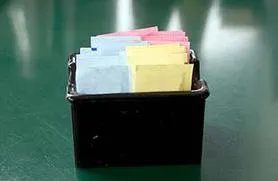
Walk into any coffee shop. Look at the counter. Look at the trash can. You will likely see a mountain of unused artificial sweetener packets. These are single-use plastics and chemicals, discarded for a product that many people still find unpleasant or ineffective for weight loss.
We are dumping resources into the environment to support an industry that may be harming our bodies. It feels wasteful. It feels unnecessary.
What to Use Instead
If you need sweetness, turn to nature. You don’t have to quit sugar entirely, but you can swap out the synthetic stuff for alternatives that your body recognizes.
Good options include:
* Honey
* Organic maple syrup
* Molasses
* Date sugar
* Brown rice syrup
* Stevia
These natural sweeteners are less processed. They won’t wreak havoc on your organs in the same way. Plus, by supporting natural production, you help reduce the demand for toxic artificial alternatives.
I think they taste better, too. The chemical aftertaste of aspartame or sucralose is hard to ignore once you start paying attention.
The shift isn’t just about health. It’s about being honest with yourself about what you are putting into your body. You don’t have to be perfect. But maybe you can start by reading the label. The “sugar-free” badge might be the least healthy thing on the pack.