
You know the feeling. You wake up, eyes heavy, mood sour. That is just the tip of the iceberg. Skipping sleep does far more damage than a bad attitude or puffy eyes. It is a systemic assault on your biology. The stakes are high. Heart disease. Wild weight swings. Even hallucinations.
Most adults believe they are fine. They are not. In a large-scale study, nearly 80% of people admitted to missing their recommended nightly rest. So what is the actual target? Research points to seven to nine hours for optimal cognitive function. You might find a dog doing backflips on late TV fascinating. It is not worth losing your sleep for.
If you are currently pulling an all-nighter, close this tab. Find a pillow. If you are just curious about the damage, keep reading. Here is how moderate sleep deprivation reshapes your mind and body.
The Memory Erasure
Imagine your hard drive formatted. Every birthday. Every vacation. What you ate for lunch yesterday. Gone. No recollection.
This is the reality of a sleep-deprived brain. Sleep is not rest. It is active maintenance. Without it, your ability to consolidate memories collapses. Learning daily tasks becomes a struggle. Decision-making falters.
Research highlights the role of REM sleep. This is the dream phase. It takes the fragile memories created during the day and moves them to long-term storage. It organizes the data. Without REM, that data stays in the inbox. It never gets filed away. You lose the past to function in the present.
The Weight Gain Mechanism
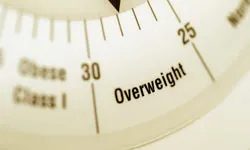

Think sleep is just about resting your eyes? Think again. Getting enough rest is tied to weight management in ways that go beyond simple willpower. In 1984, a sleep study found that people who averaged six hours of sleep per night were 27 percent more likely to be overweight than those who got seven to nine hours. And those who averaged only five hours of sleep per night were 73 percent more likely to be overweight.
When the body is forced to stay awake, it becomes very difficult for it to process blood sugar and leptin, a protein hormone that regulates appetite and metabolism. Over time, poor sleeping habits could lead to type 2 diabetes and weight gain, due to your body’s decreased ability to process sugar and suppress food cravings.
The Link Between Sleep Deprivation and Weight Gain
It’s not just about feeling tired. The biological machinery governing how you store fat and manage hunger relies on a functioning circadian rhythm. When you cut sleep short, you disrupt the production of leptin. This hormone tells your brain you are full. Without it, that signal gets garbled. You eat more, you crave more sugar, and your body handles glucose less efficiently. The result is a slow, steady accumulation of weight that feels impossible to shake, even if you are trying.
This is why sleep deprivation and weight gain are often discussed in the same breath. It’s a physiological trap, not just a behavioral one.
Understanding Sleep Paralysis
During deep REM sleep, your muscles (except those in the eyes) are essentially immobilized in order to keep you from acting out on your dreams. Unfortunately, this effort your body makes to keep you safe while dreaming can sometimes backfire, resulting in sleep paralysis.
Sleep paralysis occurs when the brain is aroused from its REM cycle, but the body remains in its immobilizing state. This can be quite a frightening sensation because, while your mind is slowly regaining consciousness, it has no control over your body, leaving some with a feeling of powerlessness, fear and panic.
Most people experience this eerie phenomena at least once in their lives, but those who are sleep deprived are more likely to have panicked episodes of sleep paralysis that are usually accompanied by hallucinations, as well.
A Weakened Immune System
When you skip sleep, your body’s defense grid goes offline. It’s not just about catching a cold. Chronic sleep loss reduces the production of cytokines, proteins that target infection and inflammation. Without enough rest, your body struggles to produce antibodies that fight off viruses. You become more susceptible to everyday pathogens that a well-rested immune system would shrug off.
“Sleep is not a luxury. It is a biological necessity for immune function.”
The connection is direct. Less sleep means fewer protective cells. You might notice you’re catching every bug that goes around the office or that minor cuts take longer to heal. It’s your body’s way of signaling that its internal defenses are compromised. Prioritizing rest isn’t just about avoiding dark circles; it’s about maintaining the frontline of your health.

The Hidden Cost of Skipping Sleep on Your Heart
Most people treat sleep like a luxury when they’re sick, but avoiding rest during an illness actually makes things worse. Science has long linked chronic sleep deprivation to a sluggish immune system. More recently, researchers found that even “modest” deprivation—defined as less than six hours a night—directly dampens immune response.
The fix is straightforward. Aim for at least seven hours of sleep nightly. Pair that with a nutrient-dense diet. When the next cold virus hits, you’ll be the one functioning while others are stuck in bed with fevers.
How Sleep Deprivation Drives Hypertension
High blood pressure doesn’t announce itself with fanfare. It just builds. But cutting your nightly rest to under six hours actively puts you on that path.
When you sleep, your heart rate slows. Your cardiovascular system gets a mandatory breather. Skip that window, and your heart works overtime without its scheduled pause. The body adapts to this constant strain by raising your baseline blood pressure. It’s not a temporary spike. It’s an accommodation to chronic stress.
This isn’t just about the heart. Your brain is equally affected. Sleep deprivation restricts the time your brain has to regulate stress hormones. Over time, this can permanently blunt your brain’s ability to manage cortisol and adrenaline. The result? Persistently elevated blood pressure.
Getting recommended sleep isn’t just rest. It’s one of the simplest, most effective actions you can take to keep your heart healthy.
Why the Connection Matters
The link between short sleep and hypertension is well-documented. A 2006 study from Columbia University’s Mailman School of Public Health highlighted this risk clearly. The data suggests that the less you sleep, the harder your body works to maintain equilibrium.
This is why experts emphasize consistent rest. It’s not about catching up on weekends. It’s about daily maintenance. Your body needs that nightly reset to regulate hormones and lower cardiovascular load.
If you’re wondering how to protect your heart without changing your diet or exercise routine, look at your calendar. Reducing nighttime hours is a free, immediate variable you can control. Ignoring it might save you an hour of wakefulness today. It could cost you years of health tomorrow.
The choice is between working harder now or working harder later. Your arteries prefer the former.