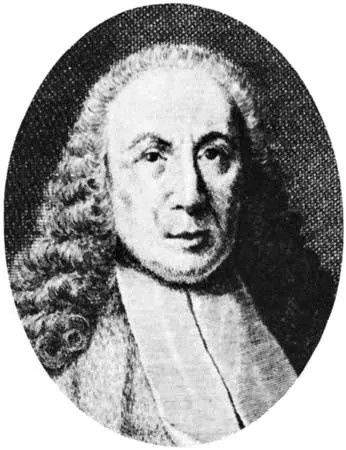
病理学が厳密な科学になる前、医師はしばしば推測をしていました。 彼らは症状を観察し、治療を提供しますが、体の内部で何が起こっているのかを実際には理解していません。 それからジョヴァンニ・バティスタ・モルガーニ。 1682 年にイタリアのフォルリで生まれた彼は、病気を観察するだけではありませんでした。 彼はそこに実際の家があることを証明した。
モルガニの仕事は、患者が感じていることと外科医が見ているものの間のギャップを埋めるものです。 彼は、特定の疾患を臓器の構造変化と結びつける分野である「病的解剖学」の創始者として広く認められています。 これは単なる学術的な好奇心ではありません。 それは医療の実践方法を変えました。
From student to anatomy demonstrator
His journey begins in Bologna. He completed his degrees in philosophy and medicine in 1701. However, his actual training began under Antonio Maria Valsalva, a famous anatomist of the time. Morgagni acted as prosecutor and helped Valsalva write his famous treatise De Aure Humana, published in 1704.
This is a lot of work. Inner ear surgery requires precision. Morgani rules it.
He eventually replaced Valsalva as a dissection demonstrator. However, he did not stay long in Bologna. He moved to Padua. That’s where the academic landscape changes. In 1710 he became a professor of medicine. Five years later, he became a professor of anatomy. He doesn’t just teach theory. He prepared his body for studying.
Evidence from the autopsy room
His reputation for accuracy developed early. Between 1706 and 1719 he published Adversaria Anatomica. These are detailed recordings of his autopsy. They showed a keen eye for detail that was rare at the time. He noticed a change. He recorded anomalies. He didn’t ignore the messy realities of the human body.
However, his magnum opus was not published until 1761. De Sedibus et Causis Morborum per Anatomen Indagatis (translated “Anatomical Study of the Parts and Causes of Disease”*) changed everything.
Why is this important? Because it connects cause and effect.
This book contains 640 anatomical records. Morgani explored every inch of his body. He is looking for the “root cause” of the disease. Where’s the damage? what does it look like? He found a pattern. Heart disease manifests itself as structural changes in the heart. Lung problems are related to lung tissue damage.
“He was the first to show that diagnosis, prognosis and treatment must be based on a thorough understanding of the anatomical condition.”
This was a direct challenge to the prevailing theory of the time. Many doctors still rely on humoral theory and abstract concepts. Morgani pointed to the organ. He pointed to the wound.
临床医生,而不仅仅是理论家
人们很容易将莫尔加尼视为一位超然的观察者。 他不是。
他保持着积极的临床实践。 他治疗病人。 他看到了他们的症状。 然后他将这些症状追溯到他在尸检室看到的情况。 这种反馈循环是革命性的。
他从未试图将病理解剖学 与临床医学隔离开来。 他不希望它成为一门远离实际需要的独立科学。 他想要它