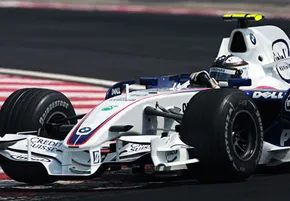
F1 used to be a blood sport. Although there are still moments when it seems that way, the reality is that modern F1 cars are engineering marvels built around one goal: to keep people alive. Decades ago, crashes left drivers with broken bones or worse, and spectators faced potentially fatal consequences. Today, the sport has turned into a bastion of safety protocols, advanced materials, and quick-action teams.
Central to this protection is the survival cell, also known as the monocoque. It’s not just the body of the car. It is a very strong, hard case that will remain intact even if the rest of the vehicle falls apart. The driver sits on an individually designed seat inside the unit. This seat is not only comfortable. It sits comfortably low, so the driver’s head doesn’t extend far beyond the cockpit line. This low profile prevents tracks or debris from pinching the head if the car rolls over.
Nomex Barrier and HANS device
When the vehicle is secured, the driver’s body is protected by Nomex driver’s coveralls. This synthetic fabric forms a seamless barrier when combined with boots, gloves and helmets. The standard requirement is that these overalls can withstand fire for at least 12 seconds. That may not sound like a long time, but it is critical time for rescue teams to enter the wreckage and extract the driver before the cockpit bursts into flames. Even sponsor logos printed on clothing must be fireproof so as not to add fuel to the fire.
But fire is not the only threat. The Head and Neck Support System (HANS) is essential equipment that can significantly reduce catastrophic head injuries. Developed by Michigan State University engineering professor Robert Hubbard in the 1980s for powerboat racers, HANS is a carbon fiber collar that wraps around the driver’s neck. Attaches loosely to the helmet with 3 straps. This setting allows the head to move freely during normal driving, but prevents sudden bending in a frontal collision. This prevents the “whiplash” phenomenon that once caused drivers to break their necks and die. F1 made HANS mandatory for all drivers in 2003 after it was redesigned specifically for the open cockpit.
Helmet technology and safety systems
The helmet itself has developed more in terms of material than shape. It looks the same as it did 20 years ago, but the structure is completely different. Today’s helmets use layered carbon fiber, the same material used in the monocoque. This makes it very strong but very light. In a high-speed collision, the reduced mass of the helmet reduces the amount of momentum transferred to the driver’s brain. Like the seat, each helmet is tailored to the exact measurements of the rider’s head to provide maximum protection.
Securing the driver in the custom-made seat is a five-point harness. This system uses five straps: one on each shoulder, one on each side, and one between the legs. All straps are held together by a central buckle. The buckle is locked for the duration of the race. However, the built-in quick release mechanism allows marshals or the driver to extricate the car in seconds if it catches fire or becomes trapped.
Law enforcement authority monitoring and emergency assistance
Cars are only part of the safety equation. F1 employs hundreds of people to manage risks on and off the track. Marshals wear bright orange overalls to stand out. Their mission is threefold. It alerts drivers to hazards such as debris and oil, removes damaged vehicles from the track and keeps spectators behind barriers.
Two specialist vehicles are deployed at each Grand Prix to manage race progress and medical operations. When danger appears, the Safety Car takes over and forces all drivers to slow down and maintain formation. Overtaking is strictly prohibited. This keeps the scene isolated and allows marshals to work safely. medical car followed the doctors and rescue workers. If a driver is involved in an accident and injured, a medical vehicle will be parked in front of the scene and immediate medical attention will be provided until the driver can be released.
The scale of these events is huge. One Grand Prix attracts more than 120,000 spectators to the track and more than 30 million viewers worldwide. Compare that to the NFL’s regular season attendance of 66,500, and you’ll see that F1 events are closer to Super Bowl-level gatherings in terms of crowd size and stakes.
For fans, the price is high. General admission tickets start at around $150, and a trip to international circuits can quickly add up. Still, the group continued to grow. Why? Because the pain and ecstasy of watching the world’s fastest cars compete at the limits of physics is unmatched by any other sport. Safety features make your drive full of drama instead of tragedy.
The next step to understanding F1 is to look at the car itself. How engines work, how they produce power and how different racing series such as NASCAR and Champ Car deal with safety issues differently provides a wider context for what makes F1 unique. The official F1 website and publications such as F1 Racing Magazine provide a detailed discussion of these technical aspects.