


Avocados aren’t just a millennial trend. They’re a powerhouse fruit with a dense nutrient profile that supports heart health and weight management. While often dismissed as an expensive luxury, the science tells a different story. One study shows adding one avocado a day didn’t cause weight gain or increased visceral fat. Instead, it improved diet quality scores.
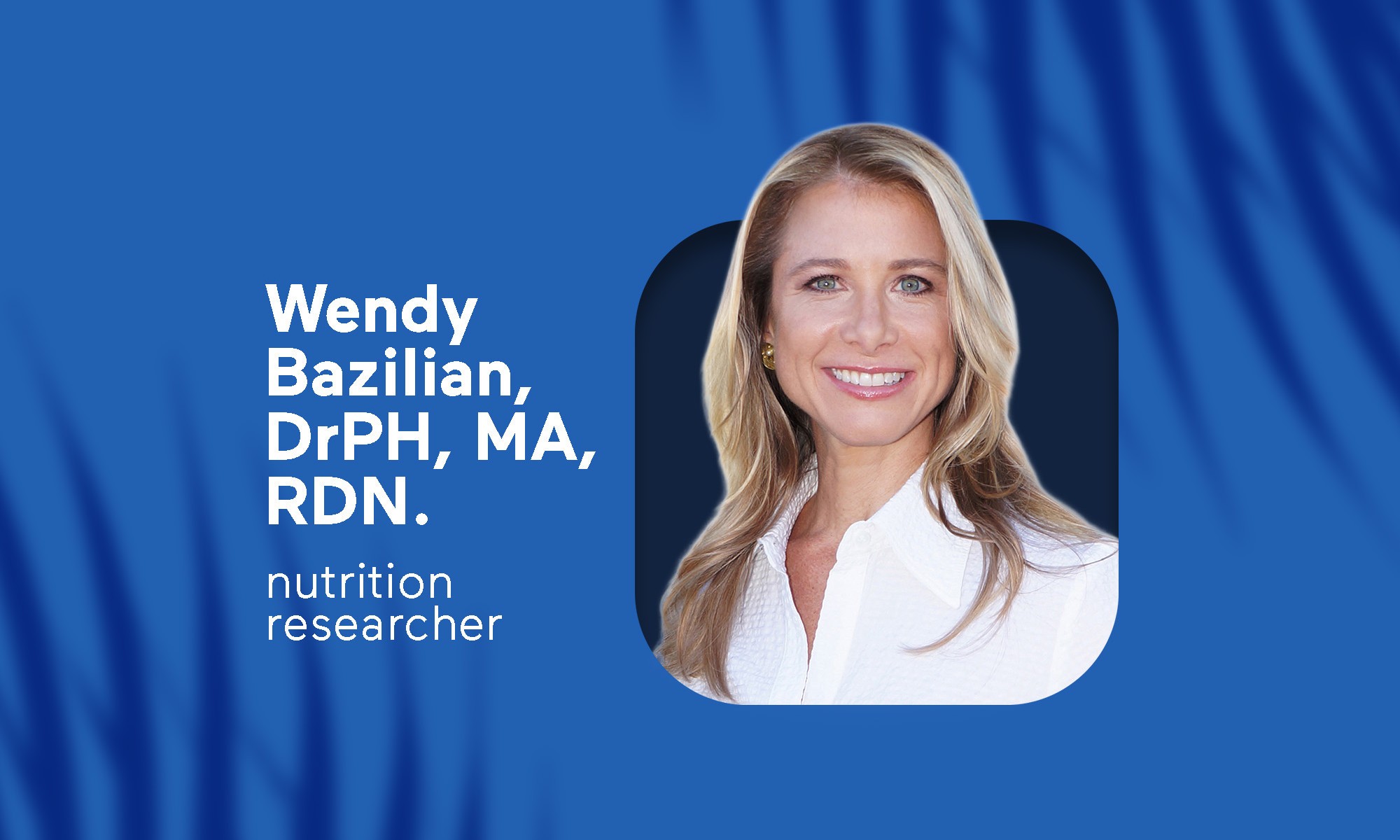
I spoke with nutrition researcher Dr. Wendy Bazilian about why this creamy fruit deserves a permanent spot in your diet. The conversation shifted my perspective on food value entirely. It’s not just about calories. It’s about what those calories actually deliver to your body.
The Value Proposition Behind the Price Tag
Avocado toast sparked a cultural war. Older generations used it as proof of wasteful spending. Millennials defended it as wellness. Bazilian cuts through the noise. She argues that millennials might have been onto something.
When you break down an avocado, you find fiber. Unsaturated fats. Antioxidants. Over twenty vitamins and minerals. The price-per-bite equation changes when you look at nutritional density rather than just cost. The real question isn’t how much you pay. It’s the value you get for that price.
And this isn’t a fleeting wellness fad. The body of research grows steadily. It points toward specific benefits for blood sugar management and cardiovascular health.
Why Unsaturated Fat Is Your Friend
For decades, we feared fat. Early research linked certain fats to cardiovascular risk markers. So we cut it out. The logic was simple: fat has more calories per gram than protein or carbs.
But the science has evolved. Not all fat is the same. Studies in the 2010s showed that swapping saturated fats for unsaturated fats lowers cardiovascular disease risk. Here’s the catch. Avocados are virtually unique. They are one of the only fruits containing unsaturated fats. One-third of a medium avocado provides about 6 grams.
Fat isn’t just energy. It’s necessary for absorbing fat-soluble vitamins like A, E, D, and K. It adds texture. It creates satisfaction. It makes food taste like food.
What the HAT Study Revealed
The Habitual Avocado Trial, known as the HAT study, offers concrete data. It’s one of the most comprehensive looks at avocado consumption to date. Nearly 1,000 participants joined. They had elevated waist circumference at the start. Their task was simple: add one whole avocado to their daily diet for six months.
The result? No weight gain. No increase in visceral fat. This is the dangerous kind of fat around organs that raises heart disease risk. Instead, participants saw higher diet quality scores. As Bazilian put it: “You’re getting sort of a two for one. You’re getting a diet quality boost with no change in weight.”
Not All Calories Are Created Equal
Calories create hesitation. They feel like a debt. But a food’s real value lies in its delivery system. Avocados bring unsaturated fats and fiber. They pack over twenty vitamins and minerals. They support day-to-day well-being within their calorie count.
Instead of asking how many calories are in your food, ask what you are getting per bite. This shift in perspective matters. It moves focus from restriction to inclusion.
Serving Size vs. Portion Size
Most people mix these up. I used to, too. “A serving size is a standard of measure,” Bazilian explains. “A portion is how much you eat.”
The serving size is the math. It’s the baseline. Your portion is the choice you make based on hunger. And activity levels. And life. Knowing the difference helps you avoid guilt while still getting the nutritional benefit. One-third of a medium avocado counts as one serving.
Closing the Fiber Gap
Only 6% of adults meet the daily recommended fiber intake. Roughly 94% fall short. This matters. Fiber doesn’t just support gut health. It slows digestion. It keeps you feeling satisfied longer. It lowers LDL, or “bad,” cholesterol. Lower LDL reduces heart disease risk.
Fiber remains abstract to many. We spot protein sources easily. Fiber confuses us. When we realize we’re behind, we often reach for supplements. But whole foods offer better synergy. One-third of an avocado provides 3 grams of fiber. That’s over 10% of your daily goal. Eat the whole fruit, and you’re a third of the way to the recommended 25–35 grams. Add whole grains and vegetables, and the target becomes reachable.
Managing Blood Sugar and Metabolic Health
Fewer than 10–12% of Americans are considered metabolically healthy. Nutrition is a powerful lever to change that. A secondary analysis of the HAT study looked at glycemic load. This is the cumulative effect of food on blood sugar.
Participants eating one large avocado daily saw their dietary glycemic load drop by 10 points (note: article text says 14 points in one spot, let’s stick to the source “14 points” if explicitly stated, yes it is). A lower glycemic load links to better blood sugar control. It lowers the risk of type 2 diabetes. It reduces other cardiometabolic risks.
This wasn’t about isolating the avocado. You can swap it into muffins. Pesto. Granola bites. Marinades. You replace added sugars and saturated fats. It works at breakfast, lunch, dinner. Even dessert. It’s sustainable because it fits into meals you’re already eating.
The Power of Food Synergy
Bazilian talks about food synergy often. The idea is that foods become more valuable when eaten together. Avocados provide unsaturated fat. That fat boosts the absorption of carotenoids. Carotenoids are plant compounds found in carrots and kale.
Add avocado to a carrot salad, and you’re not just adding creaminess. You’re increasing nutrient absorption. Bazilian makes a “synergy salad.” It has walnuts. Avocado. Carrots. Currants. Kale. A vinaigrette.
“The avocado once massaged into the kale sorts of makes the cells break open,” she says. The vitamin K in the kale is released. The carrots add carotenoids. You get more from the combination than the sum of the ingredients.
Three Moves That Actually Work
When asked to cut through the noise, Bazilian highlighted three practical shifts:
- Add, Don’t Subtract: Research on avocados shows addition over restriction. A whole avocado daily improved diet quality without negative weight impact. Find foods with real value. Add them.
- Think in Patterns: We eat meals, not isolated nutrients. Food synergy works because whole foods build on each other. Building a pattern of healthy eating compounds over time.
- Trust Practical Science: The research has tangible implications. It involves real people making real choices. The results are consistent and repeatable.
The takeaway is simple. The foods easiest to add are often those with the most to offer. Avocadors check every box. The science keeps growing. And the question of whether they’re worth it seems to answer itself.
Tune in to the full interview on Apple Podcasts, Spotify, or YouTube to hear more about navigating the noise.
Disclosure: The Avocado Nutrition Center funded and supported the referenced studies. While findings from single studies cannot be generalized, they contribute to a growing body of evidence linking avocado consumption to improved diet quality and lower glycemic load.


