Age spots. We’ve all got them. Or at least, we’ve seen them. Also known as liver spots or sunspots, these flat, darkened patches of skin are essentially a receipt for years of UV exposure. Ultraviolet light刺激ates skin cells to crank out melanin. More melanin means darker skin color. Eventually, those pigment clusters settle in as hyperpigmentation.
You want them gone. You want clear skin. It’s a reasonable desire. But the bathroom cabinet is full of snake oil.
Do home remedies like lemon juice or apple cider vinegar actually fade spots? Or are you just burning your face? Let’s cut through the noise. Here is what actually works, what doesn’t, and what dermatologists recommend for treating age spots effectively.
Why Your Kitchen Cabinet Is Likely Making Things Worse
There is a pervasive myth that “natural” means “effective.” For hyperpigmentation? Often, it just means “irritating.”
Dr. Robert Anolik, a board-certified dermatologist, warns that many DIY fixes can backfire. Some even cause post-inflammatory hyperpigmentation. This is irony of the highest order. You apply a remedy to fix a dark spot, only to create another dark spot.
Here is the breakdown of four popular at-home staples. Spoiler: Most are useless for fading spots.
Aloe Vera
Aloe is a celebrity for a reason. It soothes sunburn. It cools angry skin. But it won’t touch age spots.
Dr. Jordan Carqueville notes that aloe is an inactive ingredient regarding pigmentation. Sure, early research suggests aloesin—a chemical in aloe—can block the enzyme that triggers melanin. But aloesin lives in the outer layers of the leaf. The gel in your bottle? It’s neutral. It’s calming, not correcting. Don’t expect results here.
Lemon Juice
This one is dangerous.
Lemon juice contains citric acid and ascorbic acid. In controlled, stabilized topical skincare products? These brighten skin. But slathering straight lemon juice on your face is a different story entirely.
It hasn’t been shown to be effective in studies. Instead, it poses a risk of phytophotodermatitis. What’s that? It’s a skin reaction when sunlight interacts with citrus compounds. The result? Burns. Blisters. And worse discoloration. Skip the sour.
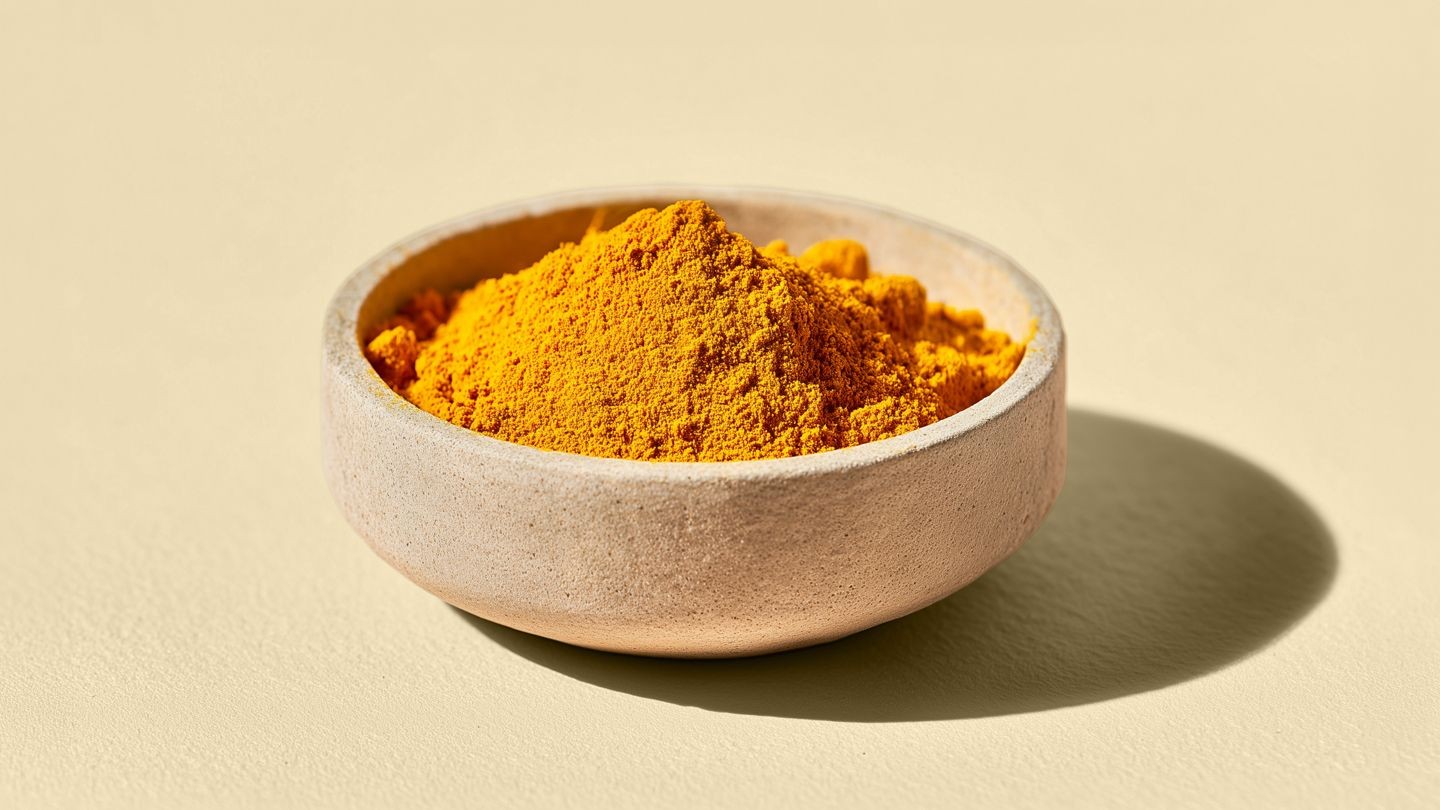
Turmeric
Turmeric is anti-inflammatory. It’s a superfood. But applying powder directly to skin? That’s asking for trouble.
Curcumin, the active ingredient, inhibits tyrosinase—the enzyme responsible for melanin. Lab studies from the past support this mechanism. But Anolik points out this hasn’t been tested on people for skin lightening. Worse, pure turmeric causes irritation. Irritation leads to inflammation. Inflammation leads to dark spots. The math doesn’t work.
Apple Cider Vinegar
Acetic acid exfoliates, theoretically. Or so the internet claims.
No. There are no published randomized controlled trials supporting apple cider vinegar for hyperpigmentation. None. Furthermore, its acidity is likely to disrupt your skin barrier. It causes irritation. If you damage the barrier, you compromise your skin’s ability to heal and protect itself. It’s a gamble with low odds and high stakes.
“To date, there are no published randomised controlled trials supporting its use for hyperpigitation.”
— Dr. Robert Anolik, on Apple Cider Vinegar
OTC Remedies Backed by Science
If you want results, you need ingredients that interrupt the biological process of melanin production or accelerate cell turnover. The over-the-counter market is cluttered, but a few standouts have actual research behind them.
Vitamin C (Ascorbic Acid)
Vitamin C is a powerhouse. It’s naturally present in the skin. Whitney Bowe, MD, calls it one of the most potent ingredients for brightening.
It works by inhibiting tyrosinase. It stops melanin production before it starts. It also offers protection against UV damage. Double duty. Prevention and correction.
Look for L-ascorbic acid in stable formulations. If the product is orange or smells metallic, it’s oxidized. Trash it. You want a clear or pale yellow serum applied in the morning under sunscreen.
Retinoids (Retinol)
Retinoids are derivatives of vitamin A. You’ll mostly find them as retinol in stores.
They speed up skin-cell turnover. Old, pigmented cells shed faster. New cells take their place. Retinoids also inhibit tyrosinase directly. They break up pigment clumps from two angles.
There is a catch. Retinoids are harsh. Dryness. Itching. Redness. Burning. A classic “purging” phase.
How to mitigate? Start slow. Apply once every three nights. Just a pea-sized amount. Let your skin adjust. Then increase frequency. Moisturizer is your best friend here. Don’t skip it.
Alpha-Hydroxy Acids (AHAs Glycolic, Lactic, Mandelic)
AHAs are acids that accelerate exfoliation. They don’t necessarily stop melanin production. Instead, they scrub away the evidence. They encourage the shedding of hyperpigmented surface cells.
- Glycolic Acid: The most potent. Best for resilient skin.
- Lactic Acid: Penetrates slower. Hydrating. Gentler. Good for dry skin.
- Mandelic Acid: The gentlest of the bunch. Specifically studied for darker skin tones where the risk of post-inflammatory hyperpigmentation is higher.
Choose based on your tolerance. Don’t start with 10% glycolic if your skin is sensitive.
Niacinamide (Vitamin B3)
Niacinamide takes a unique approach. It doesn’t stop melanin from being made. It stops it from being delivered.
Think of it as a traffic blocker. It stands in the way of pigment transfer from melanocytes to skin cells.
A smaller study from 2011 showed that 4% niacinamide reduced hyperpigmentation in eight weeks. The sample was small, but the mechanism is solid. Look for concentrations between 4% and 5%. Higher percentages don’t always mean better results and can sometimes cause irritation.
The Timeline: Why You’re Giving Up Too Soon
Impatience is the enemy of good skin.
Dr. Carqueville advises giving any new intervention 6 to 12 weeks before judging efficacy. Skin cycles take time. You cannot see results in a week. You cannot fix years of sun damage in three days.
If you’re consistent and see nothing after 12 weeks? Change the approach. Or see a pro.
When to Call the Expert
Home remedies and OTC products have limits. A dermatologist can offer personalized plans. They might suggest prescription strengths, chemical peels, or laser treatments. These are more aggressive. They work faster. But they cost more.
Daily sunscreen is non-negotiable. Dr. Carqueville stresses this relentlessly. You are treating existing spots. If you keep exposing yourself to UV light, you’re creating new ones. You’re undoing all the work. Sunscreen is the foundation. No sunscreen, no treatment works.
Red Flags: Spotting Skin Cancer
Not every dark spot is an age spot. Sometimes, it’s something serious.
See a dermatologist immediately if:
* Age spots are asymmetric.
* They change size, shape, or color.
* Borders are irregular.
* They contain multiple colors.
* They bleed, itch, or hurt.
* They are new and growing.
Don’t assume. Get it checked.
The Bottom Line
Age spot remedies range from snake oil to scientifically backed actives. Aloe, lemon juice, turmeric, and apple cider vinegar? They’re ineffective at best and damaging at worst.
Real results come from tyrosinase inhibitors (Vitamin C, Retinoids) or cell-turnover accelerators (AHAs, Retinoids). Niacinamide offers a different pathway by blocking pigment transfer.
Consistency matters. Sun protection matters. Time matters.
Start with 4-5% niacinamide or a stabilized Vitamin C serum. Add retinoids slowly if your skin can handle it. Wear sunscreen every single day. Be patient. Your skin will thank you. Eventually.