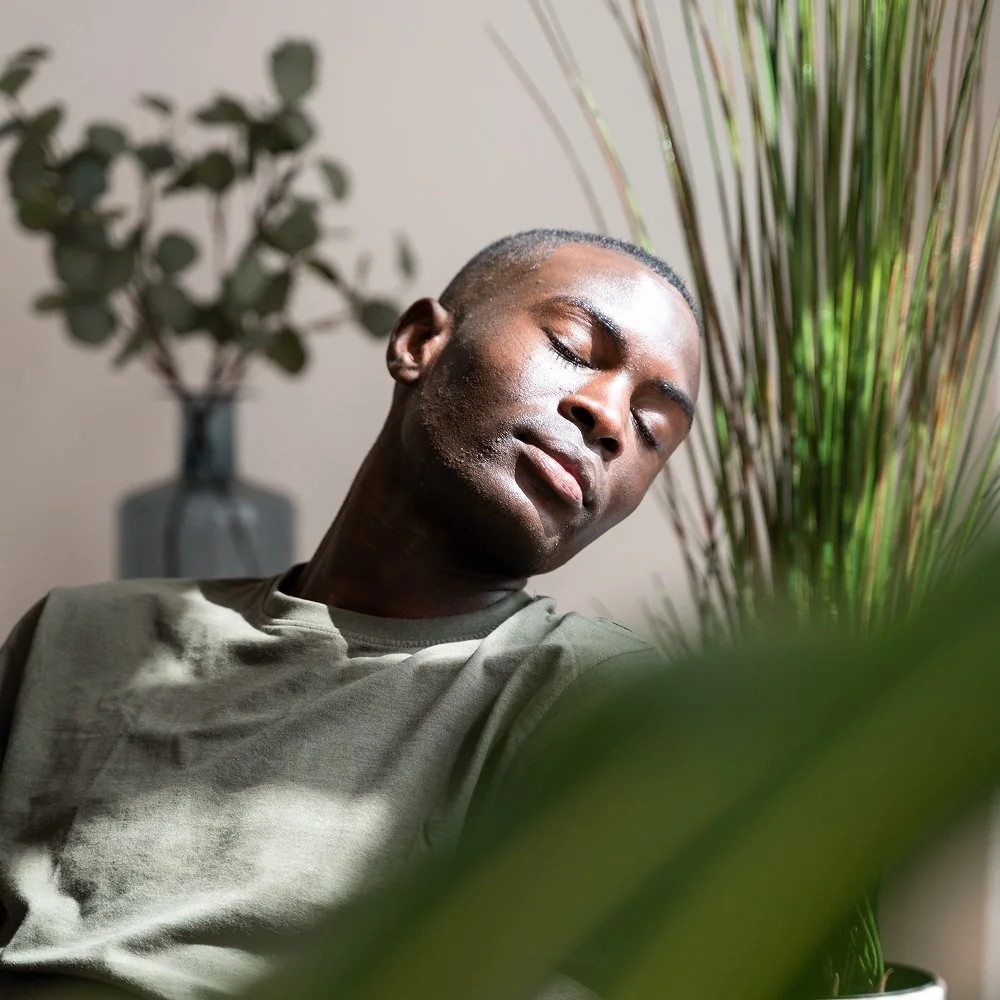
The term “mindfulness” has become ubiquitous in modern wellness culture, often packaged as an elite or complex discipline. However, at its core, mindfulness is neither mystical nor exclusive. It is a practical psychological tool rooted in ancient Buddhist traditions and popularized in Western psychology by Jon Kabat-Zinn in the late 1970s.
Mindfulness is the practice of paying attention to the present moment—your thoughts, feelings, bodily sensations, and surroundings—without judgment.
It is not about emptying your mind or achieving a state of perpetual calm. Rather, it is about meeting reality as it is, whether that reality is peaceful or chaotic. By creating a pause between an event and your reaction, mindfulness allows you to respond with intention rather than impulse.
Why Mindfulness Matters Now More Than Ever
In an era defined by digital saturation and constant connectivity, our attention spans are fragmented. We often operate on autopilot, rushing from one task to the next without fully experiencing life. Mindfulness counters this trend by:
- Reducing Stress: It lowers overall stress levels by calming the nervous system.
- Enhancing Awareness: It helps you notice internal states (like anxiety) before they escalate.
- Improving Focus: It strengthens your ability to concentrate, much like a mental workout.
Key Insight: Mindfulness is not about fixing what is broken; it is about acknowledging what is present. This acknowledgment creates the mental space necessary for clarity and emotional regulation.
5 Accessible Mindfulness Practices
There is no single “correct” way to practice mindfulness. The best approach depends on your energy levels, schedule, and personal preferences. Here are five effective methods to integrate into daily life:
1. Mindful Breathing
- Best for: Quick mental resets and calming anxiety.
- How to do it: Focus on the natural rhythm of your breath. Notice the air entering and leaving your body. When your mind wanders (and it will), gently guide your attention back to the breath without criticism.
- Why it works: Breath is always available, making it a reliable anchor in moments of stress.
2. Mindful Walking
- Best for: Individuals who find sitting still difficult or uncomfortable.
- How to do it: Walk slowly and deliberately. Pay attention to the sensation of your feet touching the ground, the shift in your weight, and the rhythm of your steps.
- Why it works: It combines physical movement with mental focus, making it easier to stay present for those with high energy levels.
3. Body Scan Meditation
- Best for: Relieving physical tension, reconnecting when feeling numb, or winding down before sleep.
- How to do it: Slowly move your attention through your body, starting from your toes and working up to your head. Notice sensations like warmth, tension, or tingling without trying to change them.
- Why it works: It bridges the gap between mind and body, helping you release stored physical stress.
4. Mindful Eating
- Best for: Slowing down during busy days and appreciating daily routines.
- How to do it: Choose one meal or even a few bites to eat with full attention. Notice the smell, texture, and taste of the food. Feel the act of chewing and swallowing.
- Why it works: It transforms routine consumption into a sensory experience, promoting satisfaction and reducing mindless overeating.
5. Everyday Mindfulness
- Best for: Integrating presence into chaotic mornings or mundane chores.
- How to do it: Bring full attention to routine activities like washing dishes, folding laundry, or brushing your teeth. Feel the water temperature, the texture of fabrics, or the bristles against your teeth.
- Why it works: It demonstrates that mindfulness does not require special time or equipment; it can be practiced anywhere, anytime.
Common Questions About Mindfulness
Is mindfulness the same as meditation?
Not exactly. Meditation is a structured practice, often involving sitting quietly and focusing on a specific anchor (like breath or a mantra). Think of meditation as going to the gym for your attention. Mindfulness, however, is a broader state of awareness that can be applied throughout the day—while walking, cooking, or talking. Meditation trains the skill; mindfulness is the application of that skill in real life.
Can I practice mindfulness without sitting still?
Absolutely. In fact, many people find movement-based mindfulness more accessible. You can be mindful while washing dishes, drinking coffee, or commuting. The key is presence, not posture. If sitting quietly feels uncomfortable, choose a practice that involves motion.
How long should I practice?
There is no magic number. Mindfulness can last for a single breath or several hours. The goal is consistency and intention, not duration. Starting with just 30 seconds at a red light is just as valid as a 20-minute meditation session. Build your practice gradually, adapting to your daily schedule.
Can mindfulness help with anxiety and stress?
Yes. Mindfulness helps by creating a gap between stimulus and response. Instead of immediately reacting to stressful thoughts or emotions, you learn to observe them without judgment. This pause allows you to choose a more thoughtful response, which over time can lower overall stress levels and regulate the nervous system.
Conclusion
Mindfulness is not a luxury or a complicated technique reserved for experts; it is a fundamental skill for navigating modern life. By bringing conscious attention to the present moment, you can reduce stress, improve focus, and find peace in everyday activities. Whether through a mindful breath or a deliberate walk, the practice invites you to wake up to the richness of the here and now.