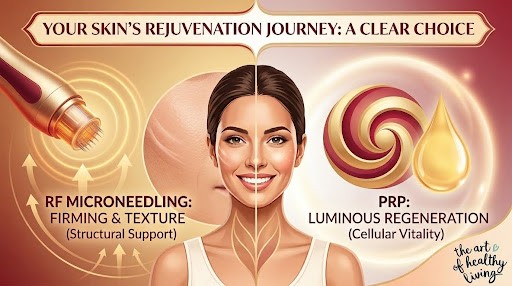
Many people seek effective ways to improve skin quality and combat aging. Two popular options, RF microneedling and PRP (platelet-rich plasma, often called the “vampire facial”), both stimulate collagen production but work differently. The ideal choice depends on your primary goal: lifting sagging skin or improving overall skin health. This article breaks down the science behind each treatment to help you decide.
Understanding the Treatments
The sheer volume of anti-aging options can be overwhelming. RF microneedling and PRP offer distinct benefits, making it crucial to understand their mechanisms before making a decision. RF microneedling delivers heat and micro-injuries, while PRP leverages your blood’s healing factors.
RF Microneedling: Tightening Through Thermal Energy
RF microneedling combines tiny needles with radiofrequency energy to penetrate the skin. The heat, typically reaching 65–70°C, stimulates collagen, elastin, and hyaluronic acid production. Research, including a 2025 Scientific Reports study, shows it reduces aged cells while boosting collagen. Devices like Morpheus8, Secret RF, Vivace, and Profound offer varying levels of intensity, with Profound being FDA-cleared for all three structural proteins.
Expect one to three sessions, with results appearing gradually over three to six months as your body remodels skin.
PRP: Harnessing Your Body’s Repair System
PRP involves drawing your blood, centrifuging it to concentrate platelets, and then injecting or applying the plasma to the skin. Platelets contain growth factors that accelerate wound healing and tissue regeneration. The Cleveland Clinic notes its rising use in cosmetic treatments since the 2010s.
PRP is especially effective for radiance, evening skin tone, and treating mild scarring. Since it uses your own blood, allergic reactions are virtually nonexistent. Three to four sessions, spaced four to six weeks apart, are typical.
Which Treatment Is Right for You?
The best treatment depends on the specific skin concern.
For Sagging or Laxity: RF Microneedling Takes the Lead
If your main issue is sagging skin, RF microneedling is superior. The thermal energy tightens existing collagen while stimulating new production at a deeper level than PRP. This is most noticeable on the jawline, lower face, and neck, where gravity’s effects are most visible. PRP cannot replicate this thermal tightening.
For Dullness, Uneven Tone, or Mild Scarring: PRP Excels
If your skin looks tired, uneven, or has mild scarring, PRP combined with microneedling is a strong choice. The growth factors speed up repair and turnover, leading to brighter, smoother skin. The American Academy of Dermatology confirms it reduces scarring compared to microneedling alone.
The Combined Approach: Best of Both Worlds?
Some clinics offer both treatments in the same session, and clinical evidence supports this. A 2024 trial on neck wrinkles found that combining radiofrequency with PRP delivered better elasticity and collagen outcomes than either treatment alone, with sustained results over time.
Realistic Expectations and Practical Considerations
Neither treatment provides instant results. With PRP, expect a glow within days, but texture and tone improvements take weeks. RF microneedling’s tightening becomes visible around four to six weeks, with full effects in three to six months due to gradual collagen remodeling.
Before committing, review real before-and-after photos from the specific clinic and device you’re considering. Avoid stock images or filtered posts. RF microneedling outcomes vary by device and provider, so seeing evidence from your actual treatment option is crucial.
Downtime, Cost, and Comfort
PRP microneedling involves one to two days of redness with easy recovery. RF microneedling requires two to five days of redness and swelling, with potential bruising. Profound RF demands five to seven days of social downtime.
PRP typically needs three to four sessions, while RF microneedling may require fewer, especially with Profound RF. PRP is generally less expensive per session, but RF’s potentially fewer sessions can balance the cost. Both use numbing cream, though RF may be slightly more uncomfortable due to heat. Profound RF is often done under local anesthesia for comfort.
Provider Matters
Choose a medical doctor with cosmetic skin treatment expertise, as recommended by the American Academy of Dermatology. These treatments require skill to ensure safety and effectiveness.
Both treatments are generally safe across skin tones, but proper settings and experience are vital, particularly for darker complexions to avoid hyperpigmentation. Avoid at-home microneedling rollers, as the AAD warns of infection and technique issues. Professional-grade treatments work at depths and energy levels consumer devices cannot safely replicate.
If you have active breakouts, eczema, or skin infections, wait until they clear before treatment. Finally, understand that RF microneedling devices vary; ask your provider why they chose theirs.
In conclusion, neither RF microneedling nor PRP is universally better. The right choice depends on your goals. If you prioritize lifting sagging skin, RF microneedling is superior. For radiance, tone, and mild scarring, PRP excels. Combining both may provide the most comprehensive results, but matching the treatment to the need remains the smartest approach.