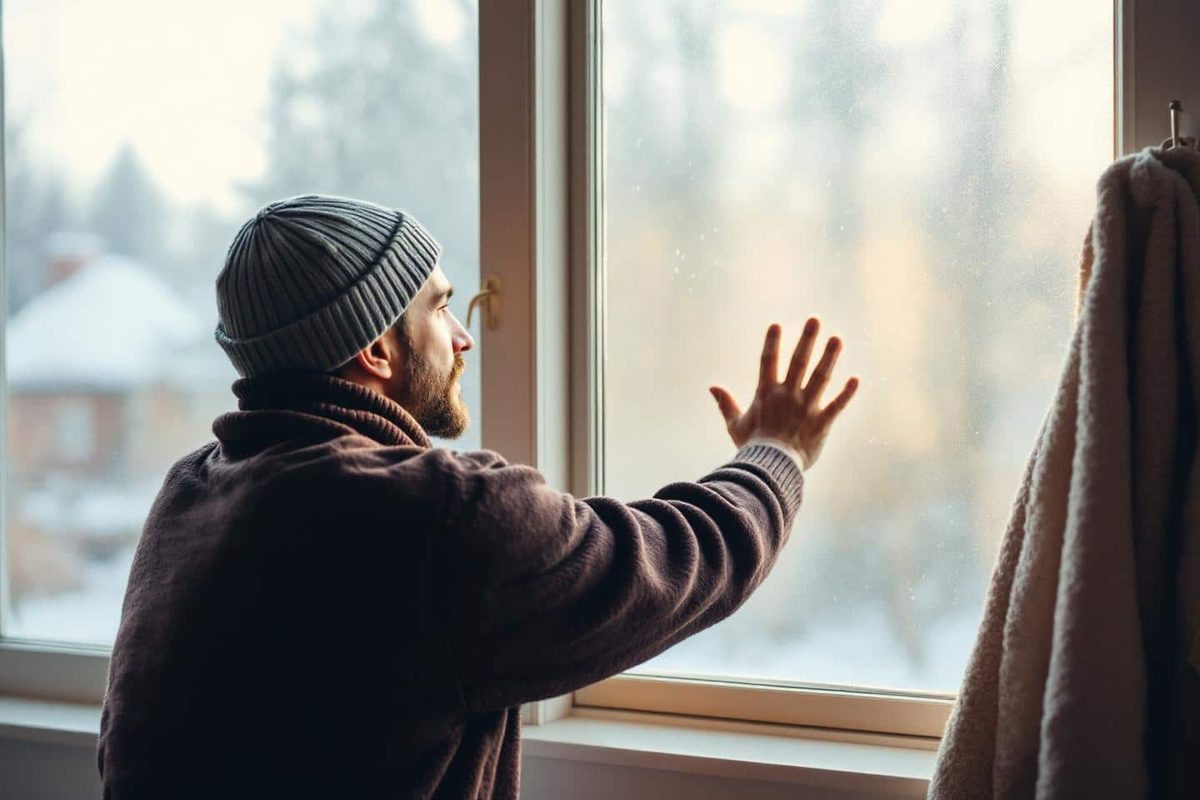
If you are not careful, a special humidity develops in the bathroom. It all started with a few drops of water on the mirror. Then the mist climbed up the wall. If this happens, the stubborn smell of wet clothes will not go away. When the temperature drops, room ventilation is put on the back burner. We seal the windows. Keeps the heat in.
But behind this neglected habit lies an unseen threat. Mold, bacteria and respiratory diseases can spread faster than you think. The solution to a healthy bathroom lies in just 10 minutes of fresh air.
Winter habits lead to poor air circulation
When the temperature drops in November, everyone closes the windows and vents to stay warm. It feels natural. It feels good. But this instinctive movement awakens a silent enemy: stagnant moisture.
It goes without saying that ventilation is essential in the summer. In winter, it has become common for everything to be closed. The result is a trap.
Reasons why moisture accumulates indoors during the cold season
In winter, frost forms outside and the air dries out. It brings trapped moisture. Thermal shock caused by a hot shower can cause condensation to form on glass, walls and silicone sealants. Modern insulation materials do their job well. It keeps the cold out. It also blocks the air escape routes.
The bathroom becomes a cozy cocoon. Unfortunately, it is an ideal habitat for microorganisms.
Hot baths and wet laundry: a microbial cocktail
Damp bath towels or towels that have not been dried properly will mix with the steam. Create the perfect environment for bacteria to grow. Humidity can rise above recommended levels in just a few hours. Colonies of bacteria and fungi start to grow. You might not even notice. A sour smell appears. Black spots appear. The air feels heavy. These are all signs of winter neglect.
How bacteria take over your bathroom
Chronic humidity opens the door. It invites a colony of microbes to set up shop under your own roof. How do these unwanted guests claim their territory?
Close the door, open the door for microbes
Closing the door after showering creates a moist playground for bacteria. If the air is not renewed, the vapors will slowly settle on every surface. The organic residue is waiting there. dead skin cells. hair. Soap scum. These are a feast for microorganisms. In a short time, the microbial ecosystem becomes established and begins to multiply.
Mold, allergens and forced coexistence
This is not just an aesthetic problem. Symptoms include the appearance of black dots in the bathtub grout. Mold releases tiny spores. These can irritate the respiratory tract. Bacteria thrive in a moist environment. Allergens persist on textiles stored in the room. result? Recurrent rhinitis. A throat that irritates upon waking. Severe respiratory infection.
Secret weapon: Ventilation as prevention
Is there a way to fight this invisible invader? It is achievable. It is simple. it works.
Why 10 minutes can change everything
Ventilating your bathroom for 10 minutes every time you shower does two things. It evacuates excess humidity quickly. It replaces stagnant air. This short time is enough to break the condensation cycle. The risk of mold growth, allergies and respiratory infections can be significantly reduced. It is never too short to be ineffective. It is not too long to drain all the heat. Ten minutes strikes the balance. Eliminate microorganisms without freezing your home.
Natural ventilation and mechanical ventilation
If you have windows or skylights, open them manually. Provides fast ventilation. Mechanical ventilation (VMC) plays an important role in apartments that do not have direct access from the outside. You must check it. Maintain it. Make sure it is working properly, especially in winter. In either case, it’s a good idea to leave the door open for a few minutes after use. It costs nothing. It changes the air quality radically.
Wet Laundry: Fungus’ favorite hiding place
Another factor that worsens the humidity in the bathroom is wet clothes. Drying clothes indoors is practical. In winter, it is risky. It has consequences for air quality.
Avoid common mistakes
Hanging towels or placing wet clothes on a radiator can significantly increase the humidity in the environment. This is especially true in poorly ventilated spaces. This practice provides ideal conditions for microbial growth. Allergies follow. Respiratory discomfort sets in.
Smart tips for winter laundry care
In winter, spread laundry with good ventilation. Use a tumble dryer whenever possible. If you like your towels warm, space out drying cycles. Avoid stacking multiple wet textiles. Squeeze tissues as much as possible before hanging it up. This reduces the amount of moisture released into the air. Simple. Effective.
In November, the atmosphere in my home changes completely. When the temperature drops, we close the windows and doors. This binds moisture. It also traps the byproducts of daily life. As a result, there are often invisible health risks lurking in bathrooms and bedrooms.
Learn about invisible threats
You may not notice the problem right away. Coughing and tossing and turning? Do your eyes get hot for no reason? Do you have a runny nose and feel like you have a cold forever? These are not just bad luck. Check the corners. Look at the grout lines. Black spots on the ceiling are a warning sign.
“Too humid environments full of mold spores can worsen allergies and increase the risk of respiratory infections.”
This is not a theoretical matter. This is physiological. When the air is stagnant and humid, mold can grow. And mold does not care if you are healthy. They multiply through moisture caused by breathing and washing.
Who is most at risk?
Not everyone reacts the same way. However, some bodies are more sensitive to irritants in the air.
Children are top of the list. Their lungs are still developing. Seniors follow closely, who often have a weakened immune system. the stakes are higher if someone in your family has asthma or allergies. For them, repeated exposure to mold spores is more than just a nuisance. It triggers dry coughs. It causes chronic rhinitis. It can lead to serious respiratory distress and requires medical attention.
The connection between indoor humidity and these symptoms is well documented. Reducing humidity is not just about aesthetics. It is about clinical health outcomes.
Winter routines: making ventilation effortless
The hardest thing is to break the habit. In summer, you should leave the windows open for a few minutes. Winter feels like a punishment. You close it immediately because the cold bites. However, holding onto stale, humid air is more harmful to the lungs than short periods of cold.
How do you make this sustainable? You do not need a complete home overhaul. You need to take small, consistent actions.
Think of your bathroom as a source of steam, not just water. Every time you take a shower, moisture gets into the air. If you leave the door closed, the moisture can’t get anywhere but the walls and lungs.
“Open the window fully immediately after showering and close it after getting dressed or drinking coffee.”
Use a timer. Set it for ten minutes. If you want to enjoy this ritual, use an hourglass. This short period of cross-ventilation removes the dense spore-laden air before it settles. A simple sticker on the door can serve as a reminder to your family. You can stop making excuses like “I forgot”.
Turning the bathroom into a healthy zone
You do not need to strip the house down to fix this. The goal is maintenance, not overhaul.
Avoid drying wet clothes in the bathroom. That is a massive source of humidity. If you need to dry your clothes indoors, choose a well-ventilated room with a dehumidifier. Clean the silicone seal regularly. Molds hide in dark, moist crevices. Wiping with a suitable washing agent can remove colonies before they spread.
Check your ventilation mechanics. Does the fan work? If it is broken or blocked, open the window. Even in the dead of winter, fresh air is better than circulating stagnant air.
The bottom line on winter ventilation
The logic is simple.
- Leave the windows open for 10 minutes after use.
- Do not leave wet towels or clothes to dry in a closed, damp space.
- Monitor the humidity level if possible.
during the cold months, it is easy to forget these habits. However, they constitute a primary defense against respiratory issues. They are cheap. No special equipment required. They just require you to open a window and walk away for 10 minutes.
Consider adding other low-cost measures. White vinegar is a powerful natural cleaner that effectively cleans mold-prone areas. Essential oils can help mask odors, but they alone will not eliminate mold spores. Clean the air first. Then smell it.
If you check the humidity gauge weekly you stay ahead of the problem. Most homes should aim for humidity levels between 30% and 50%. Anything higher promotes biological growth.
We tend to hunker down in winter. We want to stay warm. But a house needs to breathe, just like we do. Bathrooms are the worst offenders. Produces the most moisture. It is usually the smallest space with the least amount of natural air flow.
A few minutes of ventilation every day is more effective for respiratory health than commercial air fresheners. These sprays only mask the smell. It does not remove allergens. They never stop molding.
Opening a window is a small matter. It feels uncomfortable when it’s cold outside. But the air quality in your home is more important than the thermostat setting. You will notice the difference in your lungs. You may even find that you sleep better.
It’s no longer a question of whether you can afford to open the windows. The question is whether we can keep it closed.