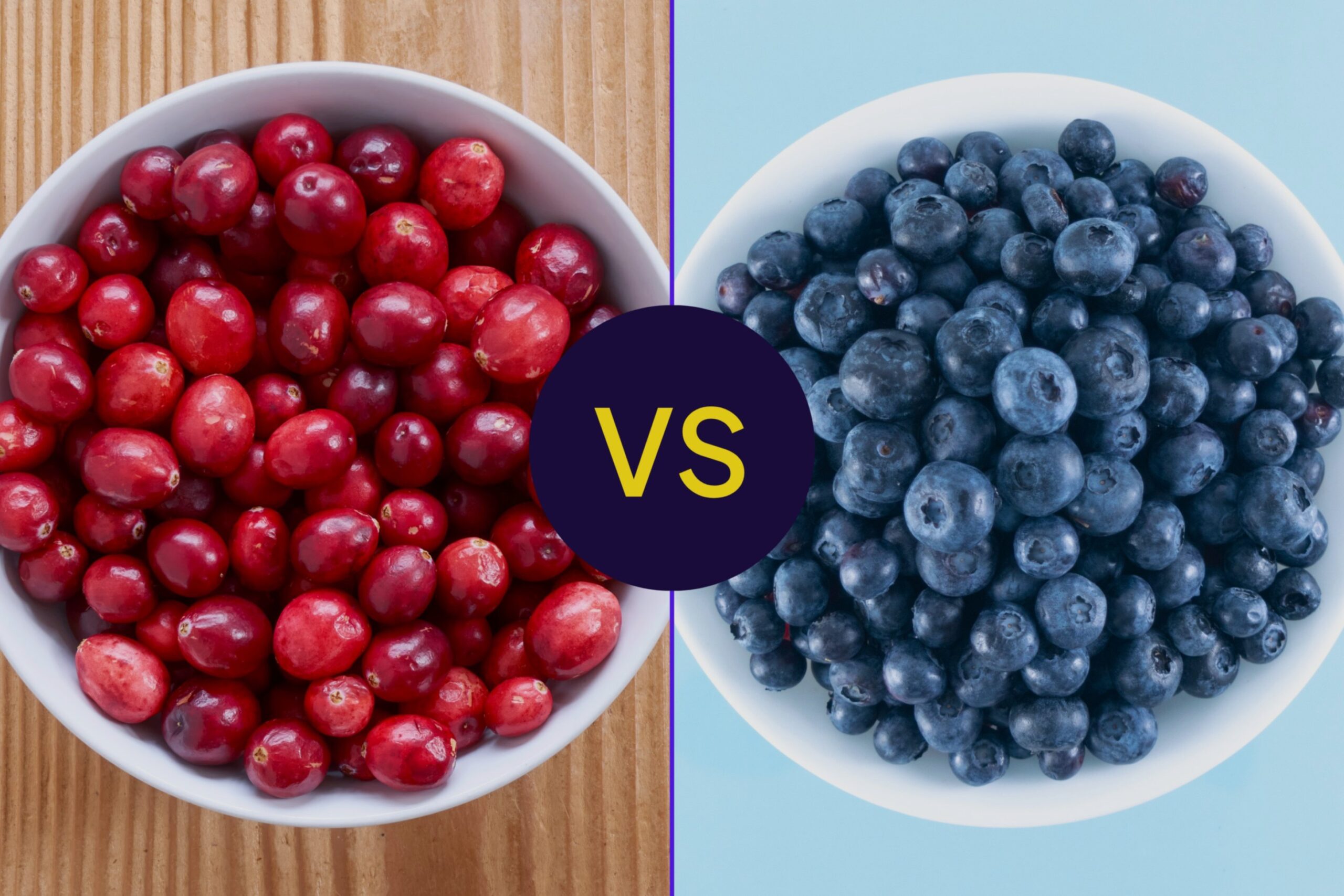
Cranberries and blueberries are both celebrated for their health benefits, but they offer distinct advantages. This article breaks down the nutritional profiles of each berry to help you decide which one best suits your needs. Both fruits are low-calorie, high in antioxidants, and can support long-term health. However, their strengths lie in different areas.
Nutritional Breakdown
Here’s a side-by-side comparison of key nutrients per one-cup serving:
| Nutrient | Cranberries | Blueberries |
|---|---|---|
| Calories | 46 | 84 |
| Carbohydrates | 12g | 21.5g |
| Fiber | 3.6g | 3.55g |
| Protein | 0.46g | 1.1g |
| Fat | 0.13g | 0.49g |
| Sugar | 4.27g | 14.7g |
| Vitamin C | 14mg | 14.4mg |
| Vitamin K | 5mcg | 28.6mcg |
| Potassium | 80mg | 114mg |
| Calcium | 8mg | 8.9mg |
These numbers highlight that blueberries are more calorie-dense and higher in sugar, while cranberries are more concentrated in certain nutrients relative to their caloric content.
Specific Health Benefits
Both berries contribute to overall wellness, but their standout advantages differ:
Urinary Tract Health
Cranberries are well-known for preventing urinary tract infections (UTIs). They contain proanthocyanidins (PACs) that stop bacteria from adhering to the urinary tract walls. This makes cranberry juice (unsweetened) and fresh cranberries a common dietary strategy for preventing recurrent UTIs. However, anyone suspecting a UTI should consult a healthcare provider.
Weight and Blood Sugar Control
Both berries are relatively low in calories and may aid in weight management. Studies suggest they can help regulate blood sugar spikes after meals, potentially benefiting people with diabetes or insulin resistance.
Bone and Cardiovascular Health
Blueberries excel in Vitamin K content—nearly 29 micrograms per cup. Vitamin K is crucial for bone strength, calcium regulation, and healthy blood clotting. Research also suggests blueberry consumption supports blood vessel function and better cardiovascular health. Cranberries may also contribute to heart health via their antioxidant properties, though they lack the high Vitamin K concentration of blueberries.
Cognitive Function
Multiple studies have linked blueberry consumption to improved brain health, especially in older adults. A 2022 study showed that wild blueberries boosted cognitive processing speed over six months. Cranberry supplements have also shown promise in enhancing episodic memory and neuron function.
Which Berry Is Right For You?
Both cranberries and blueberries are valuable additions to a balanced diet. The best choice depends on individual needs:
- Choose blueberries if: You prefer a sweeter, ready-to-eat snack and want to maximize your Vitamin K intake.
- Choose cranberries if: You prioritize urinary tract health or seek a low-calorie antioxidant boost with minimal sugar.
Ultimately, incorporating both berries into your diet provides the broadest range of benefits. Enjoy them regularly to reap the unique advantages of each fruit.