


Many staple foods, from cereals to spices and wine, are commonly contaminated with fungal toxins known as mycotoxins. While the issue is widespread – potentially affecting 60% to 80% of global crops, a figure far higher than previously cited estimates – the degree of risk varies significantly between food types. This contamination poses a hidden, yet substantial, health risk.
Oats and Cereal Processing
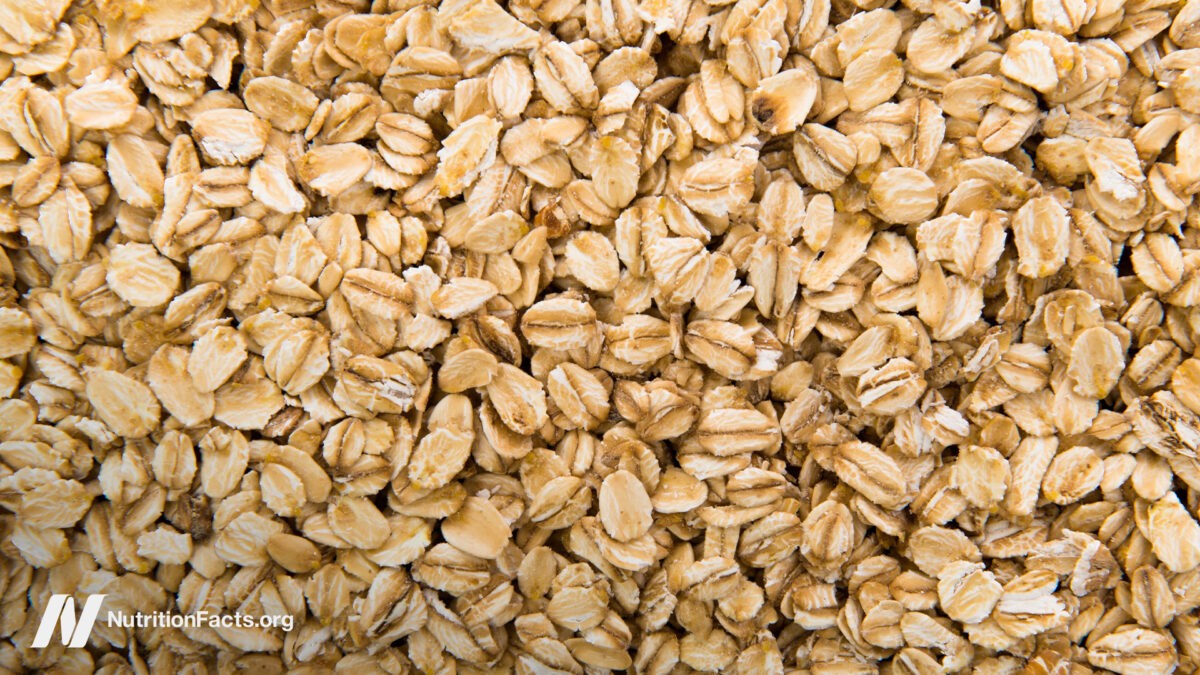
Oats, often marketed as a highly nutritious food, can harbor elevated levels of ochratoxin, a potent mold contaminant. The processing method dramatically impacts its bioavailability. While intact oat groats are the least processed form, most consumers eat rolled or ground oats in cereals like Honey Nut Cheerios.
Processing degrades the grain structure, accelerating digestion and potentially reducing prebiotic benefits. This is concerning because intact starch feeds gut bacteria, while rapid digestion leads to blood sugar spikes. Oats remain the primary dietary source of ochratoxin for many people.
Spices, Herbs, and Wine: Hidden Contamination
Spices, despite being consumed in small quantities, can contain high concentrations of mycotoxins. Proper storage – keeping them dry – is crucial. Dried herbs, such as milk thistle, are particularly prone to contamination due to humid harvest conditions. This is especially worrying for individuals with liver disease, as milk thistle supplements are often used by this population.
Wine, particularly from the United States, exhibits some of the highest mycotoxin levels globally. Regular wine consumption may contribute to consistent exposure in many people.
Detoxification Approaches and Limitations
Research suggests that yeast can bind to mycotoxins, potentially reducing their absorption. Studies in chickens have demonstrated this effect with aflatoxin, another dangerous mycotoxin. Nutritional yeast shows promise in binding ochratoxin, but the stability of the yeast-toxin complex in the human gut is uncertain.
Current evidence suggests that even with nutritional yeast supplementation, a single glass of wine can exceed tolerable daily intake limits. The actual health impact of exceeding these limits remains a key question.
The Bigger Picture
The issue of mycotoxin contamination is not simply a food safety concern; it is a direct result of agricultural practices, climate change, and the trade-offs between processing efficiency and nutritional integrity.
Without significant changes in production, storage, and consumer awareness, widespread exposure to these toxins will continue. This raises critical questions about long-term health effects and the need for more effective mitigation strategies.


