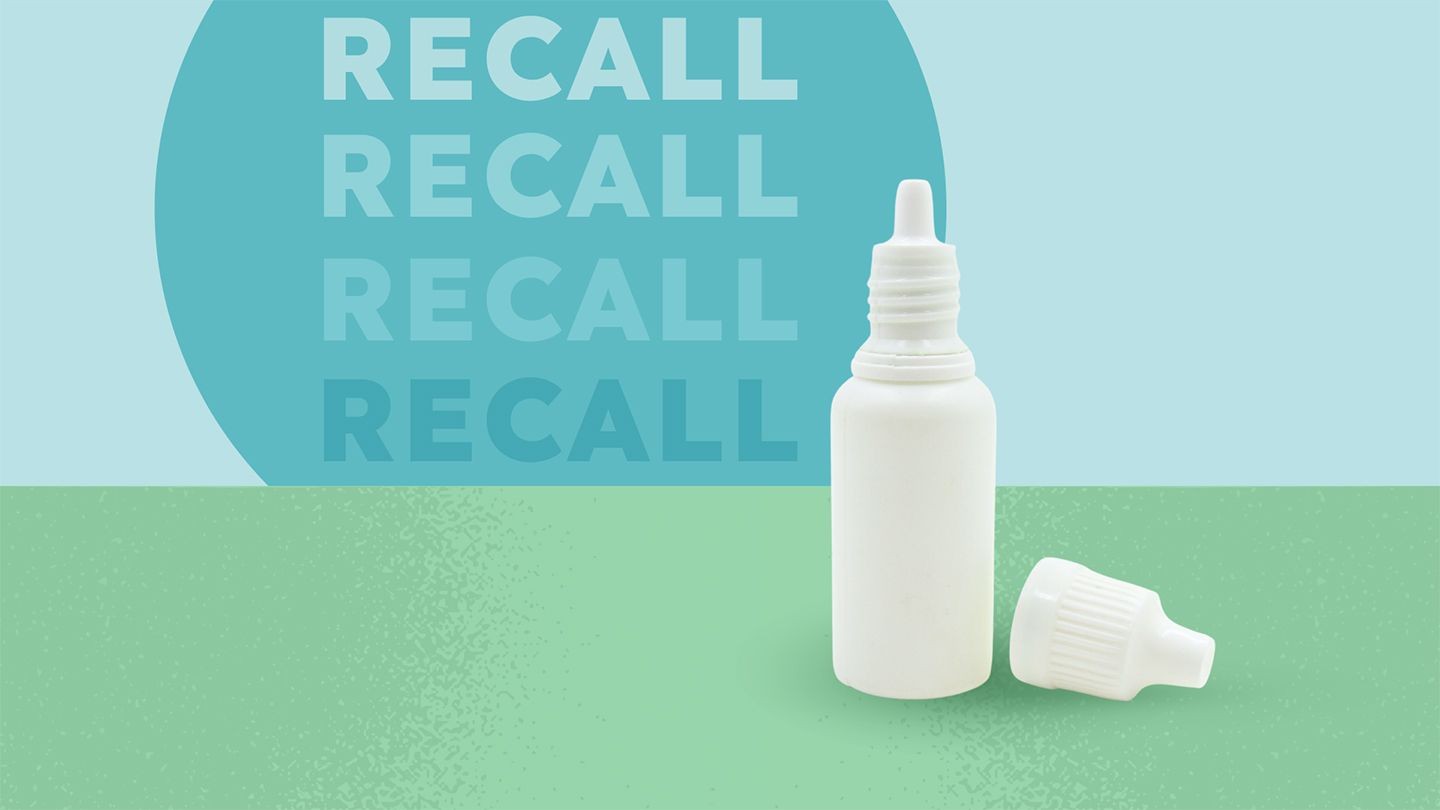
Millions of bottles of over-the-counter eye drops sold at major retailers like CVS, Walgreens, and Walmart are being recalled nationwide due to concerns they may not be sterile. The U.S. Food and Drug Administration (FDA) announced the recall, which affects a wide range of generic and store-brand products.
Why This Matters
Non-sterile eye drops can lead to eye infections, which can range from mild discomfort to severe, vision-threatening complications. While no injuries have been reported yet, the FDA classifies this as a Class II recall—meaning the risk of serious harm is low, but temporary or reversible health issues are possible.
The scope of the recall is substantial, involving over 3 million bottles. This highlights the challenges in ensuring quality control for mass-produced over-the-counter medications.
Which Products Are Affected?
The recall includes multiple brands and formulations. Here’s a breakdown of products subject to the recall:
- Sterile Eye Drops AC: (tetrahydrozoline HCl, zinc sulfate) sold under brands like Best Choice, Quality Choice, Walgreens, and others.
- Eye Drops Advanced Relief: (dextran 70, polyethylene glycol, tetrahydrozoline HCl) found at Walgreens, Kroger, CVS, and more.
- Dry Eye Relief Eye Drops: (glycerin, hypromellose, polyethylene glycol) sold under Geri Care, TopCare, Rite Aid, and other brands.
- Ultra Lubricating Eye Drops: (polyethylene 400, propylene glycol) available at Leader, Harris Teeter, Walgreens, Publix, and more.
- Sterile Eye Drops (tetrahydrozoline HCl): Good Sense, Walgreens, Kroger, Harris Teeter, and others.
- Sterile Eye Drops Redness Lubricant: (glycerin, naphazoline HCl) Cintas, Good Neighbor, Walgreens, and Rite Aid.
- Sterile Eye Drops Soothing Tears: (polyethylene glycol, propylene glycol) Rugby, Walgreens, and others.
- Artificial Tears Sterile Lubricant Eye Drops: (polyvinyl alcohol, povidone) Leader, Good Sense, Kroger, and others.
The recall also includes products sold at military exchanges. Customers should check the labels carefully for the specific brands and formulations listed above.
What to Do If You Have Recalled Eye Drops
The FDA advises consumers not to use the recalled eye drops. You can return them to the store where they were purchased for a full refund.
The manufacturer, K.C. Pharmaceuticals, initiated the recall. The FDA’s recall database provides further details and updates on this issue.
Ongoing Concerns
This recall underscores the need for rigorous quality control in pharmaceutical manufacturing, especially for widely-distributed over-the-counter products. The FDA’s continued monitoring and enforcement of safety standards are critical to preventing similar incidents in the future.
The potential for infection, even if low, should not be taken lightly. Consumers should prioritize their health by following recall instructions and seeking medical attention if they experience any adverse effects after using the affected eye drops.