Many people reach for a multivitamin to fill nutritional gaps, but whole foods often provide a superior solution. Not only do they pack essential vitamins and minerals, but they also include fats, proteins, and other compounds that enhance absorption and overall health. Here’s how to boost your nutrient intake naturally, with seven foods that outperform the average multivitamin.
The Problem With Pills
Multivitamins can supplement a poor diet, but they don’t replicate the synergy found in real foods. Nutrients in whole foods work together, maximizing benefits in ways isolated pills simply can’t. Plus, many multivitamins lack key compounds like choline or underdeliver on essential minerals like potassium.
Food First: The Nutrient Powerhouses
- Salmon: The Omega-3 and Vitamin D Champion
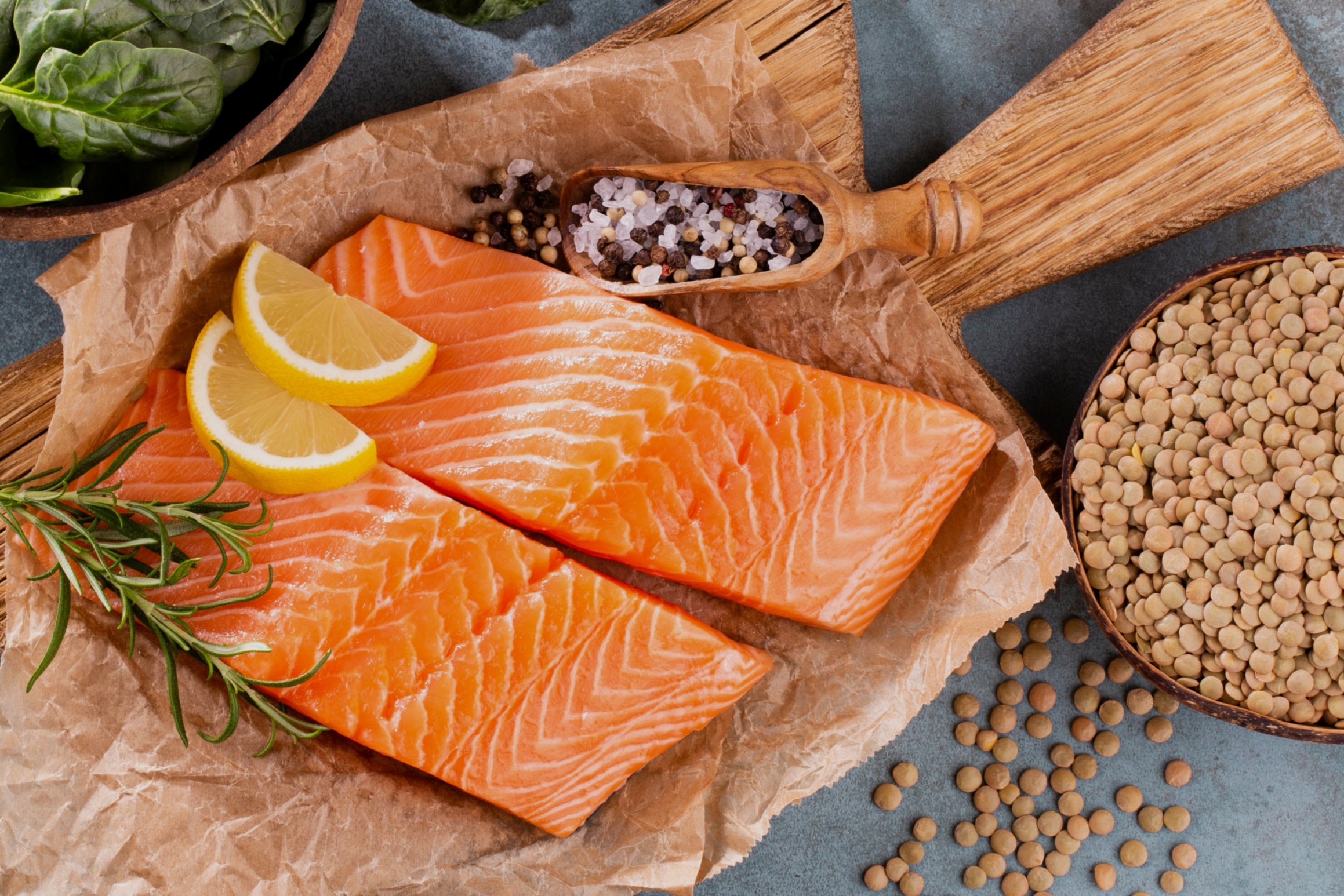
A 3-ounce serving of farmed Atlantic salmon delivers a potent dose: 375 IU of vitamin D (47% DV), 0.733g of EPA omega-3s, and 0.935g of DHA omega-3s. Salmon’s fat content enhances vitamin D absorption, a critical factor often overlooked in supplements. Omega-3s further support heart, brain, and metabolic health – benefits you won’t find on a label.
- Eggs: Choline, Protein, and Fat-Soluble Vitamins
One large egg provides 169mg of choline (31% DV), alongside vitamins A, D, and B12. Eggs stand out because they contain choline, often missing from multivitamins, and the yolk’s fat aids absorption of vitamins A and D. Eggs deliver complete protein, which supports muscle maintenance and fullness – something a pill can’t offer.
- Sardines: Calcium, Selenium, and Bone-Boosting Nutrients
A drained can of sardines is packed with 351mg of calcium (27% DV), 48.5mcg of selenium (88% DV), and a surprising dose of vitamin D. Eating sardines with the bones provides a unique calcium, vitamin D, magnesium, and phosphorus combination that supports bone health in a way few supplements can match.
- Sweet Potatoes: Beta-Carotene and Potassium Power
One large baked sweet potato offers 20,700mcg of beta-carotene (converted to vitamin A as needed), 855mg of potassium (18% DV), and 5.94g of fiber. Unlike many multivitamins, sweet potatoes deliver significant potassium for blood pressure regulation. Fiber supports digestion and blood sugar control, adding another layer of health benefit.
- Lentils: Iron, Folate, and Plant-Based Protein
One cup of cooked lentils contains 6.6mg of iron (37% DV) and 358mcg of folate (89% DV). While lentils’ iron isn’t easily absorbed, pairing them with vitamin C-rich foods like tomatoes or citrus dramatically improves uptake. Lentils also provide protein and fiber, which multivitamins lack, aiding fullness and blood sugar control.
- Yogurt: Calcium, B12, and Gut-Friendly Probiotics
One cup of plain, low-fat yogurt delivers 448mg of calcium (34% DV), 13g of protein, and 1.37mcg of vitamin B12 (57% DV). Yogurt is a good source of vitamin B12, especially for those with limited meat intake. Crucially, yogurt contains probiotics that support digestive health and immunity – something no pill can replicate.
- Swiss Chard: Magnesium, Vitamins A & K, and Antioxidants
One cup of boiled Swiss chard provides 150mg of magnesium (36% DV), 536mcg of vitamin A (60% DV), and a staggering 572mcg of vitamin K (477% DV). Unlike multivitamins, Swiss chard delivers these nutrients alongside fiber and plant compounds that act as antioxidants and reduce inflammation.
Do You Even Need a Multivitamin?
About one in three adults takes a multivitamin, but whether you need one depends on your diet, lifestyle, and overall health. Always consult a healthcare professional before starting any new supplement regimen. If your diet is already rich in these whole foods, you may not need a pill at all.
The bottom line: prioritize nutrient-dense foods over synthetic supplements. Your body will thank you.