Maintaining strong bones isn’t just about calcium; it’s about a balanced intake of key nutrients and lifestyle choices. While dairy has traditionally been promoted as the go-to for bone health, many effective non-dairy options can support skeletal strength and prevent age-related decline. This guide highlights six of the best, along with insights into why these matter beyond simply ticking off calcium requirements.
Leafy Greens: The Vitamin K Advantage
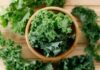
Kale, collard greens, and bok choy aren’t just salad staples; they’re reliable sources of calcium and, crucially, vitamin K. Vitamin K is vital for bone formation, helping minerals bind effectively to the skeletal structure. Regularly incorporating these greens – sautéed, blended, or raw – can significantly contribute to bone density.
Tofu: A Calcium-Rich Alternative
Tofu (made with calcium sulfate) can deliver as much calcium per serving as a glass of milk. Beyond calcium, it also provides magnesium, essential for bone formation and calcium regulation. Its versatility makes it an easy addition to stir-fries, baked dishes, or even smoothies.
Sardines: The Underrated Bone Booster
Sardines (with bones) are one of the most nutrient-dense seafood options for bone health. Eating the soft, edible bones provides highly absorbable calcium, while the fish’s vitamin D content boosts calcium absorption. Omega-3 fatty acids also reduce inflammation, indirectly supporting bone health.
Tahini: Sesame Seed Power
Tahini (ground sesame seeds) is surprisingly rich in calcium and magnesium. Magnesium plays a critical role in bone formation and calcium balance. Drizzle it over roasted vegetables, add it to dressings, or blend it into sauces for a nutty flavor and a nutritional boost.
Eggs: A Simple Vitamin D Source
Eggs are an accessible way to add bone-supporting nutrients to your diet. The yolk contains vitamin D (one of the few food sources), while the whole egg provides high-quality protein. While eggs won’t meet all vitamin D needs, they contribute to overall intake when combined with other sources.
White Beans: Potassium for Bone Balance
White beans (cannellini, navy beans) offer a well-rounded mix of nutrients. In addition to calcium and magnesium, they provide potassium, which may reduce calcium loss by maintaining a balanced acid-base environment in the body. Their fiber and protein content also make them a satisfying meal addition.
Supplements: Filling the Gaps
Even with a well-planned diet, meeting bone-supporting nutrient needs can be challenging. Vitamin D, found in limited foods, is a common deficiency. Supplementation, particularly in winter or for indoor lifestyles, can improve calcium absorption and bone mineralization. A high-quality multivitamin can also fill smaller nutritional gaps, providing magnesium and vitamin K.
Conclusion:
Strong bones don’t require dairy. A strategic mix of protein-rich foods, vitamin D sources, calcium, and magnesium can effectively support skeletal health. Prioritizing nutrient density in your diet and considering supplementation when needed are key. Remember, strength training also plays a vital role in stimulating new bone tissue growth, making it an essential component of a holistic approach to bone health.