While oranges are often synonymous with vitamin C, many fruits and vegetables offer even higher concentrations of this essential nutrient. Vitamin C is crucial for immune function, collagen production, and antioxidant protection, making it a cornerstone of good health. A medium orange provides 82.7mg, roughly 91% of the daily recommended value. However, several alternatives significantly exceed this amount.
Red Bell Peppers: The Vitamin C Champion
One cup of chopped red bell peppers (150g) delivers a staggering 213mg of vitamin C – 237% of the daily requirement. Beyond boosting immunity, these peppers contain carotenoids like capsanthin and beta-carotene, which support eye health and protect cells from damage. They also provide B6 and folate, vital for nerve function and energy production.
Versatile and flavorful, red bell peppers can be enjoyed raw in salads, roasted for a sweet side dish, or stuffed for a hearty meal.
Guava: A Tropical Powerhouse
A single guava (55g) contains 125mg of vitamin C – 140% of the daily value. This fruit isn’t just about vitamin C; it also contains resistant starches that act as prebiotics, promoting gut health by feeding beneficial bacteria. These starches may improve stool consistency and overall digestive function.
Guava can be eaten whole – skin, flesh, and seeds – or incorporated into yogurts, smoothies, or juices.
Brussels Sprouts: The Underestimated Hero
One cup (85g) of Brussels sprouts provides 122mg of vitamin C – 74% of the daily value. These cruciferous vegetables are rich in glucosinolates, which may offer anti-cancer benefits and reduce inflammation.
Enjoy them roasted, steamed, sautéed, or shaved raw into slaws.
Kiwis: Small Fruit, Big Impact
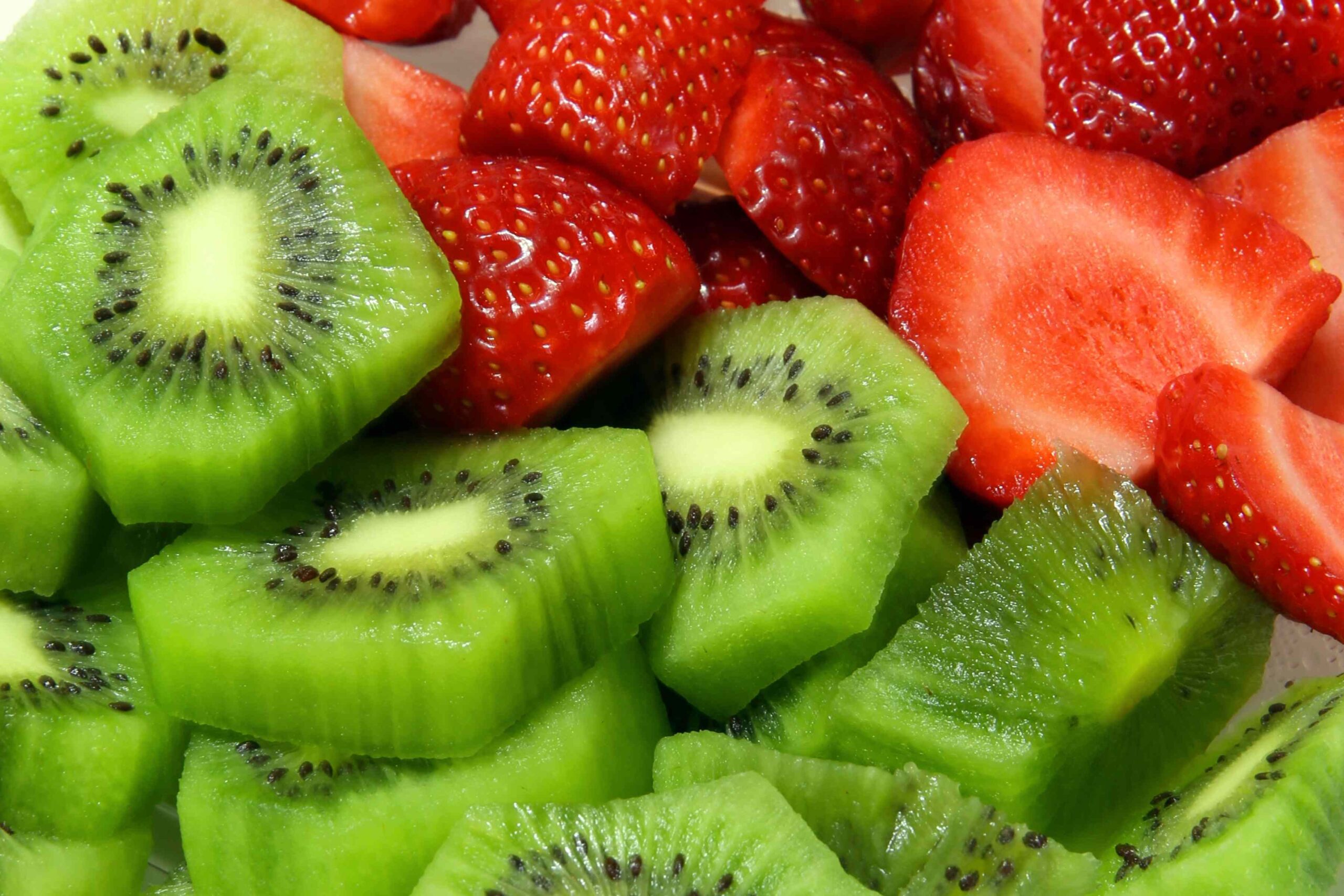
Two peeled kiwis (120g) pack 118mg of vitamin C – 131% of the daily value. Studies suggest that daily kiwi consumption can improve mood, reduce fatigue, and enhance overall well-being. Their fiber and enzymes also aid digestion.
Kiwis are delicious fresh, in smoothies, or with yogurt.
Papaya: A Tropical Vitamin Boost
A medium papaya (157g) contains 95.6mg of vitamin C – 100% of the daily value. Rich in vitamins C, E, and B, along with minerals like magnesium and potassium, papaya supports immune function, protects cells, and maintains nerve health. Its pulp, seeds, and leaves contain antioxidants that may support heart health.
Enjoy papaya fresh, in smoothies, or as a salsa.
Strawberries: Sweet and Nutrient-Rich
One cup (140g) of strawberries delivers 83.4mg of vitamin C – 92% of the daily value. Research suggests regular strawberry intake may improve lipid profiles and reduce inflammation, lowering cardiovascular disease risk.
Strawberries are best fresh, sliced over yogurt, blended into smoothies, or mashed into jams.
Integrating Vitamin C Into Your Diet
Boosting your vitamin C intake is easy: add strawberries or kiwi to breakfast, toss bell peppers into salads at lunch, snack on guava or pepper slices with hummus, or enjoy roasted Brussels sprouts with dinner. Diversifying your fruit and vegetable intake ensures you receive not only optimal vitamin C levels but also a wider range of essential nutrients.
By consciously including these foods, you can maximize your vitamin C intake and unlock a host of health benefits.