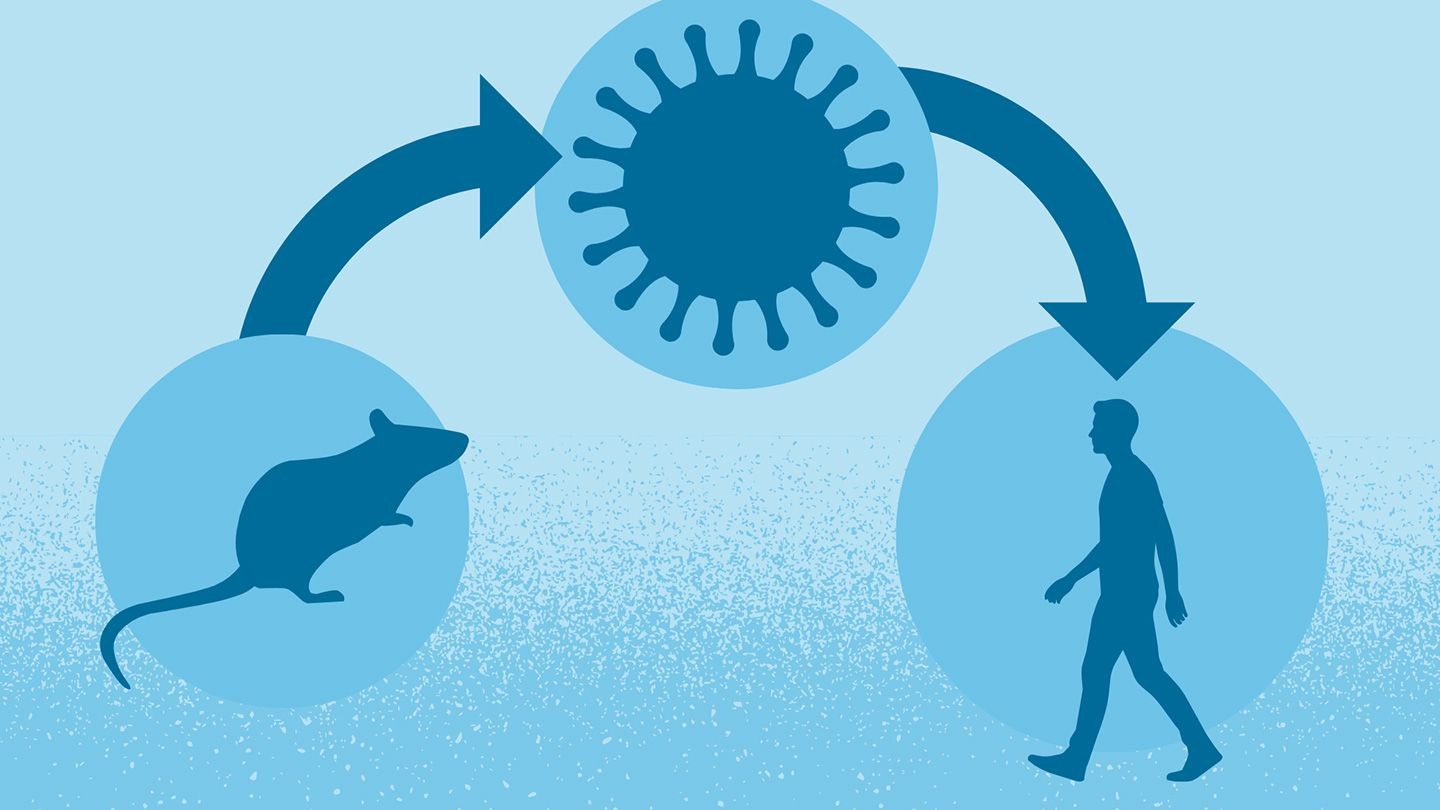
Hantavirus, a serious illness carried by rodents, has captured global attention following an unprecedented outbreak on a cruise ship in the Atlantic Ocean. While typically associated with rural environments and rodent infestations in homes, this recent cluster of cases—including three deaths—marks the first recorded instance of hantavirus spreading in such a setting.
Although human infections remain rare, the consequences can be severe. Without a specific vaccine or antiviral treatment, survival depends heavily on early diagnosis and intensive supportive care. Understanding how this virus spreads, its distinct symptoms, and how to prevent exposure is critical for public health, especially as unusual transmission events raise new questions about viral behavior in confined spaces.
A Unusual Outbreak at Sea
The World Health Organization (WHO) announced on May 4, 2026, that three passengers died and at least three others were hospitalized with suspected hantavirus infection aboard a cruise ship traveling off the coast of Africa. This event is highly anomalous. Hantavirus is traditionally a terrestrial disease, spread when humans inhale airborne particles from rodent urine, droppings, or saliva in environments like barns, sheds, or infested homes.
“This hantavirus outbreak on a cruise ship is the first reported event of its kind, so it’s worth paying attention to and watching for any similar cases,” says Dr. Robert H. Hopkins, medical director of the National Foundation for Infectious Diseases. “A single outbreak like this, however, doesn’t necessarily mean more outbreaks are likely.”
Dr. Peter Chin-Hong, an infectious disease specialist at UCSF, notes that the ship’s route began in South America, where the Andes strain of hantavirus is prevalent. Unlike most hantavirus strains, the Andes virus has a known capacity for human-to-human transmission, particularly in enclosed, poorly ventilated spaces. Dr. Chin-Hong suggests this may have played a role in the outbreak, although the exact cause—whether rodent infestation on the vessel or person-to-person spread—remains under investigation.
This incident contrasts with more typical cases, such as the 2025 death of Betsy Arakawa, wife of actor Gene Hackman, who contracted the virus after exposure to rodent infestations at their New Mexico home.
Understanding the Symptoms: Two Distinct Syndromes
Hantavirus infections manifest differently depending on the viral species and geographic region. There are at least 24 known species that cause disease in humans, generally falling into two categories:
1. Hantavirus Pulmonary Syndrome (HPS)
- Primary Region: Western Hemisphere (Americas).
- Target Organs: Lungs.
- Severity: Generally deadlier than HFRS.
- Incubation Period: 1 to 8 weeks after exposure.
Early Symptoms (Weeks 1–2):
* Fatigue and fever.
* Severe muscle aches, particularly in large muscle groups (thighs, hips, back, shoulders).
* Headaches, dizziness, and chills.
* Gastrointestinal issues: nausea, vomiting, diarrhea, and abdominal pain.
Late-Stage Symptoms (Days 4–10 after onset):
* Coughing and shortness of breath.
* Chest tightness as fluid accumulates in the lungs.
2. Hemorrhagic Fever with Renal Syndrome (HFRS)
- Primary Region: Europe and Asia.
- Target Organs: Kidneys.
- Incubation Period: 1 to 2 weeks (rarely up to 8 weeks).
Early Symptoms:
* Sudden onset of intense headaches, back pain, and abdominal pain.
* Fever or chills.
* Nausea and blurred vision.
* Facial flushing, eye redness/inflammation, or rash.
Late-Stage Symptoms:
* Low blood pressure and acute shock.
* Internal bleeding due to vascular leakage.
* Acute kidney failure leading to severe fluid overload.
Transmission and Risk Factors
The primary mode of transmission is inhalation of aerosolized virus particles from rodent excreta. This risk is heightened in dry climates, such as the Western and Southwestern United States, where low humidity allows virus particles to remain airborne longer. Recent cases in Nevada (April 2026) underscore the link between drought conditions and hantavirus activity.
High-Risk Environments:
* Infrequently used structures: storage sheds, farm buildings, seasonal cabins.
* Enclosed spaces with rodent activity: attics, basements, construction sites.
* Campsites and hiking shelters.
While human-to-human transmission is extremely rare globally, the Andes strain in South America presents a unique exception, likely exacerbated by the close quarters and ventilation systems of cruise ships.
Diagnosis Challenges and Treatment Options
Diagnosing hantavirus is difficult because early symptoms mimic common illnesses like the flu. Clinicians must be vigilant, especially if patients present with respiratory distress or kidney issues without a clear cause.
Diagnostic Methods:
* Physical Exam: Checking for abnormal lung sounds, low blood oxygen, low blood pressure, and signs of kidney failure.
* Antibody Testing: Detects the immune system’s response to the virus (may take time to develop).
* PCR Testing: Detects viral genetic material; faster and more sensitive but less widely available.
* Imaging/Urinalysis: Chest X-rays or CT scans and urine tests to assess organ function.
Treatment and Prognosis:
There is no specific antiviral drug or vaccine for hantavirus. Treatment focuses on supportive care, which can be life-saving if initiated early.
* Intensive Care: Many patients require ICU-level support, including supplemental oxygen and dialysis for kidney failure.
* Survival Rates: More than one-third of infections are fatal. Early hospitalization significantly improves outcomes, as the disease can progress rapidly to heart, lung, or kidney failure.
“ICU treatment is key to survival for many patients, which might also explain the high fatality rate as many people in rural areas may not get to the ICU in time,” says Dr. Chin-Hong.
Prevention Strategies
Prevention centers on avoiding contact with rodent habitats and properly decontaminating areas where rodents may have lived.
Safe Cleaning Protocol for Unused Buildings:
1. Ventilate: Open all doors and windows and leave the building for at least 30 minutes before entering.
2. Disinfect: Spray surfaces, carpets, and nesting areas with a disinfectant or a 10% chlorine bleach solution.
3. Wait: Allow the disinfectant to sit for 30 minutes to kill the virus.
4. Clean: Wear rubber gloves and a mask. Discard contaminated materials in sealed plastic bags. Vacuum only after thorough disinfection.
5. Seal: Close holes and gaps in structures to prevent future infestations.
6. Professional Help: For heavy infestations, engage professional pest control services.
Conclusion
Hantavirus remains a rare but potent threat, primarily transmitted through rodent exposure in rural or neglected structures. The recent cruise ship outbreak highlights the potential for unusual transmission dynamics, particularly with strains capable of human-to-human spread. While the fatality rate is significant, early recognition of symptoms—especially respiratory or renal distress—and prompt intensive care offer the best chance for recovery. Vigilance in preventing rodent infestations and practicing safe cleaning protocols remain the most effective defenses against this virus.