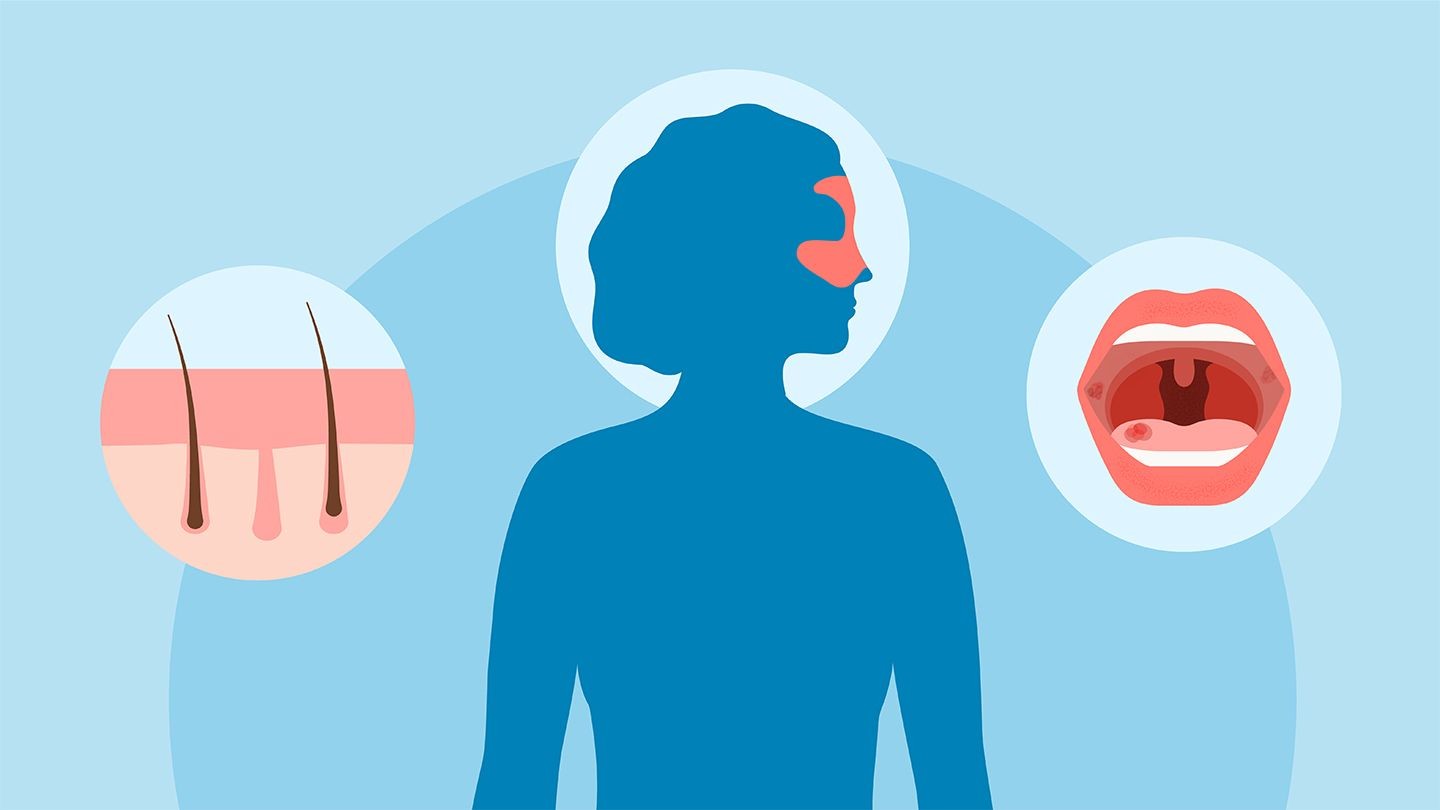
Lupus is an autoimmune disease where the body’s immune system mistakenly attacks healthy tissues, leading to inflammation. This condition often manifests in skin changes, making early identification crucial for effective management. Approximately 90% of lupus patients develop skin symptoms, which can serve as an indicator of systemic disease activity. Understanding these signs is the first step toward better health outcomes.
How Lupus Affects the Skin
The root cause of lupus-related rashes lies in the immune response triggered by factors like sunlight exposure. UV radiation damages skin cells, releasing antigens that the immune system targets, causing inflammation. This process can lead to various visible symptoms, each with its own characteristics.
Common Skin Manifestations
Several distinct rashes and skin changes are associated with lupus. These include:
Butterfly Rash (Malar Rash): This classic symptom appears as a red, raised rash across the cheeks and bridge of the nose, resembling a butterfly’s wings. While often linked to systemic lupus, other conditions can mimic this rash, requiring a biopsy for accurate diagnosis. The rash worsens with sun exposure, making strict sun protection essential.
Discoid Lupus: Characterized by thick, scaly, circular patches, this chronic form of cutaneous lupus can appear on the face, scalp, ears, and hands. In people with lighter skin tones, these patches appear pink, while darker skin tones may show darker patches. Discoid lupus can lead to scarring and permanent hair loss if left untreated.
Subacute Cutaneous Lupus: This type manifests in two forms: papulosquamous lesions (red, scaly areas on the shoulders, back, and chest) and annular lesions (ring-shaped rashes that resemble fungal infections). It’s highly sensitive to sunlight but rarely causes permanent scarring.
Nail Changes: Lupus can cause vascular changes around the nails, appearing as tiny red or pink lines. Periungual rashes (redness around the nails) are also common.
Hair Loss: Systemic lupus can cause diffuse hair thinning, often without redness or scaling. In discoid lupus, scarring lesions may lead to irreversible hair loss.
Beyond Rashes: Other Lupus Symptoms
Skin symptoms often accompany systemic lupus manifestations, including fatigue, joint pain, swelling, and swollen glands. The skin can serve as a window into the overall disease activity ; outward changes may reflect internal inflammation. Other symptoms include Raynaud’s syndrome (fingers turning white or blue in the cold) and mouth sores (non-blistering ulcers on the cheeks, tongue, and gums).
Managing Lupus Skin Symptoms
Effective management involves a combination of lifestyle adjustments and medical treatment. The first line of defense is sun protection : avoid direct sunlight between 10 a.m. and 4 p.m., use broad-spectrum SPF 50+ sunscreen, reapply every two hours, and wear protective clothing.
Medical treatments include:
- Hydroxychloroquine: A first-line drug for systemic lupus, unless contraindicated.
- Glucocorticoids (Corticosteroids): For short-term inflammation control.
- Immunosuppressive Therapies: Early initiation may lead to remission or low disease activity, reducing flares and organ damage.
The Bigger Picture
Lupus is a complex autoimmune condition with diverse presentations. Recognizing skin symptoms is essential for early diagnosis and management, but it’s just one piece of the puzzle. Patients must work closely with healthcare providers to develop personalized treatment plans that address both systemic and cutaneous manifestations. Proactive management, including lifestyle modifications and medical intervention, can significantly improve quality of life.