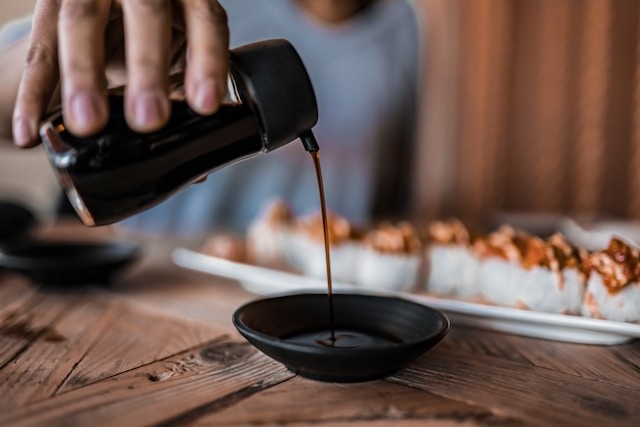
Soy sauce is a foundational ingredient in countless professional kitchens, yet often overlooked. While it seems simple, the quality of bulk soy sauce significantly impacts consistency, flavor balance, and ultimately, the final product. Selecting the right product isn’t just about taste; it’s about ensuring reliable performance at scale. This guide explains how to evaluate soy sauce for professional use, ensuring it enhances rather than undermines your kitchen’s standards.
Why Quality Matters: Consistency in Flavor and Performance
In a professional setting, even subtle inconsistencies in ingredients become magnified when used in large quantities. A soy sauce that is too strong will dominate dishes, while a weak one will leave them flat. Reliable flavor is critical because it avoids constant adjustments to recipes and maintains a consistent customer experience. High-quality soy sauce contributes umami, rounding out flavors without overpowering them, acting as a dependable foundation rather than an unpredictable variable.
The Brewing Process: Natural Fermentation vs. Chemical Production
The method of production is the single clearest indicator of quality. Traditionally brewed soy sauce relies on months of fermentation, allowing proteins to break down and develop complex flavors. Chemically produced alternatives prioritize speed, often resulting in a less appealing, less nuanced product. Choosing naturally brewed soy sauce ensures depth, consistency, and versatility—crucial for high-volume operations.
Ingredient Transparency: Simplicity Reflects Quality
A high-quality soy sauce should have a short, simple ingredient list: soybeans, wheat, water, salt, and a fermenting agent. The more ingredients added—artificial flavors, preservatives, or excessive additives—the more likely the manufacturer is compensating for inconsistencies. Simplicity suggests reliance on time-tested fermentation rather than shortcuts.
Practical Evaluation: Tasting and Application
Tasting soy sauce alone provides only a partial impression. True evaluation requires testing in real-world kitchen conditions: heating, reducing, and combining it with other ingredients. A well-balanced soy sauce delivers controlled saltiness followed by umami, with a clean finish. Harsh or metallic aftertastes indicate lower quality. Consistency is paramount; variations in flavor can disrupt quality control and customer satisfaction.
Aroma, Appearance, and Handling: Subtle Clues to Quality
Visual and aromatic cues offer valuable insights. High-quality soy sauce should have a rich reddish-brown color from proper fermentation. Overly dark or opaque liquids may indicate added coloring. The aroma should be warm, slightly complex, with hints of sweetness. Sharp or chemical smells suggest compromised production methods.
For bulk use, packaging and storage matter. Containers should minimize air and light exposure to prevent oxidation. Durable packaging and controlled pouring systems reduce waste and contamination risks.
The Role of Tradition and Craftsmanship
SAN-J’s approach exemplifies quality through fermentation-focused production. The company prioritizes tradition, allowing flavors to develop naturally over time. This results in a consistent, balanced soy sauce suitable for professional kitchens. They also offer certified gluten-free options without sacrificing complexity or performance.
The Bottom Line: Consistency Drives Reputation
At its best, high-quality soy sauce is almost imperceptible—it strengthens flavors without drawing attention. Taking the time to evaluate bulk soy sauce properly protects consistency, builds trust, and ultimately contributes to your kitchen’s reputation. A reliable soy sauce isn’t just an ingredient; it’s a foundation for excellence.