We always talk about eating better like it’s a battle of character. Willpower. Motivation. The sheer force of deciding to “do better.”
Boring. And mostly wrong.
New research points to something physical. Concrete. Something you can actually do.
It turns out that people with solid culinary skills—reading labels, hacking recipes, planning meals ahead of time—eat significantly fewer ultra-processed foods (UPF). It doesn’t matter how much money they have. It doesn’t matter if they have a chronic condition or are perfectly healthy.
Kitchen know-how separates the eaters. Willpower doesn’t.
What they actually studied
We knew cooking skills mattered for general health, but this study looked specifically at people managing serious health conditions. Type 1 diabetes.
The sample? 592 adults in Spain.
Half had type 1 diabetes. Half were healthy controls.
Researchers handed out an 18-item questionnaire to gauge culinary competency. Then they ran the stats, splitting everyone into two buckets.
72.3% landed in “Culinary Experts.”
27.7% settled for “Moderate Competency.”
Then the team tracked their UPF intake. They controlled for income, education, health status. Everything that usually messes with dietary data.
Experts ate cleaner. Always.
The Culinary Experts group ate less junk. Consistently.
Income level? Irrelevant.
Chronic illness? Irrelevant.
Even after stripping away sociodemographic factors, cooking competence stood alone as the link to avoiding pre-packaged, convenience-driven trash.
Here’s the catch, though.
“Culinary competency” isn’t just throwing meat on a grill.
The questionnaire measured literacy. It asked:
- Can you read an ingredient list without getting a headache?
- Do you know how to swap an ingredient to save calories or sugar?
- Can you plan a week of food without panicking on Thursday night?
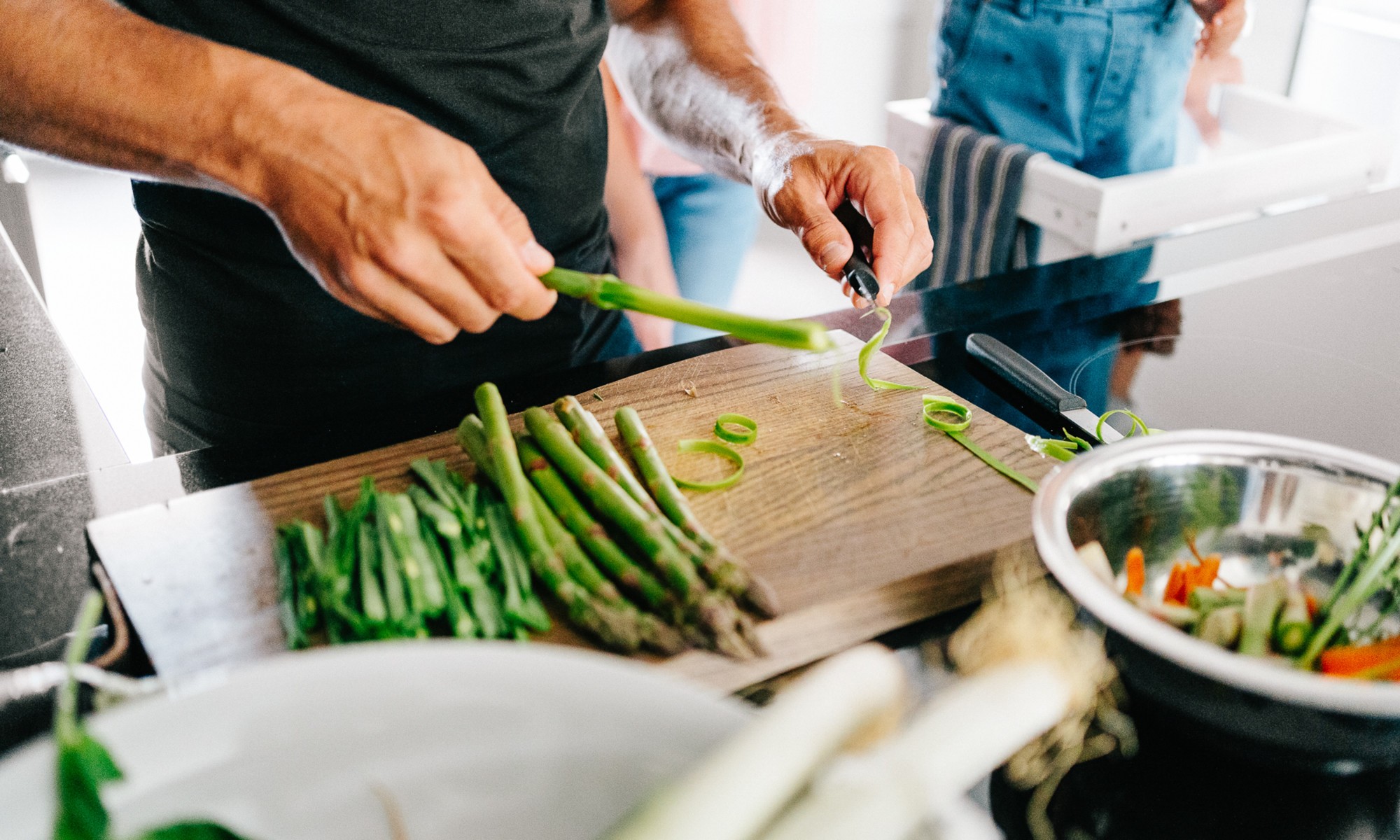
- Are you confident when you’re standing in front of the stove?
These skills add up to food literacy. It’s the ability to take a vague desire for “healthy” and turn it into actual groceries. It’s not just technique. It’s daily decision-making power.
The diabetic advantage
This was the weirdest finding.
People with type 1 diabetes had higher culinary scores than the healthy controls. Specifically in label reading. And recipe modification.
Think about it.
Managing blood glucose requires obsession. You can’t ignore carb counts. You can’t skip the ingredient list. Food isn’t just fuel; it’s data.
For a person with T1D, food literacy isn’t optional. It’s survival.
And that pressure cooker created stronger cooks.
In the T1D group, higher skills meant fewer convenience foods period. For the healthy people? Skills mainly helped them avoid heavy sauces and frying.
Different motivations. Same skills. But the sick got better at navigating the food industrial complex.
Planning is the weak link
Here is where most of us fail.
Across both groups, weekly meal planning scored the lowest.
Why?
Because it’s boring. And easy to skip.
When you don’t plan, the path of least resistance takes over. The fridge is empty. It’s 6 PM. You’re tired. You order what’s fastest. What’s packaged. What’s processed.
Culinary competency happens before you light the gas. It happens in the brain, on paper, or on an app. Knowing what you have. Knowing what you’ll need. Removing the friction.
“Food literacy is the ability to translate good intentions into action.”
Without that bridge, willpower dissolves instantly.
How to build it (without trying to become a chef)
Researchers are pushing “culinary medicine.” Basically, doctors teaching patients how to cook as part of treatment.
It’s working. And it works for poor people. Rich people. Educated folks. Those with less schooling.
If you want to drop UPF intake, stop white-knuckling temptation. Start building systems.
- Plan loosely: Don’t need a rigid schedule. Just know three or four dinners. It stops the “what’s for dinner” panic that leads to takeout.
- Read the fine print: Compare labels of items you already buy. Watch the sugar. Watch the oil lists. Do this once a week until it clicks.
- Modify what you have: Don’t start from scratch. Take a recipe you use often. Add a vegetable. Swap the sauce. Make it work.
That’s it.
The study suggests that skills are protective regardless of your background. You don’t need to be a culinary genius. You just need to know how to navigate the modern food landscape without getting lost.
Willpower runs out of steam by Wednesday.
Literacy sticks around.