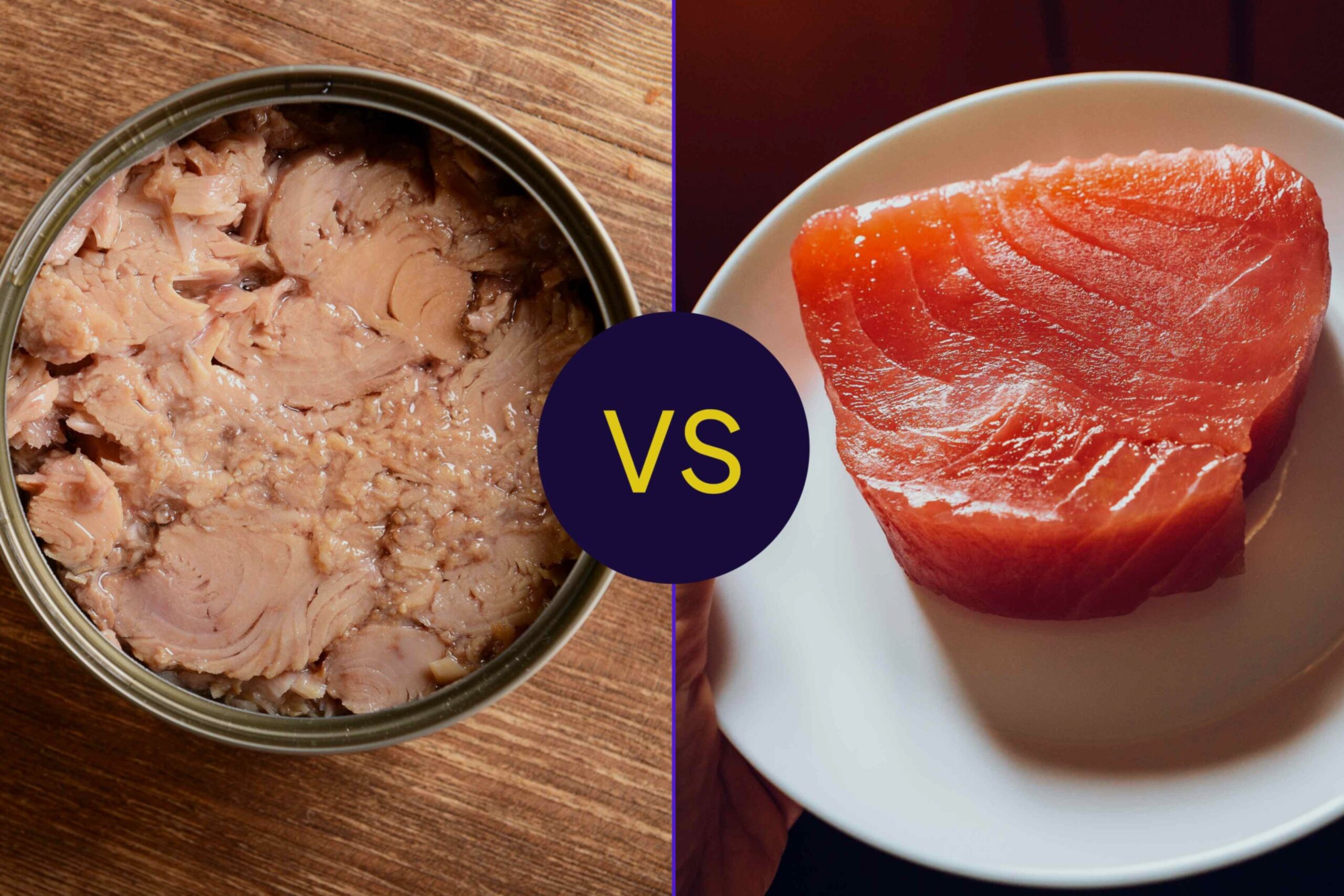
Both fresh and canned tuna deliver essential omega-3 fatty acids and high-quality protein, but understanding the differences can help you maximize nutritional benefits. The choice isn’t just about preference — it’s about how much of the good stuff you’re actually getting.
Omega-3 Powerhouse: Fresh Takes the Lead
Tuna is a notable source of omega-3 fatty acids, which are vital for heart health, brain function, and reducing inflammation. However, not all tuna is created equal. Bluefin tuna, when cooked, boasts an impressive 1,503 milligrams (mg) of EPA + DHA per 3.5-ounce serving. Albacore is also high at 862 mg per can.
Canned light tuna provides 222 mg, making it a more accessible source of omega-3s without the high mercury content associated with larger species. Experts generally recommend 1.1–1.6 grams of omega-3s daily, meaning just two servings of bluefin tuna can meet this requirement. Some studies even suggest that up to 3 grams can help lower blood pressure, but moderation is key.
Protein Content: A Slight Edge for Fresh
Both fresh and canned tuna are excellent protein sources, supporting muscle growth and satiety. Fresh tuna typically contains 28–30 grams of protein per 3.5-ounce serving, slightly surpassing canned tuna’s 19–24 grams. While the difference isn’t drastic, those prioritizing maximum protein intake may lean toward fresh options.
However, canned tuna remains a convenient and affordable way to meet daily protein needs without sacrificing quality. Its accessibility makes it a practical choice for budget-conscious consumers.
Nutritional Breakdown: A Quick Comparison
Here’s a simplified comparison of key nutritional values per 3.5-ounce (100-gram) serving:
| Nutrient | Fresh Tuna (Bluefin) | Canned Albacore (in water) | Canned Light Tuna (in water) |
|---|---|---|---|
| Omega-3s (mg) | 1,503 | 862 | 222 |
| Protein (g) | 29 | 23 | 20 |
Ultimately, both fresh and canned tuna have a place in a balanced diet. Fresh tuna excels in omega-3 content, while canned tuna offers convenience and affordability. Choosing canned light tuna more often can help balance omega-3 intake with lower mercury exposure.