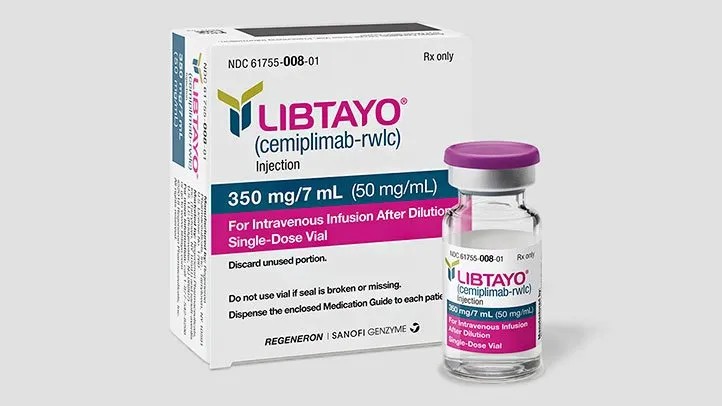
Cemiplimab (Libtayo) is now a first-line treatment for advanced cutaneous squamous cell carcinoma (CSCC), a dangerous form of skin cancer that can spread. The U.S. Food and Drug Administration (FDA) approved this immunotherapy drug for patients who cannot undergo traditional surgery or radiation. This represents a significant step forward in treating a cancer that was once notoriously difficult to manage in its late stages.
How Immunotherapy Fights Cancer
Libtayo belongs to a class of drugs called immune checkpoint inhibitors. These drugs don’t directly kill cancer cells but instead empower the body’s own immune system to recognize and destroy them. Cancer cells often exploit a natural “off switch” on immune cells, preventing attacks. Libtayo blocks this switch, unleashing the immune response against tumors.
Specifically, it targets the PD-1 protein on immune cells. Cancer cells can mimic these proteins to avoid detection. By blocking PD-1, Libtayo removes the disguise, allowing the immune system to fight back. Other similar drugs include nivolumab, pembrolizumab, atezolizumab, avelumab, and durvalumab.
Risks and Side Effects
While effective, Libtayo isn’t without risks. The drug removes natural restraints on the immune system, which can trigger severe inflammation in any organ. The most dangerous side effects include:
- Liver inflammation
- Severe bowel issues (ulcerative colitis)
- Kidney damage
- Hormone imbalances
- Dangerous skin reactions
- Lung inflammation
Patients must immediately report any unusual symptoms like trouble breathing, bloody stool, extreme fatigue, or blistering skin to their doctor. Certain factors can worsen the risk, including underlying autoimmune diseases, alcohol/tobacco use, and concurrent medications (including vaccines). Pregnancy is also a major concern, as the drug may harm the fetus.
What This Means
The approval of Libtayo offers a new lifeline for patients with advanced CSCC who previously had limited treatment options. However, the drug’s effectiveness comes with serious potential side effects that require careful monitoring. Patients must discuss their complete medical history and lifestyle with their healthcare provider before starting treatment.
The rise of immunotherapy in cancer care is reshaping the field. Drugs like Libtayo are not cures but can significantly extend life expectancy for many patients. Continued research will focus on refining these treatments to reduce side effects while maximizing their impact.