The United States has formally exited the World Health Organization (WHO), marking a definitive break after months of escalating tensions and accusations. The Trump administration, now led by a second term, justified the withdrawal by citing alleged failures in the WHO’s handling of the COVID-19 pandemic, claiming the organization obstructed timely information sharing and concealed critical details. However, the WHO swiftly refuted these claims, asserting it acted rapidly, transparently shared data, and provided evidence-based guidance throughout the crisis.
The move underscores a broader pattern of distrust in international institutions under the current administration. This isn’t merely a policy shift, but a signal that the U.S. intends to assert greater control over its public health policies—even at the potential cost of global coordination. The decision was made without congressional debate or public input, raising questions about accountability and transparency in decisions that will affect millions of Americans.
Accusations and Counter-Claims
Key figures within the U.S. Department of Health and Human Services (HHS) have leveled direct criticism at the WHO. Secretary Robert F. Kennedy, Jr., claimed the withdrawal would “reclaim American independence” and prioritize U.S. sovereignty, yet his assertions lacked specific evidence and relied on broad generalizations. Meanwhile, Jim O’Neill, the acting director of the CDC, accused the WHO of ignoring early warnings from Taiwan in 2019 and promoting ineffective lockdowns.
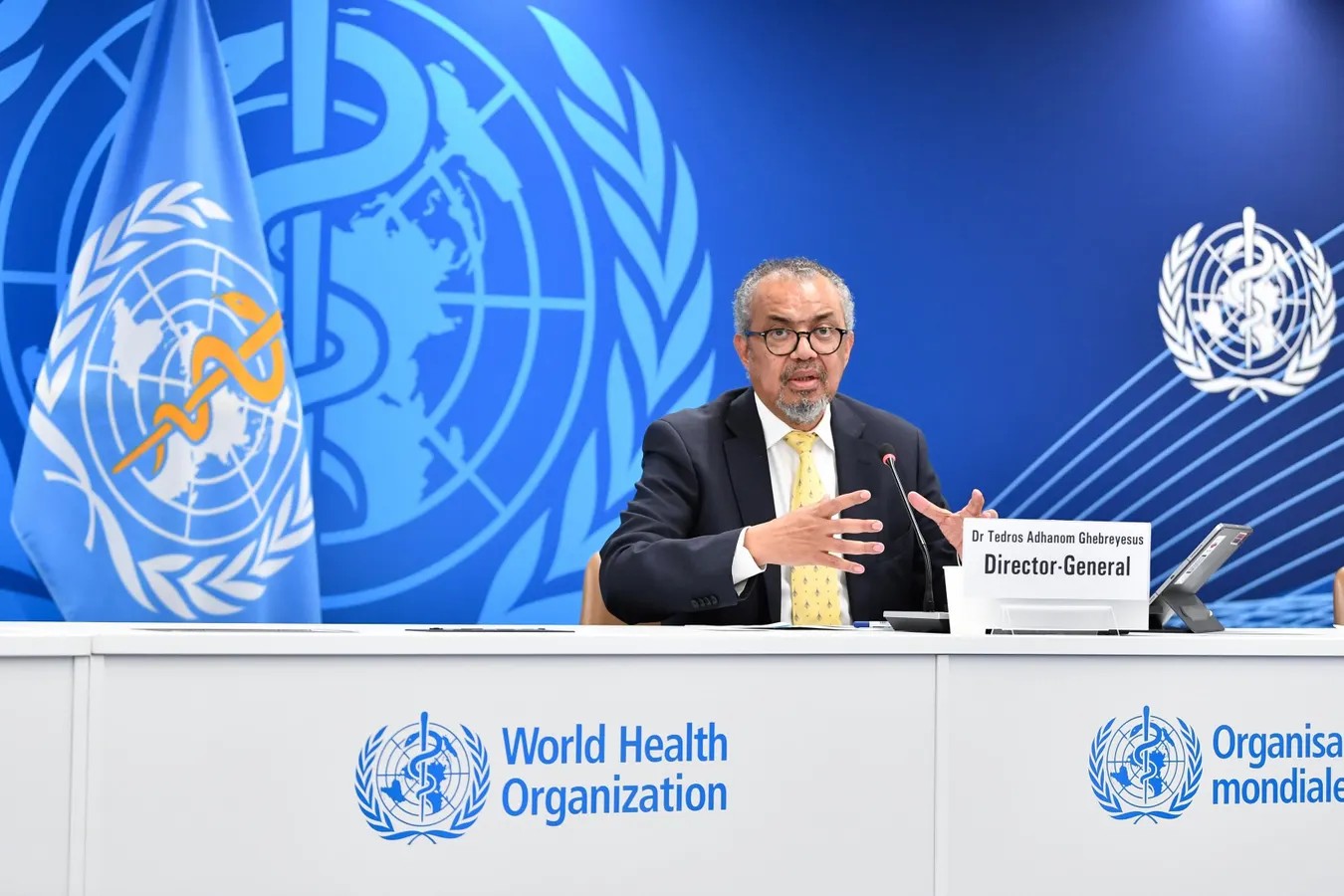
The WHO Director-General, Tedros Adhanom Ghebreyesus, responded forcefully on social media, branding the U.S. claims as “untrue.” He emphasized that the WHO recommended, but never mandated, measures like masking, distancing, or vaccines, leaving policy decisions to individual governments. This highlights a critical point: the U.S. administration’s handling of the pandemic—including initial dismissals, inconsistent messaging, and a delayed testing response—played a significant role in the country’s struggles.
The Broader Implications
The withdrawal from the WHO is not simply about past disputes; it has concrete consequences for future global health security. The organization serves as a vital early warning system for emerging pathogens, providing crucial intelligence that allows nations to prepare for outbreaks. Without U.S. participation, this network becomes weakened, potentially leaving the country vulnerable to future pandemics.
Experts warn that severing ties with the WHO will hinder the U.S.’s ability to respond effectively to health crises. Kelly Henning, MD, of Bloomberg Philanthropies, stressed that the U.S. will miss out on critical dialogue, coordination, and collaboration, making timely protection of American health far more difficult. The decision also undermines decades of joint work between U.S. agencies (CDC, FDA, HHS) and the WHO, jeopardizing established partnerships.
The Trump administration’s insistence on self-reliance in global health is particularly striking given its own failures to establish a robust domestic surveillance system during the COVID-19 pandemic. The U.S. relied on a volunteer-run tracker at Johns Hopkins University for basic case data—a stark contrast to the coordinated, real-time monitoring provided by the WHO. This suggests that the current approach may not only weaken global health security but also leave the U.S. ill-prepared for the next pandemic threat.
Ultimately, the U.S. withdrawal from the WHO is a calculated gamble that prioritizes political objectives over public health. The long-term consequences—including diminished international cooperation, weakened pandemic preparedness, and increased vulnerability to future outbreaks—remain to be seen.