Artificial intelligence is rapidly changing healthcare, but this progress comes with a dark side: increasingly sophisticated scams designed to steal your money, medical data, or both. Scammers are now using deepfake videos, cloned voices, and realistic fake websites to trick people into believing they’re interacting with legitimate healthcare providers. The financial, medical, and emotional risks are real; victims can lose money, have sensitive health information stolen, or even receive harmful or ineffective treatments.
The Growing Problem: These scams erode trust in digital healthcare platforms and providers, making it harder for people to access legitimate care. The rise of AI-powered fraud demands immediate awareness and caution.
Recognize the Red Flags
AI scams rely on urgency, secrecy, and requests for sensitive information. Deepfakes can look convincing, so if something feels off, verify the source directly through official channels. Common signs include:
- Pressure to act immediately or keep the transaction secret.
- Requests for personal, medical, or payment details.
- Promises of “miracle” cures or prescription-free drugs.
- Unusual payment methods like gift cards, cryptocurrency, or wire transfers.
- Videos or voices with unnatural cadence or slight distortions.
- Spelling errors or subtle logo variations.
Protect Your Information
Never share your Social Security number, insurance details, or full medical history through links, messages, or pop-ups. Scammers mimic secure patient portals to collect this data, so if a site or chatbot asks for sensitive information before verifying your identity, stop immediately and contact your provider directly. Legitimate clinics will never request personal data through unsecured channels.
Secure Payment Practices
Avoid wire transfers, prepaid cards, or cryptocurrency for healthcare payments. These methods are hard to trace and reverse, making them favored by scammers. Ensure any site you use is encrypted (look for “https” in the URL) to prevent unauthorized access.
Verify Medical Sources
Before believing any medical claim, confirm the source. Many AI scams borrow logos, names, and likenesses of real doctors to appear legitimate. Visit the provider’s official website to verify contact information, address, and licensing through your state medical board or the Federation of State Medical Boards’ DocInfo tool.
Beware of Fake Endorsements
AI can create fake endorsements that seem real. If you see a doctor or celebrity promoting a product online, confirm the endorsement on their verified accounts. Be skeptical of claims for “miracle” results or quick fixes, hallmarks of deceptive AI medical practices.
Avoid Unverified Online Pharmacies
Fake online pharmacies use AI-generated logos, testimonials, and “FDA-approved” badges to mimic real sites. Scammers exploit demand for drugs like Ozempic and Wegovy by creating counterfeit stores and cloning doctor voices to sell nonexistent products. Only purchase medication from licensed pharmacies listed on your state’s board of pharmacy or BeSafeRx from the FDA. Avoid sites offering prescription drugs without a prescription or promising steep discounts.
Spot Fake Telehealth Platforms
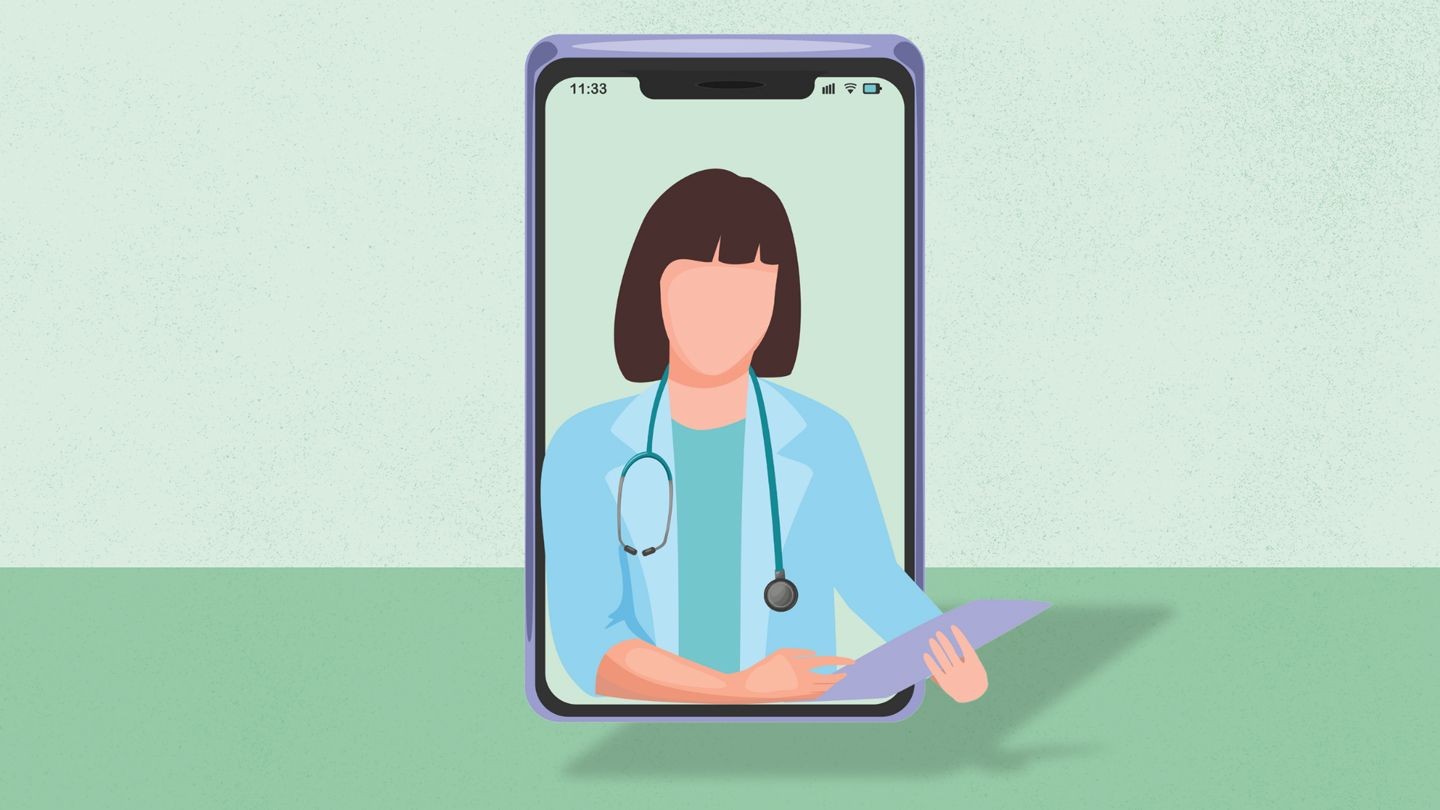
Scammers build convincing telehealth websites that exist solely to collect data. Verify that the web address matches your provider’s official domain, and avoid links shared through social media or email. Check reviews or alerts before engaging.
What To Do If Scammed
If you encounter a suspicious ad, chatbot, or telehealth site, stop interacting immediately. Take screenshots as evidence. Report the scam to the FTC at ReportFraud.ftc.gov and alert the provider if their name or likeness was used. If you shared financial details, contact your bank immediately. If you entered personal or insurance information, visit IdentityTheft.gov to create a recovery plan.
The Bottom Line: AI-powered medical scams are becoming more sophisticated. Approach AI health tools with caution and always verify information with trusted sources and your doctor to protect your privacy, finances, and health.
Editorial Sources:
- Federal Trade Commission (FTC)
- Federal Deposit Insurance Corporation (FDIC)
- U.S. Food & Drug Administration (FDA)
- Federation of State Medical Boards (DocInfo)