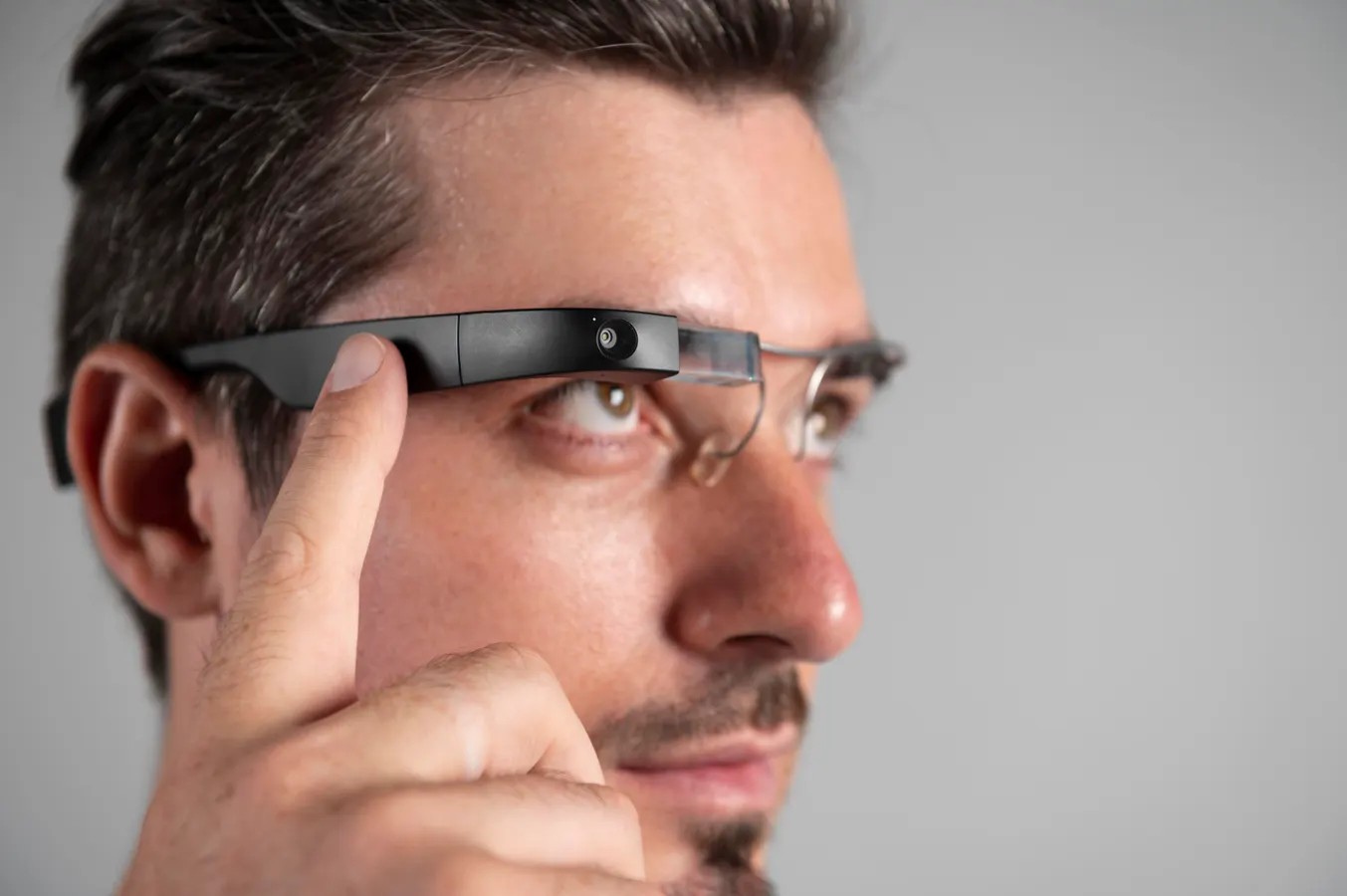
Smart glasses are rapidly evolving from a futuristic concept into a practical tool, much like the smartphone revolutionized communication. These devices are no longer just about enhancing vision; they’re about reshaping how individuals with blindness or low vision navigate and interact with the world. This isn’t simply about convenience; it’s about restoring independence, confidence, and choice in daily life.
The Current Landscape: Beyond Traditional Aids
For decades, vision rehabilitation has relied on magnifiers, specialized lighting, white canes, braille, and orientation training. These methods remain crucial and effective, but they primarily focus on maximizing remaining vision or teaching non-visual navigation. Smart glasses represent a fundamentally different approach. Instead of replacing existing tools, they add a new layer of digital information to the user’s experience.
This shift mirrors how smartphones integrated navigation, messaging, and media into everyday life. Prior to these devices, technology for low-vision users was largely confined to screen readers on computers and smartphones, which excel with digital content but struggle with dynamic, physical environments. Now, smart glasses combine cameras, microphones, speakers, and AI to interpret visual information in real time, converting it into sensory feedback through sound or vibration.
Real-World Performance and Emerging Technologies
Clinical studies are beginning to validate the effectiveness of smart glasses in real-world tasks. Early findings suggest that these devices can make everyday activities easier, particularly when used alongside existing mobility aids. Text-reading functions and improved environmental awareness are proving to be significant benefits.
However, the most exciting developments are happening with companion wearables. Haptic wristbands, for example, are being designed to translate nonverbal social cues—facial expressions and gestures—into distinct vibration patterns. This fills a critical gap for blind and low-vision users, providing insights into social interactions that were previously inaccessible. Imagine understanding whether someone is smiling, frowning, or confused through subtle vibrations on your wrist.
Challenges and Future Trajectory
Despite the progress, challenges remain. Current studies often involve small, tech-savvy participant groups, making it difficult to predict widespread adoption. Battery life is also a concern, as continuous camera and AI processing drains power quickly. Navigation remains particularly difficult; detecting obstacles is one step, but translating that into smooth movement in a crowded environment is another.
These obstacles are not insurmountable. The trajectory suggests that smart glasses and related wearables could redefine independence for millions. Future iterations may integrate directly with existing mobility tools or even explore brain-machine interfaces. The real impact will likely come from how these tools collectively reshape daily life, offering seamless scene descriptions, social cue interpretation, and a more intuitive understanding of the environment.
The evolution of smart glasses isn’t about a single feature; it’s about a fundamental shift in what’s possible for those who cannot rely on sight.