Ableism – the belief that people with disabilities are inherently less capable or valuable – is woven into the fabric of our society, often without conscious recognition. It’s not just about overt discrimination, but also subtle biases in language, assumptions, and systemic structures. This pervasive mindset treats non-disabled experiences as the default, marginalizing anyone who deviates. Recognizing this is the first step toward creating truly equitable spaces.
The Two Sides of Ableism
Ableism manifests in two key ways: individual bias – everyday assumptions and harmful language – and systemic oppression – embedded in policies, environments, and cultural norms. The latter is particularly insidious because it often operates invisibly, reinforcing exclusion without malice. For example, a workplace with rigid attendance policies disproportionately impacts those with chronic conditions, even if no one intends to discriminate.
How Ableism Shows Up in Daily Life
The effects of ableism are widespread:
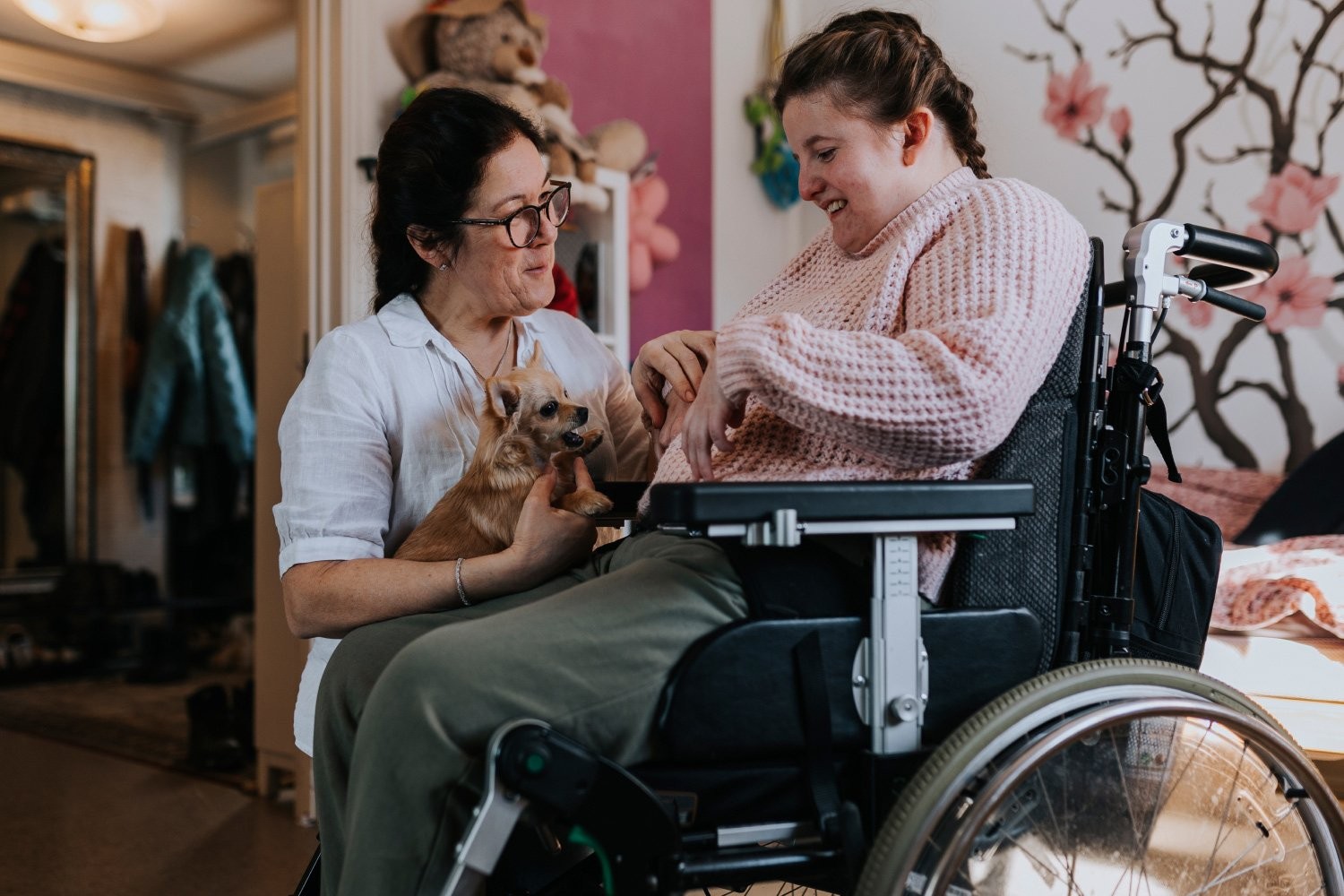
- Assumptions of Inability : Offering help without asking, moving someone’s wheelchair without consent. These actions strip agency.
- Inaccessible Environments : Buildings without ramps, websites without captions, events lacking quiet spaces – these actively exclude.
- Harmful Language : Using terms like “crazy,” “lame,” or “blind to the truth” reinforces negative stereotypes.
- Inspiration Porn : Framing disabled people as “inspiring” for simply existing reinforces othering.
- Dismissing Invisible Disabilities : Doubting someone’s needs because their condition isn’t visible.
- Exclusionary Policies : Rigid rules, inflexible designs, and inaccessible spaces quietly communicate who belongs.
- Tokenism : Adding one disabled person to a team without real power is performative, not inclusive.
Becoming a Better Ally: Practical Steps
True allyship is an ongoing process. Here’s how to move from awareness to action:
- Listen First : Center the voices of disabled people by reading their work, following their advocacy, and engaging with their perspectives.
- Respectful Language : Avoid outdated or harmful phrasing (“suffers from,” “confined to”). Use person-first or identity-first language based on individual preference.
- Ask Before Acting : Offer help only when requested, respecting autonomy. Include disabled people in accessibility decisions.
- Accessibility as Standard : Treat accessibility as essential, not optional. Use captions, ramps, and inclusive design by default.
- Believe Invisible Needs : Trust people when they share their experiences, regardless of visibility.
- Challenge Ableist Systems : Advocate for audits, flexible policies, and diverse hiring practices.
- Humility in Correction : Accept feedback gracefully and learn from mistakes.
- Continuous Inclusion : Regularly ask, “Who’s missing?” and make ongoing adjustments to improve inclusivity.
The Bigger Picture
Ableism isn’t just a collection of individual errors; it’s a systemic issue deeply embedded in how society values and treats difference. Addressing it requires dismantling ingrained biases and prioritizing accessibility as a core principle. Failing to do so not only harms individuals but also limits innovation, creativity, and the full potential of human diversity.
Real inclusion is not a checklist of accommodations; it’s a fundamental shift in mindset. By acknowledging ableism and actively working against it, we can build a world where everyone has the opportunity to thrive.