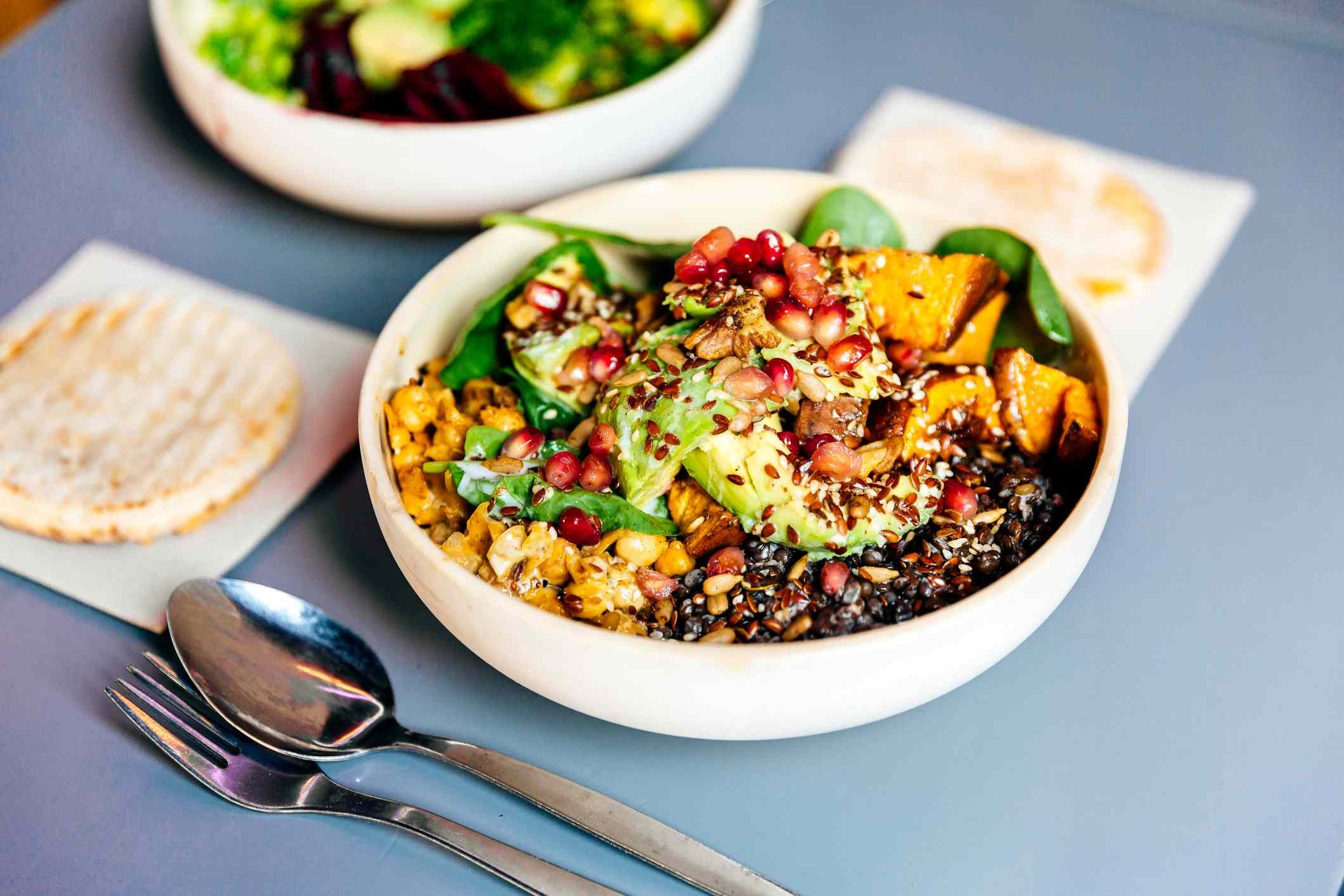
Switching to a plant-based diet, even temporarily, triggers noticeable changes in the body. These aren’t just about weight loss or feeling “cleaner”—they impact heart health, digestion, blood sugar, and nutrient levels in ways many people don’t realize.
How Your Heart Reacts
Plant-based foods are inherently lower in the things that harm the heart: saturated fat, cholesterol, and sodium. They’re packed with fiber, antioxidants, and potassium instead. This combination directly supports healthy blood pressure, cholesterol levels, and overall cardiovascular function. Research consistently shows that people eating more plants have a lower risk of both developing and dying from heart disease.
The Gut Microbiome Shift
Meat, particularly processed red meat, can disrupt the balance of bacteria in your gut. A less diverse microbiome means poorer digestion, reduced nutrient absorption, and irregular bowel movements. Conversely, plant-based diets increase fiber intake. Fiber adds bulk to stool, softens it, and feeds beneficial gut bacteria. Studies link high red meat consumption to increased risks of colorectal and colon cancer.
Blood Sugar Stabilization
Fiber-rich plant-based diets help regulate blood sugar and improve insulin sensitivity. The key here is quality : swapping meat for ultra-processed plant foods or sugary alternatives won’t yield the same benefits. Whole, unprocessed plant foods are essential for optimizing blood sugar control.
Weight Management: It’s Not Just Calories
A plant-based approach can aid weight loss by reducing overall calorie intake and improving gut health, blood sugar, and lipid profiles. However, not all plant foods are created equal. Fries, refined grains, and sugary treats can contribute to weight gain just as easily as meat. Focus on whole plant foods for sustainable results.
Protein Intake: A Common Concern
Protein is critical for hormone production, tissue repair, muscle building, and immune function. While plant-based diets tend to have lower protein intake than meat-heavy diets, it’s still achievable within recommended levels. Whole grains, beans, legumes, nuts, and seeds are excellent sources. Dairy and eggs also offer high-quality protein for those who aren’t strictly vegan.
Nutrient Deficiencies: The Hidden Risk
Some nutrients are more bioavailable in animal products: vitamin B12, vitamin D, iron, zinc, iodine, calcium, and omega-3 fatty acids. Cutting out meat without careful planning can lead to deficiencies. Supplementation or conscious food choices (like fortified plant milks or algae-based omega-3s) are crucial.
Planning a Healthy Meatless Diet
A meatless diet is not automatically healthy. Plant-based foods can still be high in calories, saturated fat, and sodium. To maximize benefits, prioritize whole, unprocessed plant foods over refined alternatives.
The most significant change you’ll see isn’t just physical. The gut microbiome is a major factor in how the body reacts to dietary shifts. Ignoring it means missing out on critical benefits and potentially worsening health.