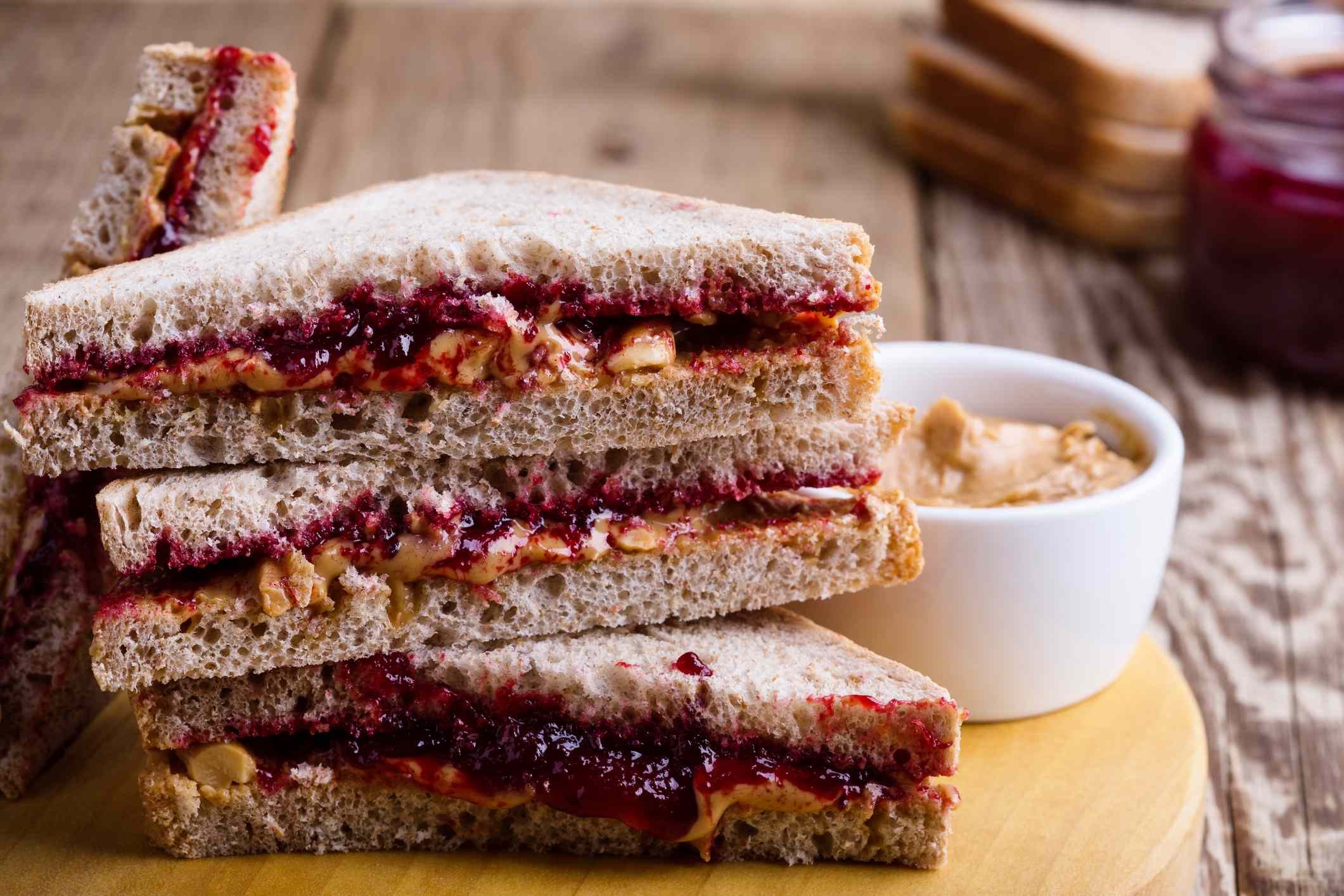
The classic peanut butter and jelly (PB&J) sandwich is a comfort food staple, but its impact on your blood sugar can be surprisingly significant. While it provides some nutrients, the combination of sugars and refined carbohydrates can lead to spikes in glucose levels. Here’s a breakdown of what happens when you eat a PB&J, and how to make one that won’t wreck your energy or long-term health.
How PB&J Affects Your Blood Sugar: A Chemical Breakdown
Peanut butter and jelly have drastically different effects on blood sugar when consumed alone. Peanut butter, especially the natural, unsweetened kind, has a minimal impact due to its fat, fiber, and protein content – all of which slow sugar absorption. Studies confirm this; pairing peanut butter with carbs can reduce post-meal blood sugar spikes compared to carbs alone.
However, jelly is a different story. A single tablespoon often contains around 10 grams of added sugar, meaning even a modest PB&J can deliver five teaspoons of pure sugar in one sitting. This rapid sugar influx overwhelms the body’s regulatory systems, leading to an energy surge followed by a crash. Frequent consumption can contribute to insulin resistance, weight gain, and an increased risk of type 2 diabetes.
The pairing doesn’t completely neutralize the sugar. A PB&J made with refined white bread still triggers a fast blood sugar rise.
Ingredient-by-Ingredient Impact
The blood sugar response varies based on what goes into the sandwich.
Bread: The Foundation of the Spike
- White bread: Digests quickly, causing a sharp blood glucose surge. It’s essentially pure fuel for a rapid spike.
- Whole-grain bread: Higher fiber content slows absorption, making it a better choice. Still, it’s not a perfect solution.
- Low-carb, high-fiber bread: Keto-friendly options with minimal net carbs and high fiber are best for blood sugar control. These options are designed to minimize the impact on glucose levels.
Peanut Butter: The Protein & Fat Buffer
- Natural, no-sugar-added peanut butter: A good source of protein and fiber, slowing sugar absorption. Opt for this whenever possible.
- Sweetened peanut butter: Products with added sugars (like honey-roasted) negate some of the benefits, turning a healthy fat into a less ideal choice.
Jelly: The Pure Sugar Bomb
- Conventional jelly: Packed with added sugars – often more than 10 grams per tablespoon. Avoid if you’re watching your blood sugar.
- Fruit-only spreads: Better than conventional jelly, but still high in natural sugars. They’re a slight improvement, not a fix.
- Fresh fruit/high-fiber jam: Mashed fresh fruit or chia seed jam are the best options. The fiber slows sugar absorption, making them far more blood-sugar-friendly.
The Nutritional Breakdown of a Typical PB&J
A standard PB&J (two slices of white bread, 2 tbsp peanut butter, 2 tbsp strawberry jelly) contains:
- Calories: 380.8
- Carbs: 53.8 grams
- Fiber: 3.24 grams
- Total sugar: 25.92 grams
- Added sugar: 10 grams
- Protein: 14.14 grams
- Fat: 17 grams
The high carb and sugar load overwhelms the protein and fat content, making this a recipe for a blood sugar spike.
Building a Blood Sugar-Friendly PB&J
You can enjoy a PB&J without the crash. Here’s how:
- Choose high-fiber bread: At least 2 grams of fiber per slice.
- Go natural with peanut butter: Just peanuts and salt.
- Swap jelly for low-sugar options: Chia seed jam or mashed berries are ideal.
- Reduce carb load: Open-faced sandwiches cut carbs by roughly 13 grams.
- Add protein or fiber: Pair with a hard-boiled egg, raw veggies and hummus, or mix collagen peptides into your peanut butter.
Consuming a PB&J doesn’t have to mean a blood sugar rollercoaster. By making smart ingredient choices, you can enjoy this childhood favorite without the detrimental health effects.
The goal is to balance sugar intake with fiber, protein, and healthy fats. These modifications ensure that the sandwich becomes a sustainable energy source rather than a short-lived sugar rush.