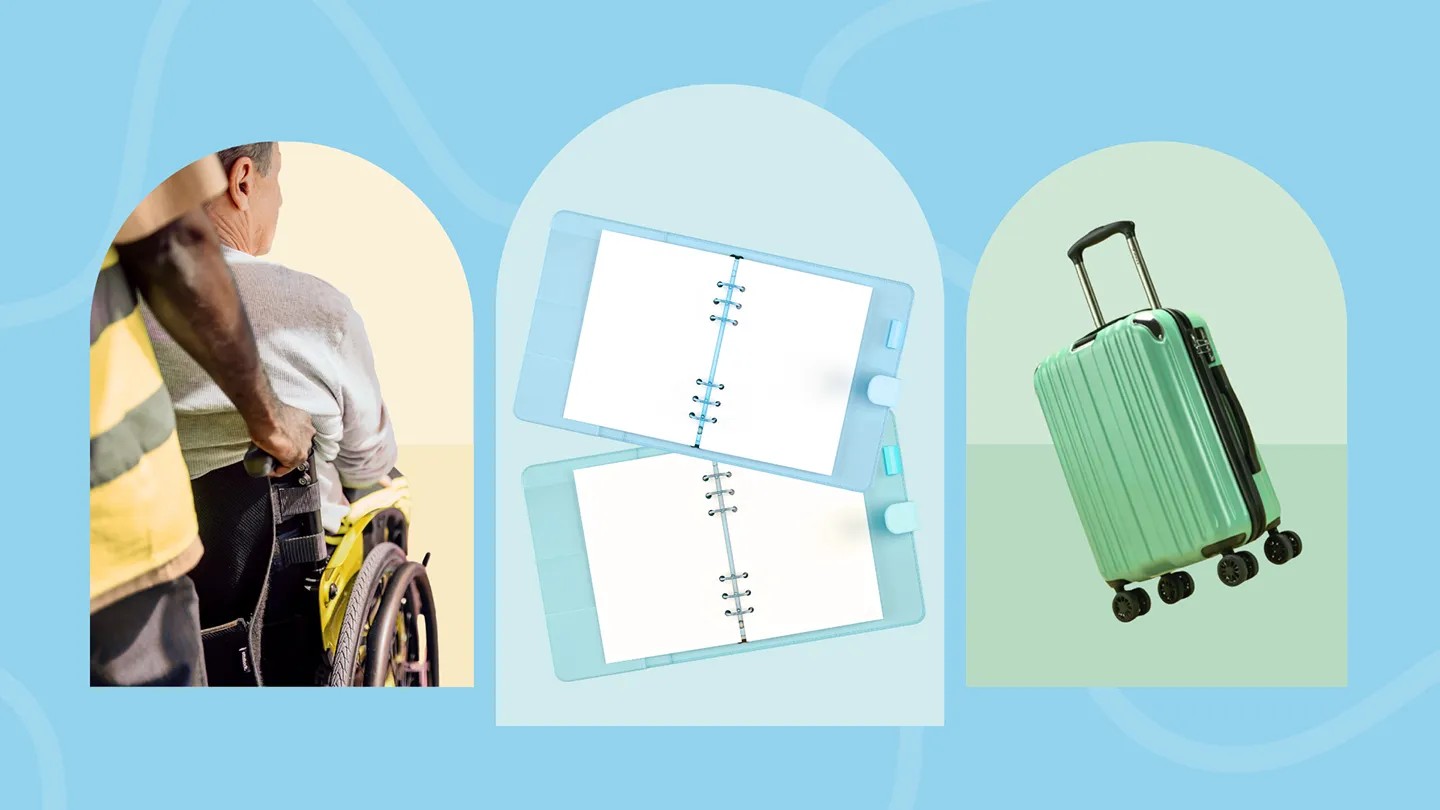
Traveling with multiple sclerosis (MS) presents unique challenges, but it’s entirely possible with careful planning and self-awareness. The biggest misconception is thinking it’s impossible; instead, focus on what makes travel difficult, and then find solutions.
Understanding the Barriers
MS affects individuals differently, so there’s no universal strategy. However, common hurdles include fatigue, mobility limitations, heat sensitivity, and bladder dysfunction. Addressing these one by one is the most effective approach.
Fatigue Management: MS-related fatigue is often the primary concern. Pacing is critical. Recognize your energy limits and schedule frequent breaks. The same energy-saving tactics you use at home – resting when needed, avoiding overexertion – apply when traveling.
Mobility Considerations: If walking long distances or navigating stairs is challenging, don’t hesitate to request assistance. Airport wheelchair services or luggage carts can conserve energy for activities you enjoy.
Environmental Factors
Heat Sensitivity: Heat exacerbates MS symptoms in many people. Layered clothing and cooling tools (vests, towels, personal fans) can mitigate this. Choose travel destinations and seasons with moderate temperatures whenever possible.
Bladder Dysfunction: Knowing the location of accessible restrooms is crucial. Prioritize destinations with readily available facilities, and use bathrooms whenever you’re near one – uncertainty adds unnecessary stress.
Strategic Planning
Choosing the right destination and timing is key. A relaxed resort stay will be less demanding than a rigorous backpacking trip. Traveling during cooler months or quieter seasons can also improve comfort for those sensitive to heat.
Accommodation: Before arriving, inquire about accessibility features: elevators, step-free entry, bathroom layouts, and refrigeration for medications. Don’t hesitate to ask; most hotels and rentals are prepared to accommodate requests.
Travel Companions: Decide whether traveling solo or with others is best. If going alone, ensure you have backup plans for assistance. With companions, clearly communicate your needs and boundaries.
Logistics and Essentials
Packing: Use lightweight rolling luggage. Keep medications in your carry-on, especially refrigerated items. Pack comfortable shoes, layered clothing, and cooling tools. If vision changes are common, bring a spare pair of glasses.
Rest and Flexibility: Build rest breaks into your itinerary. Prioritize one main activity per day and allow downtime. Don’t overschedule; spontaneity is great, but exhaustion isn’t.
Final Thoughts
Traveling with MS requires proactive planning, not avoidance. By understanding your limitations, adapting strategies, and communicating needs effectively, you can enjoy meaningful travel experiences. The key is to view obstacles as solvable problems, not insurmountable barriers.