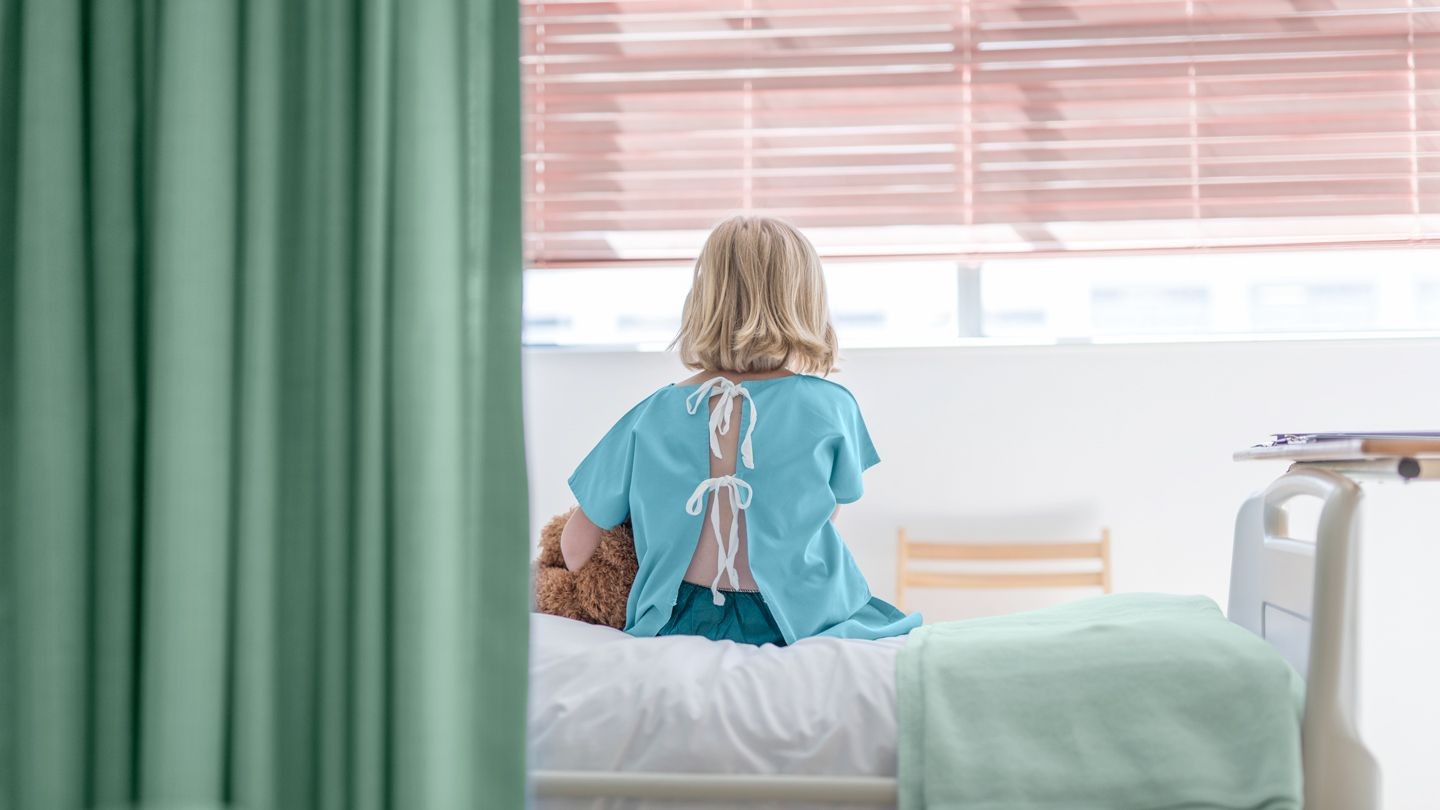
A pediatric low-grade glioma (pLGG) diagnosis is undoubtedly stressful for families. Often, the first step in treatment involves a hospital stay for diagnosis, surgery, or initial planning. This can be overwhelming, with a lot of new information and uncertainty. Knowing what to expect beforehand can make a significant difference in how you and your child cope.
Understanding the Hospital Experience
The initial hospital visit usually involves a biopsy or tumor removal, followed by discussions with doctors about next steps. While most treatment continues on an outpatient basis, that first stay can be particularly challenging. Families are often bombarded with complex medical details and difficult decisions, all while adjusting to a life-altering diagnosis.
Why this matters: pLGG is a rare form of brain tumor affecting children. Early, informed preparation can reduce parental anxiety and improve the child’s comfort during treatment.
What to Expect During Admission
Before your child’s stay, clarify the daily routines with the hospital staff: doctor’s rounds, sleeping arrangements for parents, and visitation policies. Many hospitals have child life specialists who provide emotional and practical support. Hospital stays typically last two to five days, but timelines can vary depending on complications or treatment schedules.
Key questions to ask:
– What are the daily routines?
– Who can visit and at what times?
– Is a child life specialist available?
– What is the estimated length of the stay?
Talking to Your Child
Explain the hospital stay in age-appropriate terms. Younger children need simple explanations, while teenagers may benefit from more detailed discussions. Encourage older children to ask questions. The care team, especially the child life specialist, can offer advice on how to communicate effectively.
Practical Preparations
Life doesn’t stop during a hospital stay. Arrange for childcare, pet care, school transportation, and any other responsibilities you need to delegate. Overestimate the length of the stay to avoid last-minute stress. Plan for at least three to five extra days beyond the initial estimate.
Packing Essentials
Pack like you would for any trip, but prioritize comfort and familiarity. For your child, bring:
- Medications and medical records
- Favorite blankets, pillows, and stuffed animals
- Entertainment (books, tablets, games)
- Family photos
- Loose-fitting clothes and comfortable footwear
- A preferred water bottle and snacks
For yourself:
- Comfortable clothes and toiletries
- Coffee, tea, or snacks
- Earplugs or an eye mask
- Phone and laptop chargers
- Medical leave paperwork (if applicable)
- A notebook to track healthcare provider names, information, and questions.
Leave valuables at home. Label everything clearly to avoid mix-ups.
Managing Stress and Seeking Support
Hospital stays are emotionally taxing. Remember to take care of yourself as well as your child. Lean on the healthcare team, ask questions, and don’t hesitate to request support.
A well-prepared parent is a more confident and effective advocate for their child.
Ultimately, navigating a pLGG diagnosis requires proactive planning, clear communication, and a focus on both your child’s and your own well-being.