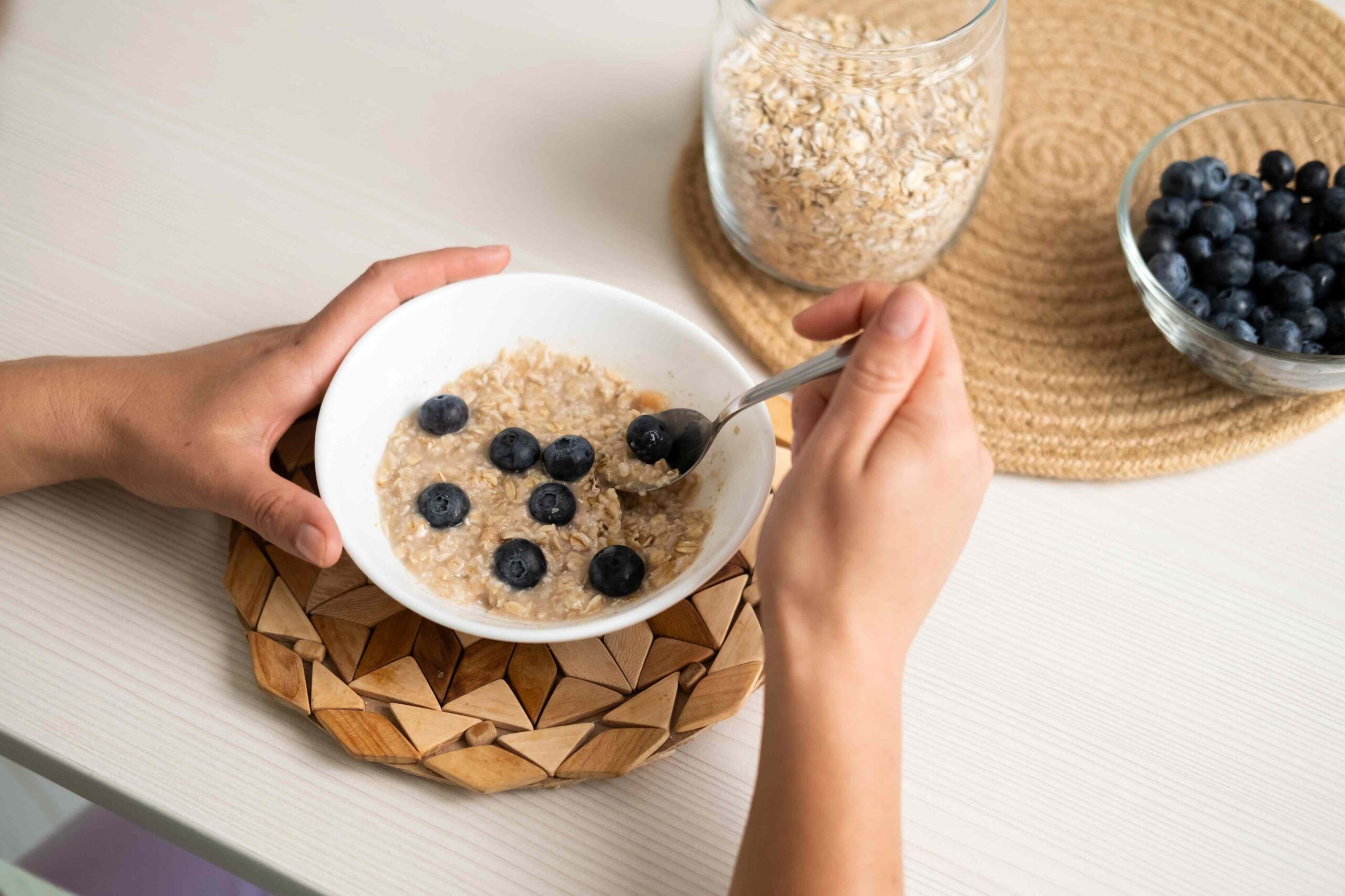
Oatmeal is a highly nutritious food with broad benefits for weight management, digestion, blood sugar control, and cholesterol levels. While it can be enjoyed at any time, when you eat oatmeal can affect how effectively it supports your health goals. This guide breaks down the best times to eat oatmeal based on your priorities.
Digestion: When to Eat for Smooth Function
Oatmeal is excellent for digestion at any time of day due to its high fiber content. Fiber adds bulk to stool, preventing constipation and easing bowel movements. The soluble fiber in oats absorbs water, softening stool, while beta-glucan acts as a prebiotic, nurturing beneficial gut bacteria.
If you experience bloating or gas from high-fiber foods, eating oatmeal earlier in the day may be more comfortable, as digestive speed slows overnight.
Weight Loss: Oatmeal as a Breakfast Powerhouse
For weight loss, starting your day with oatmeal is most effective. The fiber slows digestion, keeping you fuller for longer and reducing overall calorie intake. Beta-glucan forms a gel-like substance in the stomach, further suppressing appetite.
Studies confirm this: people who eat oatmeal for breakfast report greater fullness and consume fewer calories at later meals. This suggests that oatmeal is most effective when eaten first thing.
Blood Sugar Control: Morning Oatmeal for Stable Levels
Oatmeal is ideal for blood sugar control, especially when eaten in the morning. The beta-glucan fiber slows carbohydrate absorption, preventing rapid blood sugar spikes and improving insulin sensitivity.
Research shows this benefit extends beyond breakfast: eating oatmeal earlier can improve your body’s response to carbs in subsequent meals—a phenomenon known as the “second meal effect.” This means a fiber-rich oatmeal breakfast can lead to lower glucose levels and better insulin response at lunch.
Cholesterol Reduction: Consistency is Key
There is no single best time to eat oatmeal for lowering cholesterol. The crucial factor is consistent consumption. Oatmeal’s soluble fiber binds to cholesterol-rich bile acids, leading to their elimination and prompting the liver to pull cholesterol from the bloodstream. This process lowers LDL (“bad”) cholesterol, boosting heart health.
In conclusion, while oatmeal is versatile, consuming it in the morning maximizes its impact on weight loss and blood sugar control. For digestion, any time is good, but earlier might be easier on the gut. For cholesterol, consistency is the only rule that matters.